The world of power tools can be confusing, especially when you’re trying to pick the right one for your jobs. You might have heard terms like impact driver and brushless impact driver thrown around. What’s the real difference? Are they the same thing? Understanding this distinction is key to choosing a tool that fits your needs, whether you’re a DIY enthusiast or a seasoned professional.
An impact driver is a powerful tool designed for driving screws and bolts with high torque. It uses rotational impacts to deliver a lot of turning force. A brushless impact driver is a specific type of impact driver that uses a more advanced motor technology. This technology makes it more efficient, powerful, and longer-lasting than traditional brushed motors. This article will break down what makes each type tick, their advantages, disadvantages, and how to choose the best one for your projects.
What Is An Impact Driver?
At its core, an impact driver is a specialized tool for fastening. Unlike a drill, which primarily spins, an impact driver delivers a powerful rotational impact when it senses resistance. Imagine a hammer hitting a wrench to tighten a stubborn bolt, that’s the basic principle, but applied with controlled rotational force. This mechanism makes it incredibly effective for tasks that require a lot of torque, like driving long screws into hardwood, loosening rusted bolts, or quickly fastening many fasteners.
The main components of a standard impact driver include:
- Motor: This powers the tool. In brushed models, it uses carbon brushes to conduct electricity.
- Chuck: This is where you insert the driver bits. Impact drivers typically have a 1/4-inch hex chuck designed for quick bit changes.
- Gearbox: This transfers the motor’s power to the anvil mechanism.
- Anvil/Hammer Mechanism: This is the heart of the impact driver. When the trigger is pulled, the motor spins a hammer. When resistance is met, the hammer is released and strikes an anvil, delivering a powerful rotational burst of torque. This happens very rapidly, creating the characteristic “hammering” sound.
- Trigger: Controls the speed and power.
- Battery: Powers the tool.
The primary advantage of an impact driver over a standard drill/driver is its high torque output and the controlled impact action. This action significantly reduces the strain on your wrist, as the tool absorbs much of the shock that would otherwise be transferred to you. It also prevents cam-out, where the driver bit slips out of the screw head, damaging both the screw and the bit.
The Technology Behind Brushless Motors
The term “brushless” refers to a significant advancement in electric motor technology. Traditional electric motors, often called brushed motors, use physical carbon brushes to transfer electrical current from the power source to the rotating armature. These brushes are essential for the motor to function, but they have some drawbacks.
Here’s how brushed motors work:
- Electricity flows through the brushes.
- The brushes make contact with a spinning part called the commutator on the armature.
- This contact directs the electrical current to electromagnets on the armature, causing it to spin.
- As the armature spins, the brushes move across different segments of the commutator, reversing the current direction to keep the motor spinning continuously.
The main issues with brushed motors are:
- Friction and Wear: The constant rubbing of brushes against the commutator creates friction, generating heat and wearing down the brushes over time. This means brushes eventually need to be replaced, and they can be a point of failure.
- Inefficiency: The friction and electrical resistance from the brushes lead to energy loss, meaning less power from the battery makes it to the output shaft.
- Heat Generation: Friction and electrical resistance produce heat, which can shorten the lifespan of the motor and other components.
- Maintenance: Brushes need periodic inspection and replacement.
Brushless motors, on the other hand, eliminate the need for these physical brushes. Instead, they use electronic commutation. This means the switching of electrical current to the motor’s electromagnets is controlled by an electronic circuit board (a controller) rather than mechanical brushes.
Here’s a simplified look at how brushless motors operate:
- Permanent Magnets: The motor rotor has powerful permanent magnets.
- Electromagnets on Stator: The motor housing (stator) contains electromagnets.
- Electronic Controller: A sophisticated electronic controller monitors the rotor’s position and precisely switches the power to the stator electromagnets.
- Attraction and Repulsion: By rapidly energizing and de-energizing the stator electromagnets in the correct sequence, the controller creates a rotating magnetic field that attracts and repels the rotor’s permanent magnets, causing it to spin.
This electronic control system offers several significant advantages over brushed motors.
Credit: www.lowes.com
Brushless Impact Drivers: The Modern Choice
A brushless impact driver is an impact driver that utilizes a brushless motor. This technological upgrade brings a host of benefits that make them superior to their brushed counterparts in most applications. The core function of delivering rotational impacts remains the same, but the way the motor achieves this is far more advanced.
The key advantages of brushless impact drivers include:
- Increased Power and Torque: Brushless motors are generally more efficient, meaning more of the battery’s energy is converted into rotational force. This translates to higher torque output, allowing them to drive fasteners more effectively and handle tougher jobs.
- Longer Runtime per Charge: Because they are more efficient and generate less wasted heat, brushless motors consume less power from the battery. This means you can get significantly more work done on a single battery charge compared to a brushed tool of similar size and voltage. In my experience, the difference in runtime can be as much as 30-50%.
- Extended Tool Life: Without physical brushes to wear down and create friction, brushless motors have fewer parts that can fail. This leads to a longer operational lifespan for the tool itself. The electronic controller also manages motor speed and load more effectively, preventing overheating and over-stressing.
- More Compact and Lighter Design: By eliminating the bulky brush assembly and commutator, brushless motors can often be made smaller and lighter. This allows manufacturers to create more compact impact drivers that are easier to handle in tight spaces and reduce user fatigue during prolonged use.
- Better Speed and Torque Control: The electronic controller in a brushless motor allows for more precise management of speed and torque. Many brushless impact drivers feature variable speed triggers and multiple speed/torque settings, giving users finer control for different materials and fastener types. Some even offer specialized modes for specific tasks.
- Reduced Maintenance: Since there are no brushes to replace, brushless impact drivers require virtually no maintenance related to the motor’s electrical components.
While the advantages are clear, it’s also important to note a potential downside: cost. Brushless impact drivers are typically more expensive upfront than their brushed counterparts due to the advanced motor technology and electronic controllers. However, many users find that the increased performance, longer lifespan, and reduced maintenance make them a worthwhile investment over time.
Brushed Impact Drivers: The Traditional Workhorse
Brushed impact drivers represent the traditional technology in impact drivers. They have been the go-to choice for many years and are still capable of performing a wide range of tasks effectively. These tools rely on the physical contact of carbon brushes to operate their motors.
Here’s a breakdown of the characteristics of brushed impact drivers:
- Simpler Design: The motor technology is less complex than brushless systems, which can sometimes translate to a lower manufacturing cost.
- Lower Initial Cost: Generally, brushed impact drivers are more affordable to purchase than brushless models. This can make them an attractive option for budget-conscious buyers or those who don’t use their tools frequently.
- Adequate Performance for Many Tasks: For general DIY projects, occasional use, or less demanding tasks, a brushed impact driver can provide sufficient power and performance. They are still very effective at driving screws and bolts.
- Easier to Repair (in some cases): While brushes wear out, they are often a relatively simple and inexpensive part to replace. In some older or simpler designs, a basic motor repair might be more accessible to a user with some mechanical knowledge.
- Generates More Heat: Due to friction and electrical resistance from the brushes, brushed motors tend to generate more heat during operation. This can lead to reduced performance during extended use and potentially shorten the tool’s lifespan if not managed.
- Less Efficient: A portion of the battery’s power is lost as heat and friction due to the brushes. This means they typically offer less runtime per charge compared to brushless models.
- Brush Wear and Maintenance: The carbon brushes will wear down over time and will eventually need to be replaced. This is a maintenance task that brushed tool owners need to be aware of. If the brushes wear down completely, the tool will stop working.
Despite their limitations, brushed impact drivers are still a viable option for many users. They offer a good entry point into the world of impact drivers without the higher price tag of brushless technology.
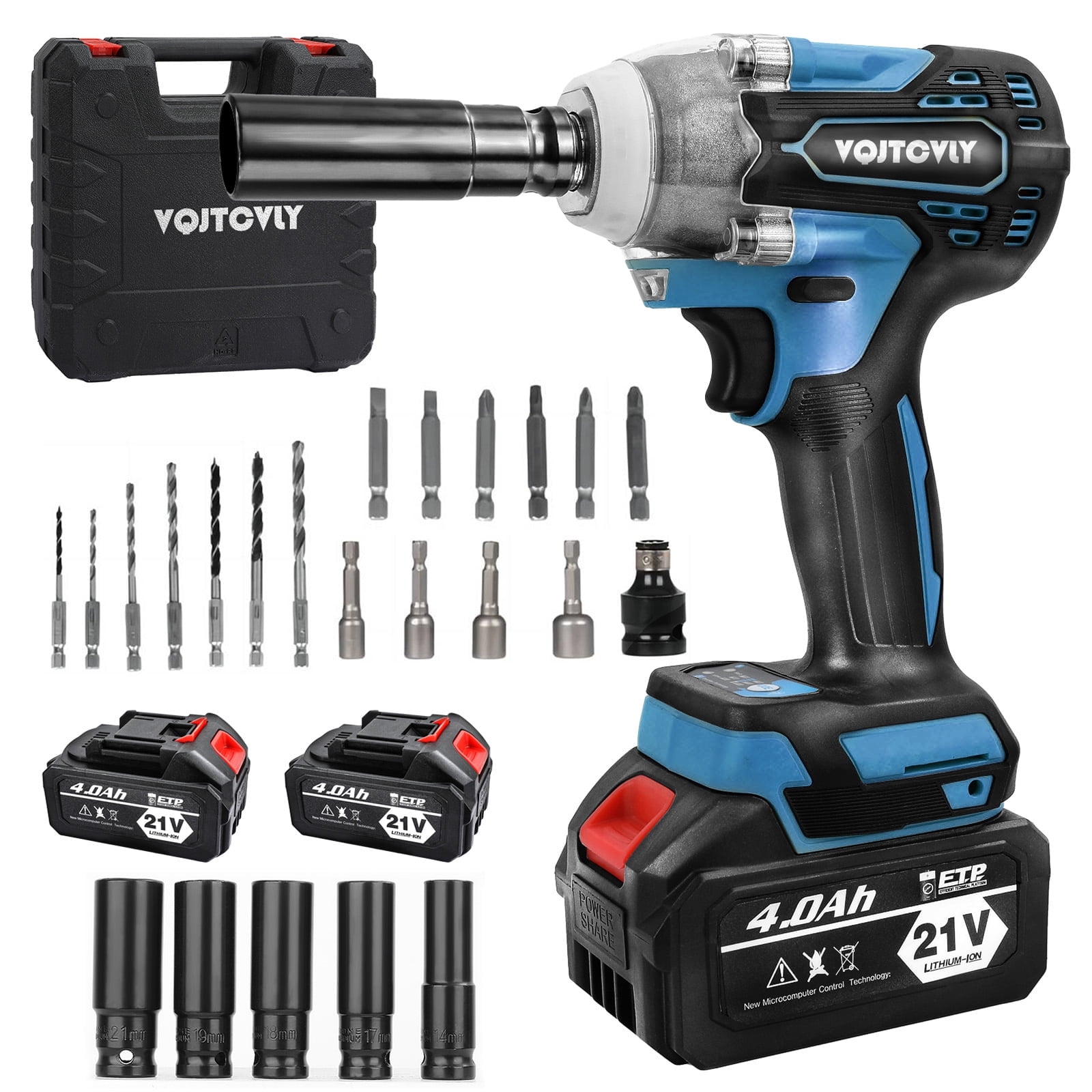
Credit: www.internationalcompetitionnetwork.org
Key Differences Summarized
To make the distinction crystal clear, let’s look at the core differences between brushed and brushless impact drivers side-by-side.
| Feature | Brushed Impact Driver | Brushless Impact Driver |
|---|---|---|
| **Motor Type** | Uses carbon brushes and a commutator for electrical switching. | Uses electronic controls to switch current; no physical brushes. |
| **Efficiency** | Lower; more energy lost as heat and friction. | Higher; less energy wasted, more power to the output. |
| **Runtime** | Shorter per battery charge. | Longer per battery charge (up to 30-50% more). |
| **Power/Torque** | Generally lower, though still powerful. | Generally higher and more consistent. |
| **Tool Lifespan** | Shorter due to brush wear and heat. | Longer due to fewer wearing parts and better heat management. |
| **Maintenance** | Brushes need periodic replacement. | Virtually maintenance-free motor. |
| **Size/Weight** | Can be bulkier and heavier. | Often more compact and lighter. |
| **Control** | Basic speed control via trigger. | More precise speed/torque control, often with multiple modes. |
| **Noise Level** | Can be louder due to brush friction. | Often quieter operation. |
| **Cost** | Lower initial purchase price. | Higher initial purchase price. |
| **Heat Generation** | Higher. | Lower. |
This table highlights why brushless technology is generally considered superior. However, the “better” choice always depends on your specific needs and budget.
When To Choose A Brushed Impact Driver
A brushed impact driver is still a solid choice in several scenarios. If you’re on a tight budget, a brushed model can get you into the impact driver game without breaking the bank. They are excellent for:
- Occasional DIY Projects: If you only use a tool a few times a year for tasks like assembling furniture, hanging shelves, or minor repairs, a brushed impact driver will likely serve you well for a long time. The wear and tear will be minimal.
- Light-Duty Fastening: For driving smaller screws into softer materials like drywall or light wood, the full power of a high-end brushless tool might be overkill. A brushed driver can handle these tasks efficiently.
- Budget-Conscious Buyers: When the initial cost is the primary deciding factor, brushed impact drivers offer a significant saving. You can often find a decent brushed impact driver for a fraction of the price of a comparable brushless model.
- Users Not Concerned with Maximum Runtime: If you don’t typically work for extended periods away from a power source or don’t mind swapping batteries more frequently, the slightly shorter runtime of a brushed tool might not be an issue.
- Replacement for an Old Tool: If you have an older brushed impact driver that has served you well, and you’re comfortable with its performance and maintenance (like replacing brushes), sticking with a similar brushed model can be a familiar and cost-effective option.
Think of a brushed impact driver as a reliable, older sibling. It might not have all the bells and whistles or the absolute top-tier performance, but it gets the job done reliably for a lot of common tasks.
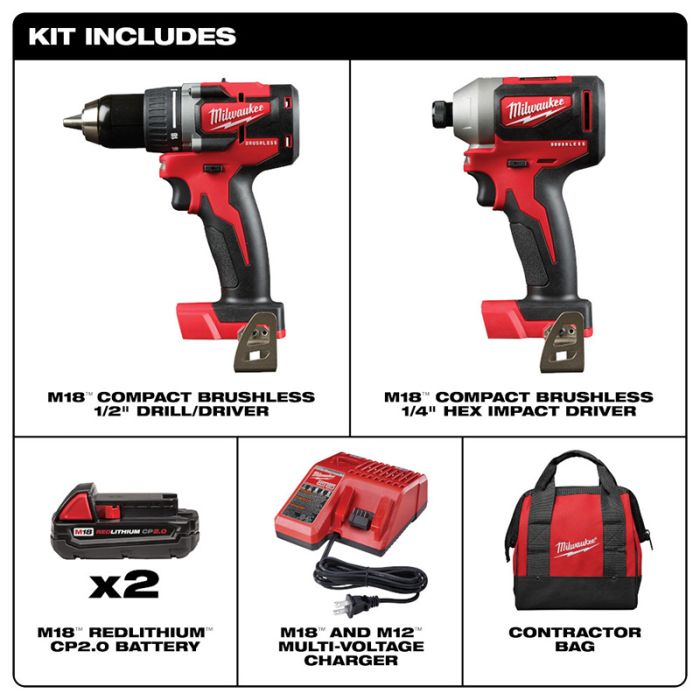
Credit: www.mecampbell.com
When To Choose A Brushless Impact Driver
The brushless impact driver is the modern standard for a reason. Its advanced technology offers tangible benefits that are particularly valuable for serious DIYers, professionals, and anyone who uses their tools frequently or for demanding applications.
Here are the prime scenarios for choosing a brushless impact driver:
- Frequent or Professional Use: If you use your impact driver daily or for extended periods, the increased efficiency, longer runtime, and reduced user fatigue (due to lighter weight) of a brushless tool will make a significant difference. Professionals in construction, automotive repair, and woodworking will benefit immensely.
- Demanding Applications: Driving large lag bolts into dense hardwoods, working with self-tapping screws, or loosening stubborn, rusted bolts requires maximum torque and consistent power. Brushless impact drivers excel in these high-demand situations.
- Maximizing Battery Life and Efficiency: If you want to get the most work done on a single battery charge, especially when working remotely or on large projects, the superior runtime of brushless tools is a major advantage.
- Long-Term Investment: While the upfront cost is higher, the extended lifespan, reduced maintenance, and superior performance mean a brushless impact driver can be a more cost-effective choice over the many years you’ll own it.
- Tighter Working Spaces: The often more compact and lighter design of brushless impact drivers makes them easier to maneuver and use in confined areas, such as under car hoods, inside cabinets, or between studs.
- Precision and Control: If your work requires fine adjustments or specific torque settings to avoid damaging materials or fasteners, the advanced electronic controls on many brushless models offer superior precision.
- Future-Proofing: As brushless technology becomes more widespread and affordable, investing in it now means you’re getting the latest advancements in power tool performance.
A brushless impact driver is like the latest model smartphone, it’s packed with advanced features, offers superior performance, and is built to last. It’s the choice for those who demand the best.
Understanding Impact Driver Specifications
When looking at impact drivers, both brushed and brushless, you’ll encounter several key specifications that help you understand their capabilities.
- Voltage (V): This indicates the power of the battery system. Common voltages for impact drivers are 12V, 18V, and 20V (often marketed as 20V MAX, meaning the battery’s voltage when fully charged before use). Higher