Have you ever noticed your drill bit getting hot while working on metal and wondered why? It’s a common problem that can slow you down and even damage your tools.
Understanding why your drill bit heats up can help you avoid mistakes, improve your drilling, and save money on replacements. You’ll discover the main reasons behind the heat buildup and simple tips to keep your drill bit cool and working efficiently.
Keep reading—you’re about to make your next metal project much easier.
Credit: www.walmart.com
Causes Of Heat Build-up
Heat builds up in drill bits during metal drilling for several reasons. Understanding these causes helps prevent damage and improves drilling quality. Heat can weaken the drill bit and the metal, leading to poor results and safety risks. Here are the main causes of heat build-up.
Friction Between Bit And Metal
Friction is the main cause of heat during drilling. The drill bit rubs against the metal surface, creating resistance. This resistance produces heat that transfers to the bit. Harder metals cause more friction, raising the temperature quickly. Less friction means less heat.
High Drill Speed
Drilling too fast increases heat. High speeds cause the bit to spin rapidly, producing more friction. The bit does not have time to cool down between spins. This constant rubbing generates excessive heat, which can damage both the bit and metal.
Inadequate Cooling Or Lubrication
Cooling or lubrication reduces friction and heat. Without enough cooling, heat builds up quickly. Lubricants like oil help metal and bit slide smoothly. Drilling dry or with poor cooling causes the bit to overheat fast.
Dull Or Worn Drill Bits
Dull bits struggle to cut metal cleanly. They grind against the surface instead of slicing through it. This grinding creates extra friction and heat. Worn bits need more pressure, which also adds to heat build-up.
Excessive Pressure Applied
Pressing too hard forces the bit into the metal. This increases friction and heat. Excessive pressure wears out the bit quickly and can cause it to break. Gentle, steady pressure keeps heat lower and drilling safer.
Effects Of Overheating
Overheating during drilling causes several problems. The heat affects both the drill bit and the metal being drilled. These effects can reduce the quality of your work and increase costs. Understanding the impact of overheating helps you avoid common drilling issues.
Reduced Drill Bit Lifespan
Heat wears out drill bits quickly. It makes the metal of the bit softer. Soft bits lose their sharpness faster. Dull bits need replacement more often. This raises your tool costs and slows work.
Damage To Metal Workpiece
Overheating can change the metal’s structure. The metal may become weak or brittle. It can cause cracks or warping. These damages ruin the workpiece and waste material. Precision parts can fail to fit properly.
Poor Drilling Performance
Hot drill bits do not cut well. The bit may slip or stall. Drilling becomes slower and uneven. Holes might be rough or too large. This lowers the overall quality of your project.
Safety Hazards
High temperatures create safety risks. Hot bits can cause burns if touched. Sparks may ignite flammable materials nearby. Overheated tools are more likely to break suddenly. These hazards can lead to serious injuries.
Choosing The Right Drill Bit
Choosing the right drill bit is key to preventing it from getting too hot while drilling metal. The right bit reduces friction and improves cutting efficiency. This keeps the bit cool and extends its life.
Understanding the drill bit’s material, coating, and design helps pick the best one for the job. Each factor plays a role in heat buildup and cutting performance.
Material Compatibility
Drill bits come in various materials. High-speed steel (HSS) is common for soft metals. Cobalt bits work well on harder metals like stainless steel. Carbide bits handle very tough metals but cost more. Using the correct material stops overheating and bit damage.
Coatings And Treatments
Coatings reduce friction and heat on the drill bit. Titanium nitride (TiN) coating adds hardness and helps heat spread away. Black oxide coating lowers friction and protects against rust. Some bits have multiple coatings for better performance. These treatments keep the bit cooler during use.
Bit Geometry And Design
The shape of the drill bit affects heat buildup. Bits with sharper points cut metal faster and reduce friction. Split-point bits start drilling without slipping. Flute design clears metal chips quickly, preventing heat from building. Proper design means less heat and smoother drilling.

Credit: www.reddit.com
Optimal Drilling Techniques
Drilling metal can make your drill bit very hot. This happens because of friction and pressure. Using the right drilling techniques helps keep the drill bit cool. It also makes your work easier and safer.
Proper Speed And Feed Rates
Drill at the correct speed for the metal type. Too fast creates extra heat and wears the bit quickly. Too slow causes rubbing and heat build-up. Feed rates should be steady, not too fast or slow. Let the drill bit cut without forcing it.
Using Lubricants And Coolants
Lubricants reduce friction between the drill bit and metal. Use cutting oil or special drilling lubricants. Coolants help remove heat during drilling. Apply them regularly, especially for hard metals. This keeps the drill bit sharp and prevents damage.
Controlling Pressure And Angle
Apply steady, moderate pressure while drilling. Pressing too hard heats the bit and metal. Keep the drill bit perpendicular to the metal surface. A wrong angle causes uneven wear and heat. Smooth drilling reduces heat and improves accuracy.
Pausing To Allow Cooling
Stop drilling occasionally to let the bit cool down. Continuous drilling traps heat and weakens the bit. Use breaks to avoid overheating and burning the metal. Cool drill bits last longer and work better.
Maintenance Tips For Drill Bits
Drill bits get hot when cutting metal because of friction and pressure. Proper maintenance helps keep them sharp and cool. This improves drilling performance and extends tool life. Follow these simple tips to care for your drill bits.
Sharpening Methods
Sharp drill bits cut metal more easily and stay cooler. Use a bench grinder or a sharpening tool to restore the tip. Hold the bit at the correct angle, usually 118 degrees. Avoid overheating the metal while sharpening. Cool the bit with water if needed.
Regular Cleaning
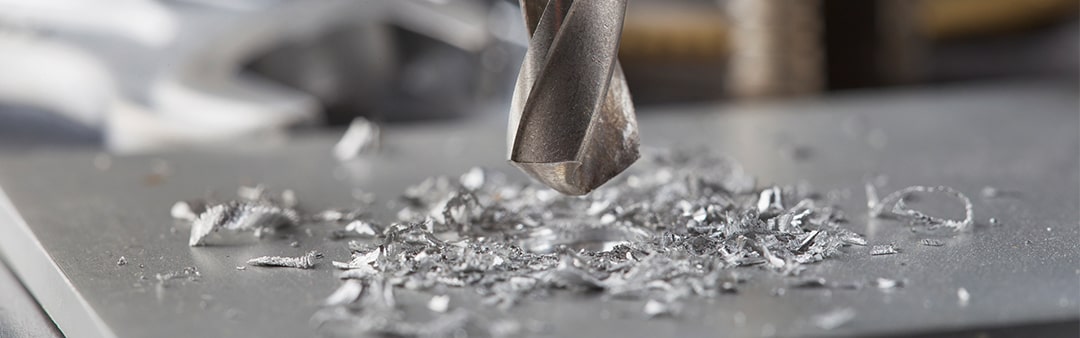
Metal shavings and dirt cause extra heat and wear. Clean bits after each use with a brush or cloth. Use a small wire brush for stuck debris. Wipe bits with oil to prevent rust and corrosion. Clean bits drill better and last longer.
Storage Recommendations
Store drill bits in a dry place to avoid rust. Use a drill bit case or organizer to keep bits separate. Avoid tossing bits in a toolbox where they can get damaged. Label storage to find the right size easily. Proper storage keeps bits ready for use.
Credit: www.clickmetal.co.uk
Frequently Asked Questions
Why Does My Drill Bit Overheat On Metal Surfaces?
Drill bits overheat on metal due to friction from high speed and pressure. Lack of lubrication and incorrect bit type also cause heat buildup. Proper cooling and using the right bit reduce overheating.
How Can I Prevent My Drill Bit From Getting Hot?
To prevent overheating, use cutting oil or lubricant during drilling. Reduce drill speed and apply moderate pressure. Choose drill bits designed for metal to improve heat resistance.
Does Overheating Damage The Drill Bit?
Yes, overheating weakens the drill bit’s hardness and sharpness. It can cause the bit to dull quickly or even break. Proper cooling preserves bit life and drilling efficiency.
What Drill Bit Type Is Best For Metal?
High-speed steel (HSS) and cobalt drill bits are ideal for metal. They resist heat better and maintain sharpness longer. Using the right bit improves drilling performance and reduces overheating.
Conclusion
Drill bits get hot because of friction and pressure on metal. Too much heat can damage the bit and metal. Use cutting oil or slow down the drill speed to keep it cool. Taking breaks helps the bit cool down too.
Choosing the right drill bit for metal is important. Knowing why your drill bit heats up helps you work better and longer. Keep these tips in mind for safer, easier drilling.