Drilling into a wall might seem simple, but what if you accidentally hit hidden wires? That can lead to costly repairs, dangerous shocks, or even a power outage in your home.
You want to hang that picture or install a shelf safely, without any surprises. You’ll learn easy and effective ways to drill into your walls without damaging electrical wires. By following these steps, you’ll protect yourself, your home, and your peace of mind.
Keep reading to find out exactly how to do it right the first time.

Credit: abutterflyhouse.com
Preparing To Drill
Preparing to drill into a wall without hitting wires is key for safety. Careful preparation helps avoid damage and injury. Follow these steps to get ready before you start drilling.
Gathering Necessary Tools
Collect all tools needed for the job. You will need a drill, a stud finder, a wire detector, and safety goggles. Keep a pencil and measuring tape nearby. These tools help you drill safely and accurately.
Choosing The Right Drill Bit
Select a drill bit that matches the wall material. Use a masonry bit for brick or concrete walls. For drywall, a standard twist bit works well. The correct bit makes drilling easier and cleaner.
Selecting The Drilling Location
Use a stud finder to locate wall studs. Mark stud edges lightly with a pencil. Scan the wall with a wire detector to find hidden wires. Avoid drilling where wires or pipes run. Pick a spot clear of obstacles for safe drilling.
Credit: my-plumber.co.uk
Identifying Hidden Wires
Drilling into a wall can be risky without knowing where wires hide. Hidden wires can cause shocks or damage. Identifying these wires first keeps you safe and protects your home’s wiring. It also helps you avoid costly repairs and downtime.
Several easy methods help you find wires before drilling. These methods do not need special skills. Use tools and simple checks to find hidden wires behind walls. Knowing wire locations guides safe drilling and avoids electrical accidents.
Using A Stud Finder With Wire Detection
A stud finder with wire detection scans walls for metal and electrical wiring. Move it slowly along the wall. The device alerts you near wires or metal pipes. This tool is affordable and easy to use for beginners. It helps mark safe spots to drill and avoid wires.
Checking Electrical Outlets And Switches
Outlets and switches show where wires run inside walls. Wires often run vertically or horizontally from these points. Use a tape measure to mark about 12 to 16 inches above outlets. These areas may have wires behind them. Avoid drilling close to these spots to stay safe.
Consulting Building Plans
Building plans show the layout of wiring in your home. Find these plans in your home files or ask your builder. Plans help identify wire routes and safe drilling areas. Use the plans to map out where wires may lie behind walls. This step reduces guesswork and increases safety.
Safety Precautions
Drilling into walls can be risky without the right safety steps. Wires hidden inside walls may cause shocks or damage. Taking safety precautions protects you and your home. Follow these key safety steps before starting your drilling project.
Turning Off Power Supply
Always turn off the power supply to the area you plan to drill. Switch off the circuit breaker that controls the wall’s electricity. This prevents electric shocks if you accidentally hit a wire. Use a voltage tester to confirm the power is off before drilling.
Wearing Protective Gear
Wear safety glasses to protect your eyes from dust and debris. Use gloves to avoid cuts or scrapes from sharp tools. Consider wearing a dust mask to keep dust out of your lungs. Protective gear keeps you safe during the drilling process.
Working With A Partner
Have someone nearby while drilling. A partner can help watch for hazards or call for help if needed. They can hold tools or provide extra light. Working with a partner makes drilling safer and easier.

Credit: www.youtube.com
Drilling Techniques
Drilling into a wall requires care and the right techniques. These techniques help avoid hitting wires hidden inside the wall. Proper drilling makes the task safer and more precise.
Using the correct approach reduces damage to your tools and the wall. It also protects you from electrical hazards. Follow these simple steps for safe drilling.
Marking The Spot
Start by clearly marking where you want to drill. Use a pencil or a small piece of tape. This mark guides the drill bit exactly where you need it.
Double-check the spot to avoid drilling in the wrong place. Make sure the area is free from switches or outlets.
Drilling At The Correct Angle
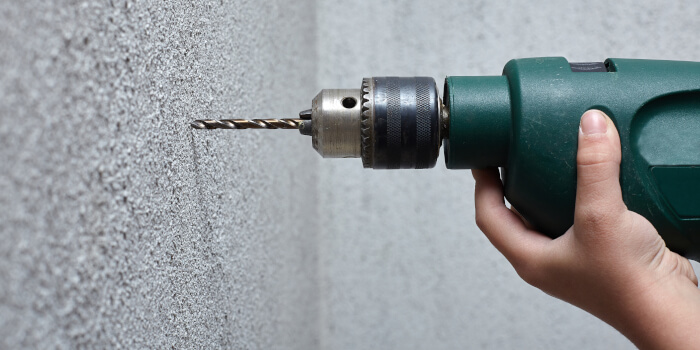
Hold the drill perpendicular to the wall. A 90-degree angle ensures a straight hole. This angle helps prevent the drill from slipping.
Keep the drill steady as you begin to drill. Avoid tilting the drill to keep the hole clean and safe.
Controlling Drill Speed And Pressure
Start drilling at a slow speed. This gives you better control and reduces damage. Increase speed only after the bit has made a small hole.
Apply gentle, steady pressure. Too much force can break the drill bit or damage the wall. Let the drill do the work at its own pace.
Handling Unexpected Obstacles
Drilling into a wall can reveal surprises beneath the surface. Unexpected obstacles like hidden wires may appear. Handling these safely is key to preventing damage and danger. Stay alert and prepared to act quickly if something unusual shows up.
Identifying Signs Of Hidden Wires
Look for small clues before drilling. Outlets and switches nearby suggest wires inside the wall. Paint patches or uneven surfaces may hide wire paths. Use a wire detector to scan the area. Listen for buzzing or humming sounds in walls. These hints help avoid drilling into wires.
Adjusting Drilling Location
Spotting signs of wires means change your drilling spot. Move a few inches away from the original mark. Choose a place with less chance of wires. Check again with the wire detector. Mark new safe spots before you drill. This reduces risks of hitting wires.
Stopping And Reassessing
Stop immediately if you hit resistance or sparks. Turn off power to the area right away. Step back and examine the situation carefully. Use a flashlight to look inside the hole. Call a professional if you feel unsure. Safety always comes first in these moments.
Post-drilling Checks
After drilling into a wall, it is important to check the results carefully. Post-drilling checks help ensure safety and neatness. These steps protect against hidden wires and keep your wall damage-free. Follow these simple tasks to complete your project with confidence.
Inspecting The Hole
Look closely at the hole you drilled. Make sure the edges are clean and smooth. Check for any cracks or chips around the hole. If you see exposed wires or unusual marks, stop work immediately. Use a flashlight to see deeper inside the hole.
Testing For Electrical Issues
Use a voltage tester near the hole to detect live wires. Touch the tester carefully around the drilled area. If the tester shows power, do not continue drilling. Turn off the power at the breaker box before fixing the issue. This step prevents electric shocks and damage to wiring.
Cleaning Up Debris
Clear away dust and loose wall pieces from the hole. Use a small brush or vacuum to clean the area. Removing debris prevents blockages if you plan to insert anchors or screws. A clean workspace helps the next steps go smoothly and keeps your wall looking good.
Frequently Asked Questions
How Can I Detect Wires Behind A Wall Safely?
Use a stud finder with an electrical sensor to detect wires. These devices help identify live wires and prevent accidents. Always double-check with a voltage tester before drilling to ensure safety.
What Tools Help Avoid Drilling Into Electrical Wires?
A combination of a stud finder, voltage tester, and wire detector works best. These tools locate studs and hidden wires accurately, reducing the risk of hitting live electrical cables.
Where Are Wires Usually Located Inside Walls?
Wires typically run vertically or horizontally near studs and outlets. They often follow a straight path from switches to fixtures, usually 12-16 inches above the floor or near electrical boxes.
Can I Drill Through Drywall Without Hitting Wires?
Yes, by scanning the wall thoroughly with detection tools first. Avoid drilling near outlets, switches, or light fixtures where wires are concentrated.
Conclusion
Drilling into a wall can be safe with the right steps. Always check for wires before you start. Use a wire detector to find hidden cables. Mark the spot clearly to avoid mistakes. Take your time and drill slowly. Protect yourself by wearing safety gear.
Following these simple tips helps prevent accidents. Stay careful and confident during the project. You can finish your task without worry. Safety first, every time you drill.