Have you ever picked up a drill bit and wondered what those fractions really mean? Choosing the right drill bit size is more important than you might think.
Using the wrong size can lead to frustrating mistakes, wasted materials, and extra work. You’ll discover how fractional drill bit sizes work and why understanding them can make your projects smoother and more precise. By the time you finish reading, you’ll feel confident picking the perfect drill bit every single time.
Let’s get started!

Credit: www.amazon.com
Fractional Drill Bits Basics
Understanding the basics of fractional drill bits is key to choosing the right tool for your project. Fractional drill bits come in specific sizes measured in inches. These sizes allow you to drill precise holes in wood, metal, plastic, and other materials.
Knowing the common sizes and materials helps you pick the best bit for the job. This section breaks down the essentials about fractional drill bits. Learn what they are, their usual sizes, and the materials used to make them.
What Are Fractional Drill Bits
Fractional drill bits have sizes expressed in fractions of an inch. For example, 1/4 inch or 3/8 inch. These bits fit standard drill chucks. The fractional measurement shows the drill diameter. This helps create holes with exact widths.
Common Fractional Sizes
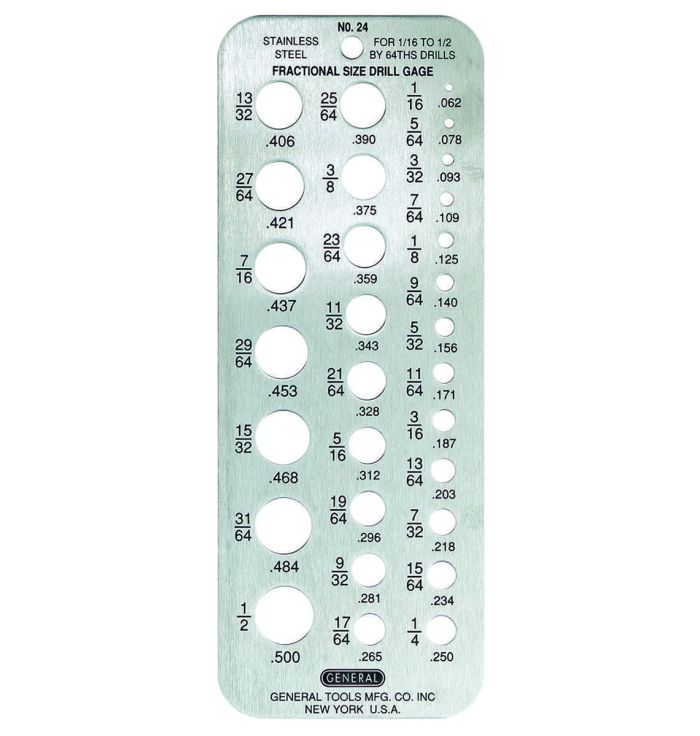
Fractional drill bits come in many sizes. Common sizes range from 1/16 inch to 1/2 inch. Some popular sizes include 1/8, 3/16, 1/4, and 3/8 inches. These sizes cover most household and workshop needs. The sizes increase by small steps for accuracy.
Materials And Coatings
Drill bits come in different materials for durability. High-speed steel (HSS) is common and works well for wood and metal. Some bits have coatings like titanium or black oxide. These coatings reduce friction and extend the bit’s life. Choose materials based on the work you plan to do.
Credit: toolguy.com
Choosing The Right Size
Choosing the right fractional drill bit size is key for good results. Using the correct size helps create clean holes and avoids damage to your workpiece. It also saves time and reduces wear on tools.
Matching Bits To Drill Holes
Choose a drill bit that matches the hole size you need. If the bit is too small, the hole will be tight or too narrow. Too large a bit makes the hole loose or uneven. Match the bit size closely to the hole size for best fit.
Size Tolerance And Accuracy
Fractional drill bits come with small size differences, called tolerance. Tolerance means the bit may be slightly bigger or smaller than labeled. For basic projects, small tolerance is fine. For detailed work, pick bits with tighter size accuracy.
Impact On Precision Drilling
Precision drilling needs exact bit sizes. Using the right size avoids cracks and rough edges. It ensures the hole fits screws or bolts perfectly. Precision bits help keep your project strong and neat.
Fractional Vs Metric And Numbered Bits
Understanding the differences between fractional, metric, and numbered drill bits helps you pick the right tool. These types measure drill bits in different ways. Fractional bits use inches, metric bits use millimeters, and numbered bits use a special numbering system. Each type has its own use and fits certain projects better.
Key Differences
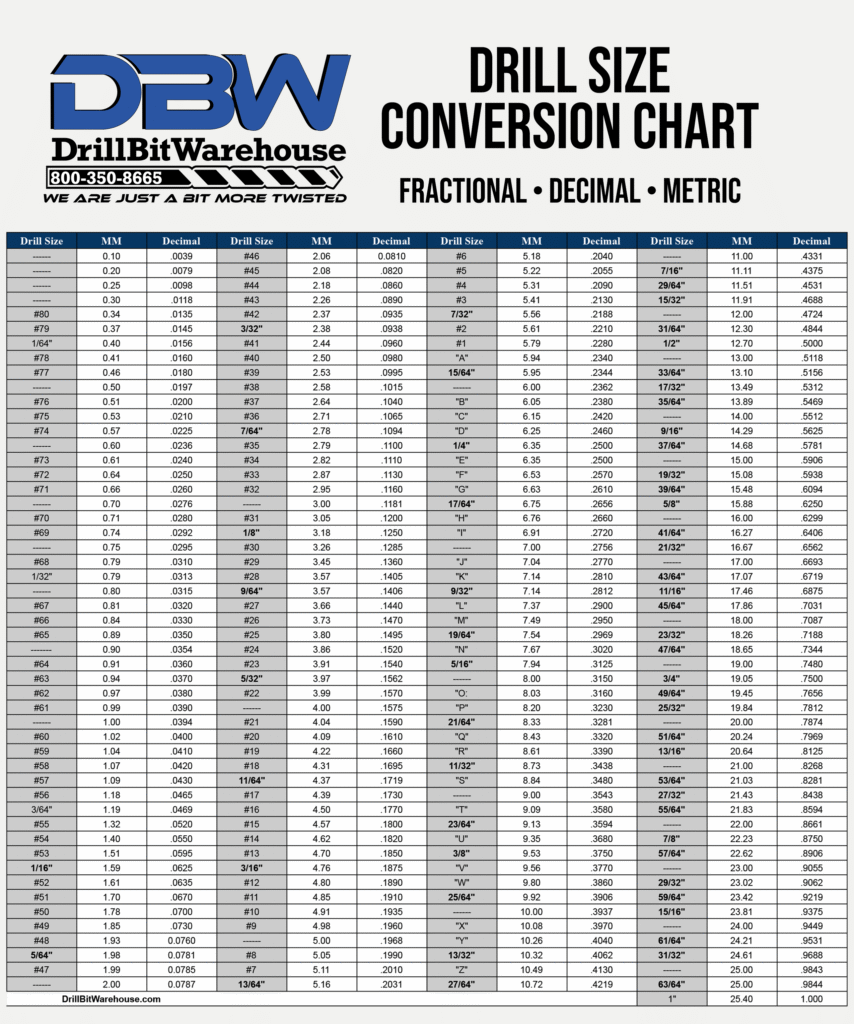
Fractional bits are sized in fractions of an inch, like 1/4 or 3/8. Metric bits measure in millimeters, such as 6 mm or 10 mm. Numbered bits use a scale from 1 to 80, where smaller numbers mean larger bits. Fractional bits suit woodworking and general use. Metric bits are common in machine work and cars. Numbered bits are mainly for metal and precise jobs.
When To Use Each Type
Use fractional bits for projects with inch-based measurements. They fit wood and home improvement tasks well. Metric bits work best with machines or parts made overseas. Numbered bits fit metal drilling and detailed work. Choosing the right bit saves time and avoids mistakes. Knowing the bit type matches the material is key.
Converting Between Systems
Converting sizes helps when you have the wrong bit type. Use a chart or online tool to switch between fractional, metric, and numbered sizes. For example, 1/4 inch equals about 6.35 mm. Numbered bits need special charts for exact matches. Keep a conversion chart handy for quick reference. This avoids buying extra bits and helps finish work faster.
Applications Of Fractional Drill Bits
Fractional drill bits have many uses across different materials and projects. Their size range makes them ideal for precise drilling tasks. Understanding their applications helps choose the right bit for the job.
Woodworking
Fractional drill bits are common in woodworking projects. They create clean, accurate holes in wood. These bits fit standard drill chucks easily. Perfect for furniture making, cabinetry, and DIY crafts. They help avoid wood splitting or damage.
Metalworking
Metalworking requires sturdy and precise drill bits. Fractional sizes allow drilling through various metals. Suitable for steel, aluminum, and other alloys. These bits maintain strength and sharpness during use. They ensure smooth holes without rough edges.
Plastic And Composite Materials
Plastic and composites need careful drilling to avoid cracking. Fractional drill bits provide control and accuracy. They work well on acrylic, fiberglass, and similar materials. These bits minimize heat build-up and material stress. Ideal for electronics, automotive, and craft projects.
Maintaining Drill Bits For Accuracy
Maintaining drill bits is key to keeping their accuracy. Sharp bits cut clean holes. Dull bits cause rough edges and make mistakes. Caring for your drill bits saves money and time. It also ensures your projects look professional. Follow these tips to keep your bits in top shape.
Sharpening Techniques
Use a bench grinder or sharpening tool to sharpen bits. Hold the bit at the correct angle to the grinder. Move it gently to avoid overheating. Cool the bit in water to prevent damage. Check the tip for a sharp, even edge. Sharpen both cutting edges equally for balance.
Storage Tips
Store drill bits in a dry place to avoid rust. Use a case or organizer to keep bits separate. Label sizes clearly for quick access. Avoid tossing bits loosely in a toolbox. Keep bits clean and dry before storing them.
Signs Of Wear And Replacement
Look for chipped or rounded edges on the tip. Notice if bits take longer to drill holes. Watch for uneven or oversized holes. Replace bits that are bent or damaged. Using worn bits lowers accuracy and may ruin materials.
Credit: generaltools.com
Tips For Precision Drilling
Precision drilling requires care and attention to detail. Small errors can cause big problems in your project. Follow these tips to improve accuracy and get clean, neat holes every time. Proper technique makes your work easier and results better.
Drill Speed And Feed Rate
Choose the right drill speed for the material. Soft materials need faster speeds, hard materials need slower speeds. Too fast can burn the bit or damage the workpiece. Feed rate is how fast you push the drill. Slow and steady avoids overheating and bit breakage.
Using Pilot Holes
Start with a small pilot hole before drilling the final size. It guides the larger bit and stops it from wandering. Pilot holes reduce stress on the drill bit and workpiece. This method helps keep holes straight and precise.
Avoiding Common Mistakes
Do not force the drill bit through the material. Let the bit do the work. Avoid using dull or damaged drill bits. Check the drill bit size carefully before starting. Secure the workpiece firmly to prevent movement. These simple steps reduce errors and improve hole quality.
Frequently Asked Questions
What Are Fractional Drill Bit Sizes?
Fractional drill bit sizes use fractions of an inch to indicate diameter. They range from 1/64″ to 1″ and are common in the U. S. This system simplifies selecting bits for exact hole sizes in woodworking and metalworking.
How To Read Fractional Drill Bit Sizes?
Read fractional drill bit sizes as simple fractions, like 1/8″ or 3/16″. The numerator represents parts of an inch, and the denominator shows the total parts. This helps identify the exact drill bit diameter needed for a project.
Why Use Fractional Drill Bits Instead Of Metric?
Fractional drill bits match inch-based measurements used in many tools and materials. They are ideal for projects requiring precise inch dimensions, especially in the U. S. , where imperial units are standard. Metric bits may not fit inch-sized hardware perfectly.
What Materials Suit Fractional Drill Bits?
Fractional drill bits work well on wood, metal, and plastic. They are designed for general-purpose drilling, offering versatility. Choosing the right material-specific bit coating enhances durability and performance for tough materials.
Conclusion
Fractional drill bit sizes help you find the right bit fast. They use simple fractions like 1/4 inch or 3/8 inch. Knowing these sizes makes your work easier and more precise. You can match bits to screws and holes with confidence.
This guide clears up any confusion about drill bit sizes. Now, you can choose the correct size without stress. Keep this info handy for your next project. Drill smarter, not harder.