What Is An Oscillating Drill Press?
Many people know about basic drill presses, but the oscillating drill press is much less familiar. This machine is a powerful tool for woodworking and metalworking, offering extra benefits over traditional models. If you want cleaner holes, smoother surfaces, and more flexibility in your workshop, understanding oscillating drill presses is essential. In this guide, you’ll learn what makes an oscillating drill press unique, how it works, its advantages, and whether it fits your needs.
What Is An Oscillating Drill Press?
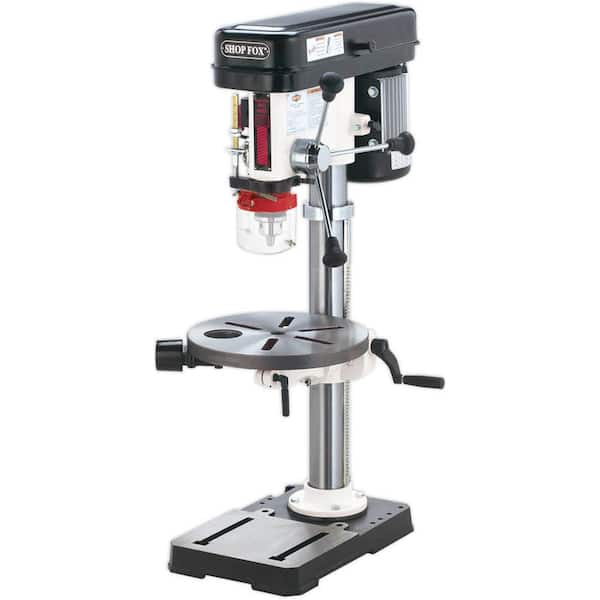
An oscillating drill press is a special type of drill press. Unlike regular drill presses that move the bit straight up and down, oscillating models add a side-to-side motion. This means the drill bit not only goes vertically but also “wobbles” or oscillates horizontally. This dual movement helps the bit sand, polish, or drill more efficiently.
The oscillation is controlled by a mechanism inside the drill press. Usually, you can switch between standard drilling and oscillating sanding. This makes the machine flexible for different tasks. Woodworkers, metalworkers, and even hobbyists use oscillating drill presses to save time and improve their results.
How Does An Oscillating Drill Press Work?
The secret behind the oscillation lies in its internal parts. Most oscillating drill presses have a camshaft or eccentric gear system that moves the spindle side to side. When you activate the oscillation mode, these parts engage and start the extra motion.
Here’s a step-by-step overview:
- Choose your mode: Use a lever or switch to select drilling or oscillating.
- Insert your bit or sanding drum: Secure it in the chuck.
- Set the speed: Adjust the speed depending on your material and task.
- Start the machine: The bit moves up and down and side to side if oscillation is on.
- Work on your piece: Drill or sand as needed.
This dual action means you can drill holes or sand edges without changing machines. It’s like having two tools in one.
Credit: www.homedepot.com
Key Features Of Oscillating Drill Presses
Oscillating drill presses come with many features that help both beginners and professionals. Here are some of the most important ones:
- Oscillation mechanism: Allows the bit to move horizontally.
- Convertible spindle: Lets you switch between drilling and sanding.
- Variable speed control: Adjusts speed for different materials.
- Depth stop: Sets how deep you want to drill.
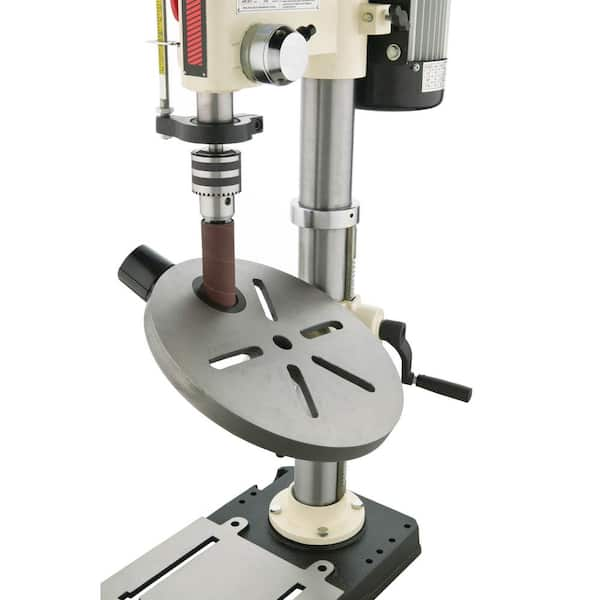
- Tilting table: Lets you angle your workpiece for special cuts or sanding.
- Dust collection port: Helps keep your workspace clean.
- Sturdy base: Keeps the machine stable during heavy tasks.
Some models also include LED lighting, laser guides, or digital readouts. These extras make tasks easier and improve accuracy.
Benefits Of Using An Oscillating Drill Press
Oscillating drill presses offer several advantages over regular drill presses. These benefits can make a big difference in your work quality and efficiency.
1. Cleaner Holes
The oscillating motion helps clear dust and chips from the hole. This reduces clogging and keeps the bit sharp. You get cleaner holes with less tear-out, especially in wood.
2. Smoother Sanding
When using a sanding drum, the oscillation spreads out wear on the sandpaper. This prevents grooves and burns, leaving a smoother surface.
3. Less Heat Buildup
Oscillation keeps the bit moving, which reduces heat. Lower heat means less risk of burning wood or dulling metal bits.
4. Faster Material Removal
The combined movement removes material faster. You can finish projects quicker with less effort.
5. Versatility
Switching between drilling and sanding saves space and money. One machine does two jobs. You can work on many types of projects without buying extra tools.
6. Longer Tool Life
Because the sanding drum and drill bit move in more directions, they wear out more slowly. This means longer tool life and lower costs.
Common Applications For Oscillating Drill Presses
Oscillating drill presses are useful in many fields. Here are some common ways people use them:
- Woodworking: Sanding curves, drilling holes, shaping edges.
- Metalworking: Drilling clean holes, deburring edges.
- Plastic fabrication: Creating holes or smoothing surfaces.
- DIY and hobby projects: Crafting, model making, home repairs.
For example, a furniture maker might use an oscillating drill press to sand chair legs and then drill holes for screws—all with one machine.
Oscillating Drill Press Vs. Standard Drill Press
Many buyers wonder if they need an oscillating model or if a standard drill press is enough. Here’s a direct comparison:
| Feature | Oscillating Drill Press | Standard Drill Press |
|---|---|---|
| Drilling | Yes | Yes |
| Sanding | Yes (oscillation improves quality) | Limited (can use sanding drum, no oscillation) |
| Heat Control | Better | Fair |
| Dust Management | Good (oscillation helps) | Fair |
| Tool Life | Longer | Shorter |
| Price | Higher | Lower |
The oscillating drill press is best for those who want extra features and smoother sanding. A standard drill press is fine for simple drilling tasks.
Choosing The Right Oscillating Drill Press
Buying an oscillating drill press is a big decision. There are many models, and not all are equal. Here’s what you should consider:
1. Motor Power
Look for machines with at least 1/2 HP (horsepower). For heavy work, 1 HP or more is ideal.
2. Oscillation Speed
Check how fast the spindle oscillates. Faster oscillation means quicker sanding and less heat.
3. Table Size And Tilt
A larger, tilting table lets you handle bigger pieces and angle your work. Look for tables at least 9 x 12 inches.
4. Chuck Size
Most drill presses use a 1/2-inch chuck. This fits many bits and sanding drums.
5. Depth Stop
A good depth stop ensures consistent drilling. It’s vital for repeat work.
6. Dust Collection
Machines with dust ports are easier to keep clean. This is important for indoor workshops.
7. Build Quality
Steel and cast iron bodies last longer. Avoid models with too much plastic.
8. Price And Warranty
Prices range from $200 to $1000. Compare warranties—one year is standard, but some brands offer more.
9. Brand Reputation
Choose brands known for reliability, like Delta, WEN, or Jet.
10. User Reviews
Read real reviews from users. Look for comments about ease of use, accuracy, and durability.
Top Oscillating Drill Press Models In 2024
To help you decide, here are some of the best oscillating drill presses available this year. The table below shows key specs:
| Model | Motor Power | Table Size | Oscillation Speed | Price (USD) |
|---|---|---|---|---|
| Delta 18-900L | 1 HP | 16 x 24 in | 4000 OPM | $999 |
| WEN 6510T | 1/2 HP | 9 x 12 in | 2000 OPM | $249 |
| Jet JDP-17 | 3/4 HP | 14 x 19 in | 3000 OPM | $749 |
| Shop Fox W1848 | 3/4 HP | 12 x 15 in | 2500 OPM | $439 |
*OPM = Oscillations Per Minute*
The Delta is the most powerful, but WEN offers great value for small workshops.
Credit: www.homedepot.com
Setting Up An Oscillating Drill Press
Proper setup is crucial for safety and accuracy. Here’s how to get started:
- Place the drill press on a solid bench or floor. The base must be stable.
- Bolt the machine down if possible. This stops vibration.
- Connect power safely. Use a grounded outlet.
- Check all moving parts. Make sure the spindle, chuck, and oscillation mechanism are working.
- Install your drill bit or sanding drum. Tighten the chuck well.
- Adjust the table height and tilt. Lock it in place.
- Set depth and oscillation mode. Make sure you understand how to switch modes.
- Attach dust collection if available.
Always read the manual for your specific machine. Each model may have unique steps.
Safety Tips For Using An Oscillating Drill Press
Safety is vital when working with power tools. Here are important tips:
- Wear safety goggles. Protect your eyes from chips and dust.
- Use hearing protection. Some drill presses can be loud.
- Keep hands away from the spinning bit.
- Secure your workpiece with clamps.
- Do not wear loose clothing or jewelry.
- Check for damaged parts before each use.
- Keep the workspace clean. Sawdust can cause slips.
- Turn off power before changing bits or drums.
- Never force the drill or sanding drum. Let the machine do the work.
Even experienced users sometimes forget these basics. Always stay alert.
Oscillating Drill Press Maintenance
Keeping your drill press in good shape will extend its life and keep it safe. Maintenance is simple but important.
Regular Checks
- Lubricate moving parts every few months.
- Clean dust and debris after each use.
- Check belts and gears for wear.
- Inspect the chuck and spindle for wobble.
Sanding Drum Care
- Replace sanding sleeves when they wear out.
- Store drums in a dry place to avoid rust.
Drill Bit Care
- Sharpen bits regularly.
- Replace damaged bits right away.
Electrical Safety
- Inspect cords and plugs for damage.
- Unplug the machine when not in use.
Skipping maintenance is a common mistake. Even a simple cleaning can prevent big problems.
Real-world Examples: Oscillating Drill Press In Action
Let’s look at practical uses. Imagine a cabinet maker sanding the edge of a door. With a regular drill press and sanding drum, the sandpaper can burn or leave lines. Using an oscillating drill press, the oscillation spreads out the sanding, leaving a smooth finish.
Another example: a metalworker needs to drill a series of holes in steel. The oscillation helps remove chips from the hole, reducing heat and keeping the bit sharp. This saves time and produces cleaner holes.
Hobbyists also benefit. If you build wooden toys, you can sand curves and drill holes without switching machines.

Credit: athomeinthefuture.com
Oscillating Drill Presses: Common Mistakes And How To Avoid Them
Even skilled users sometimes make mistakes. Here are frequent problems and how to avoid them:
- Using the wrong speed: Match speed to your material. Too fast can burn wood or dull bits.
- Not securing the workpiece: Always use clamps.
- Forgetting to engage oscillation: Remember to switch modes for sanding.
- Ignoring dust collection: Sawdust builds up fast. Use the port or clean often.
- Skipping maintenance: Regular checks prevent breakdowns.
A non-obvious tip: When sanding, use light pressure. Let the oscillation do the work. Heavy force wears out the drum faster and can cause uneven surfaces.
Another insight: For drilling deep holes, lift the bit every few seconds to clear chips. This prevents clogging and improves accuracy.
Oscillating Drill Press Accessories
You can expand your drill press’s abilities with accessories:
- Sanding drums: Available in different sizes for curves and edges.
- Drill bits: For wood, metal, or plastic.
- Clamps and vises: Hold your workpiece steady.
- Dust collection kits: Keep your area clean.
- Laser guides: Show where the bit will hit.
- Mobile bases: Move the machine easily.
Choosing the right accessories depends on your projects. For woodworking, sanding drums are essential. For metal, strong clamps and sharp bits matter most.
Environmental And Economic Impact
Using an oscillating drill press can be more eco-friendly and cost-effective than using separate machines.
- Lower energy use: One machine does two jobs.
- Less waste: Smoother sanding reduces scrap.
- Longer tool life: Fewer replacements needed.
- Reduced dust: Better collection helps air quality.
Workshops that switch to oscillating drill presses often report fewer tool purchases and improved product quality. This saves money over time.
Oscillating Drill Press For Beginners
If you are new to workshop tools, the oscillating drill press can seem complex. Here are some easy steps to get started:
- Read the manual: Understand your machine.
- Watch online videos: See the tool in action.
- Practice on scrap wood: Learn how oscillation affects sanding.
- Start with simple projects: Drill holes, sand edges.
- Ask experienced users for advice: Join forums or local clubs.
A mistake many beginners make is skipping the practice step. Try different speeds, pressures, and drums before working on your main project.
Pros And Cons Of Oscillating Drill Presses
To sum up, here’s a quick look at the main advantages and drawbacks:
| Pros | Cons |
|---|---|
| Smoother sanding | Higher cost |
| Cleaner holes | Heavier and larger |
| Versatile | More complex setup |
| Longer tool life | Needs regular maintenance |
| Faster material removal | Learning curve |
Oscillating Drill Presses: Future Trends
Technology is always changing. New oscillating drill presses include digital controls, smart sensors, and improved dust collection. Some models now connect to apps for maintenance reminders and speed control.
Manufacturers are also making quieter machines and eco-friendly options. In the next few years, expect even more features for safety, accuracy, and efficiency.
Where To Learn More
If you want more detailed information, visit Wikipedia. You’ll find technical details and history about drill presses, including oscillating models.
Frequently Asked Questions
What Is The Main Purpose Of An Oscillating Drill Press?
The main purpose is to combine drilling and sanding in one machine. The oscillating motion helps you sand edges and curves smoothly, as well as drill clean holes. It saves time, space, and improves the quality of your work.
Can I Use An Oscillating Drill Press For Metalworking?
Yes, you can use it for metalworking, especially for drilling holes. The oscillation helps clear chips and reduce heat. However, sanding metal is less common—most people use the sanding feature for wood and plastic.
How Do I Switch Between Drilling And Sanding Modes?
Most oscillating drill presses have a lever or switch. You turn off the machine, change the bit to a sanding drum, and engage the oscillation mode. Always check the manual for your model, as the steps may vary.
Is An Oscillating Drill Press Safe For Beginners?
Yes, it is safe if you follow basic safety rules. Wear goggles, clamp your workpiece, and keep hands away from moving parts. The added motion does not make the machine more dangerous, but you should take time to learn the controls.
What Is The Average Price Of An Oscillating Drill Press?
Prices range from $200 for basic models up to $1000 for professional machines. Most home workshops use models in the $250–$500 range. Look for features and warranty, not just price.
A well-chosen oscillating drill press can transform your workshop. Whether you’re sanding, drilling, or shaping, this tool gives you more options and better results. With careful setup and maintenance, it will last for years and help you create high-quality projects.
Remember to follow safety rules and practice before starting big tasks. If you need more details, trusted sources like Wikipedia and user reviews can guide your choice.