When you’re working on a project that requires drilling, choosing the right drill bit size can make all the difference. But if you’ve ever looked at a set of number drill bits, you might have wondered what those numbers really mean.
Understanding number drill bit sizes isn’t just helpful—it can save you time, prevent mistakes, and give your work a professional finish. You’ll discover exactly how these sizes are measured and why knowing them matters for your next task. Keep reading, and you’ll never have to guess which drill bit to use again.
Number Drill Bits Basics
Number drill bits form a key part of many toolkits. These bits have specific sizes labeled by numbers. Knowing their basics helps you pick the right bit for your project. This section explains what number drill bits are, where their numbering comes from, and the common sizes you will find.
What Are Number Drill Bits
Number drill bits are small drill bits labeled with numbers instead of fractions or decimals. Each number shows a specific size. These bits are used for precise drilling in metal, plastic, and wood. They provide an easy way to identify tiny drill bit sizes quickly. Number drill bits help you match the drill size to the screw or hole needed.
Numbering System Origins
The numbering system for these drill bits started long ago. It was created to organize very small drill bit sizes. Numbers run from larger to smaller sizes or the other way, depending on the system. This made it easier for workers to find the exact bit size. The number system is still common today, especially in the US and other countries.
Common Size Range
Number drill bits usually cover sizes from 1 to 80. Size 1 is the largest bit in this system. Size 80 is the smallest. These bits fill in the size gaps between lettered drill bits and fractional sizes. Having a wide range means you can find very precise sizes for detailed work. This helps in projects needing exact hole diameters.
Choosing The Right Size
Choosing the right drill bit size is key to a successful project. The correct size ensures the hole fits the fastener or purpose perfectly. Too large or too small bits cause problems during and after drilling. Understanding how to pick the right size improves your work quality and saves time.
Matching Bits To Materials
Different materials need different drill bit sizes. Soft materials like wood allow some flexibility in size. Hard materials like metal require exact sizes to avoid damage. Picking the right bit size helps control the hole depth and shape. It also protects the drill bit from breaking or wearing out fast.
Tolerance And Precision
Every drill bit size has a tolerance range. This means the hole size may vary slightly from the bit size. Precision is vital for metal and mechanical parts. Loose holes can cause weak joints or loose screws. Tight holes might stop screws from fitting or break parts. Choose bits with the right tolerance for your task.
Impact On Hole Quality
Using the right drill bit size affects hole smoothness and accuracy. A correct size bit produces clean edges and the right diameter. Incorrect sizes cause rough edges or uneven holes. These defects reduce the strength of the joint or the finished look. Proper sizing ensures neat, strong, and functional holes every time.
Number Size Chart
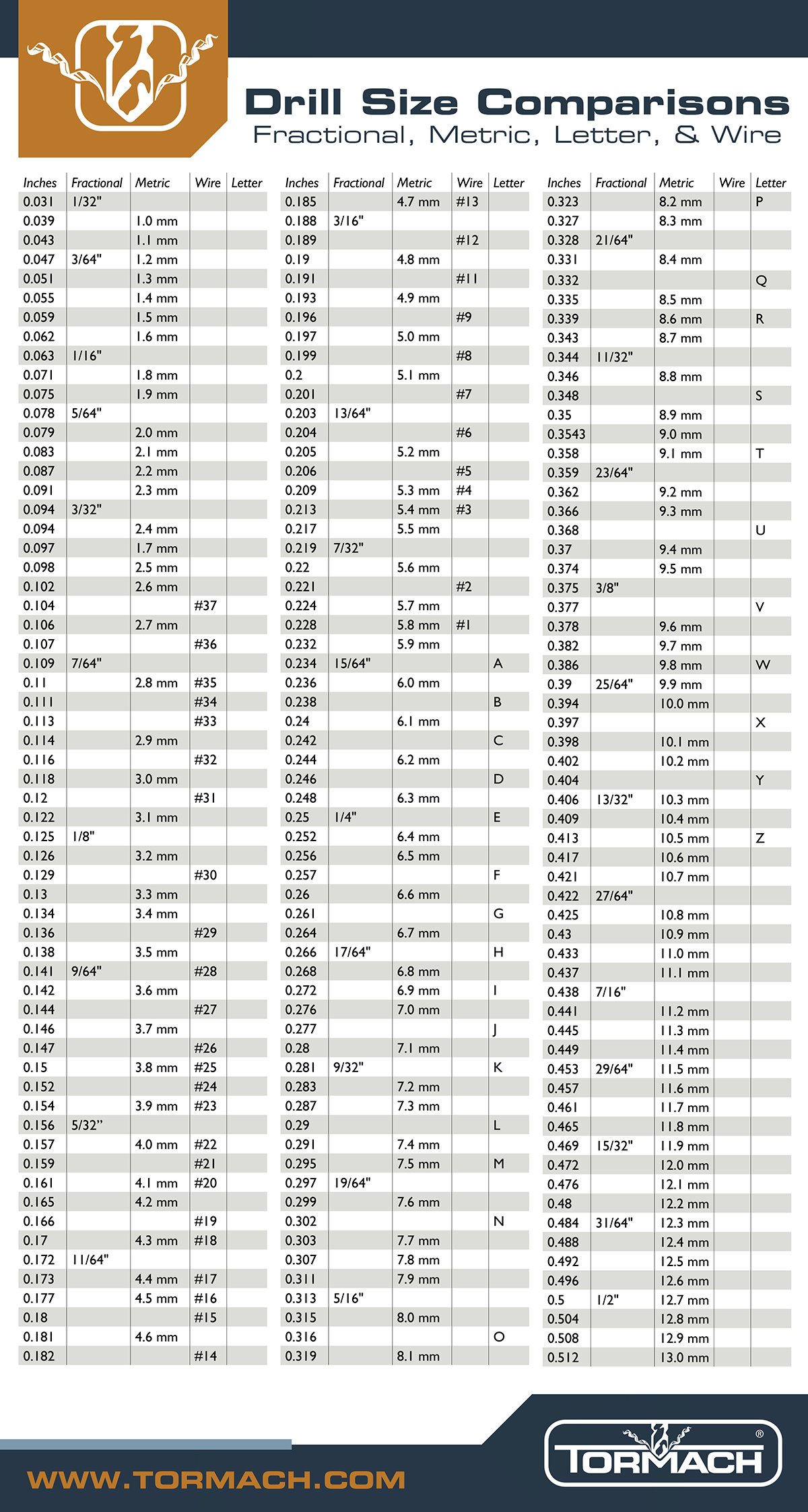
The number size chart is a key tool for understanding drill bit sizes. It helps you pick the right drill bit for your project. Each number corresponds to a specific drill bit diameter. This chart makes it easier to find the exact size you need. You will also see how these numbers relate to decimal sizes and metric measurements.
Standard Number Drill Sizes
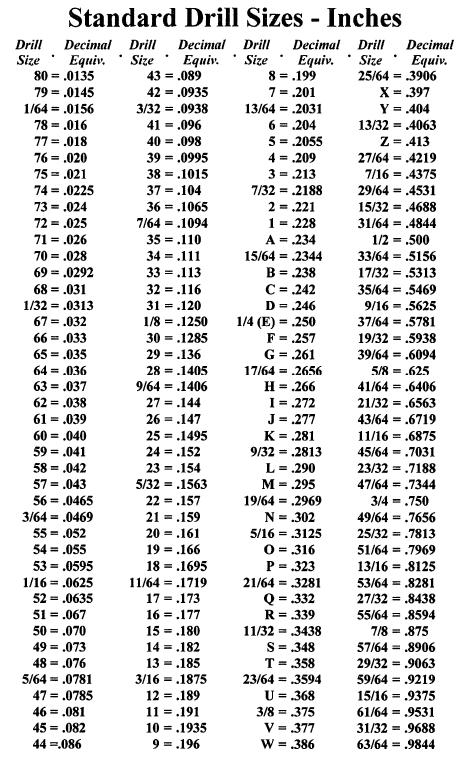
Number drill sizes range from 80 to 1. Size 80 is the smallest, about 0.0135 inches. Size 1 is the largest, about 0.228 inches. These sizes fill the gap between the smallest fractional sizes. The chart lists each number with its exact diameter. This helps you select drill bits accurately.
Decimal Equivalents
Decimal equivalents show drill bit sizes in inches. For example, size 10 equals 0.1935 inches. These numbers give precise measurements. They are useful for metal, wood, or plastic drilling. Decimal sizes help avoid guesswork. You get exact hole sizes for your project needs.
Metric Conversions
Metric conversions translate number sizes into millimeters. For example, size 20 equals about 0.1610 inches or 4.09 mm. This makes the chart useful worldwide. It helps users who work with metric tools. Metric sizes are rounded for easy use. This ensures you get the right drill bit no matter the unit system.
Credit: tormach.com
Applications For Number Bits
Number drill bits come in various sizes and fit many tasks. Their sizes are small and precise, making them perfect for detailed jobs. These bits work well in metal, wood, plastic, and composite materials. Knowing their uses helps pick the right bit for each project.
Metalworking Uses
Number bits are ideal for drilling small holes in metal. They create clean, accurate holes without cracking the metal. These bits work well on steel, aluminum, and brass. They are common in making machinery parts and electronics. Using the right size bit prevents damage to the metal piece.
Woodworking Tips
In woodworking, number bits help drill small pilot holes. These holes guide screws and stop wood from splitting. They work best on soft and hardwoods. Small bits allow for fine detail work in furniture or crafts. They also help in making dowel joints and other precise wood connections.
Plastic And Composite Drilling
Number drill bits make clean holes in plastic and composites. They reduce cracking and chipping during drilling. These bits suit thin plastic sheets and layered composite materials. Using the right size bit ensures a smooth finish. They are perfect for model making and electronic housings.
Maintaining Drill Bit Accuracy
Maintaining drill bit accuracy is essential for precise and clean holes. Accurate bits reduce material damage and improve project quality. Proper care keeps your drill bits sharp and reliable for longer use.
Proper Storage Techniques
Store drill bits in a dry place to prevent rust. Use a case or holder to keep bits organized. Avoid loose bits in toolboxes to stop damage. Label storage spots by size for quick access.
Sharpening Number Bits
Sharpen bits carefully to keep the correct size. Use a drill bit sharpener or fine file. Keep the original angle of the cutting edge. Check the bit size after sharpening to ensure accuracy.
Avoiding Common Mistakes
Do not use bits on wrong materials. Avoid applying too much pressure while drilling. Clean bits after each use to remove debris. Replace bits that are too worn or damaged.
Comparing Number Bits To Other Types
Number drill bit sizes differ from fractional and letter sizes. Each type has a unique way to measure the drill bit diameter. Understanding these differences helps you pick the right bit for your project. This section compares number bits with other common types.
Fractional And Letter Drill Bits
Fractional drill bits use fractions of an inch to show size. For example, 1/4 inch or 3/8 inch. These sizes are easy to understand and common in woodworking.
Letter drill bits use letters from A to Z to name sizes. Letter bits fill in gaps between fractional and number sizes. They offer more precise sizing for small holes.
Number drill bits use numbers from 1 to 80. Size decreases as the number increases. Number bits cover a wide range of sizes between letters and fractions.
When To Use Number Sizes
Use number drill bits for metal or plastic projects needing exact holes. These sizes work well in tasks requiring tight fits or precision. Number bits suit machine shops and detailed crafts.
Choose number sizes when fractional bits are too large or letter bits do not fit. They provide a fine range of sizes for careful drilling. This makes number bits ideal for small or medium holes.
Advantages And Limitations
Number bits offer many sizes in small increments. This allows more control over hole size. They are easy to find in metalworking sets.
One limitation is size confusion. Numbers do not directly show diameter in inches. You need a chart to match number sizes with actual measurements.
Fractional bits are simpler to understand but have fewer sizes. Letter bits fill some gaps but do not cover large holes. Number bits balance size variety and precision.
Tools For Measuring Drill Bits
Measuring drill bits accurately is essential for any project. Using the right tool helps you find the exact size. This prevents mistakes and saves time. Various tools exist to measure drill bits easily and precisely.
Using Calipers And Micrometers
Calipers are popular tools for measuring drill bits. They show the diameter clearly. You can use digital or manual calipers for quick readings. Micrometers offer even more precise measurements. They are useful for very small drill bits. Both tools help avoid guesswork during drilling tasks.
Drill Bit Gauges
Drill bit gauges are simple and effective. They have holes labeled with sizes. You insert the drill bit to find the matching hole. This method works well for quick size checks. Gauges are compact and easy to carry. They suit both beginners and experienced users.
Digital Measurement Tools
Digital tools provide fast and accurate measurements. Digital calipers display sizes on an easy-to-read screen. Some digital gauges connect to apps for detailed records. These tools reduce human error. They are ideal for professional and hobby use alike.
Credit: www.aircraftspruce.com

Credit: www.buckshotracing77.com
Frequently Asked Questions
What Are Number Drill Bit Sizes?
Number drill bit sizes are a standardized system ranging from size 1 to 80. Size 1 is the largest, and size 80 is the smallest. This system helps identify drill bits accurately for precise drilling.
How Do Number Drill Sizes Compare To Letter Sizes?
Number drill sizes are smaller than letter sizes, used for finer holes. Letter sizes range from A to Z, providing larger increments. Both systems help select the right drill bit for specific jobs.
Why Use Number Drill Bits Over Fractional Sizes?
Number drill bits offer more precise measurements than fractional sizes. They are ideal for small or detailed drilling tasks. This precision helps achieve exact hole diameters and better results in projects.
How To Convert Number Drill Bit Sizes To Inches?
Number drill sizes correspond to specific decimal inch values. Charts or online converters provide exact measurements for each number. This conversion ensures you pick the correct drill bit for your needs.
Conclusion
Understanding number drill bit sizes helps you pick the right tool fast. These sizes match small to medium holes with precision. Knowing the size chart avoids mistakes and saves time. Use this guide to feel confident during your projects. Keep practicing to get familiar with each size.
Soon, choosing drill bits will feel natural and easy. This knowledge supports better results and less frustration. Drill smarter, not harder.