When you need to make holes in materials, two tools often come up: hole saw and step drill bit. Both help you cut holes, but they work in different ways. Choosing the right tool can save time and make your work easier.
What Is a Hole Saw?
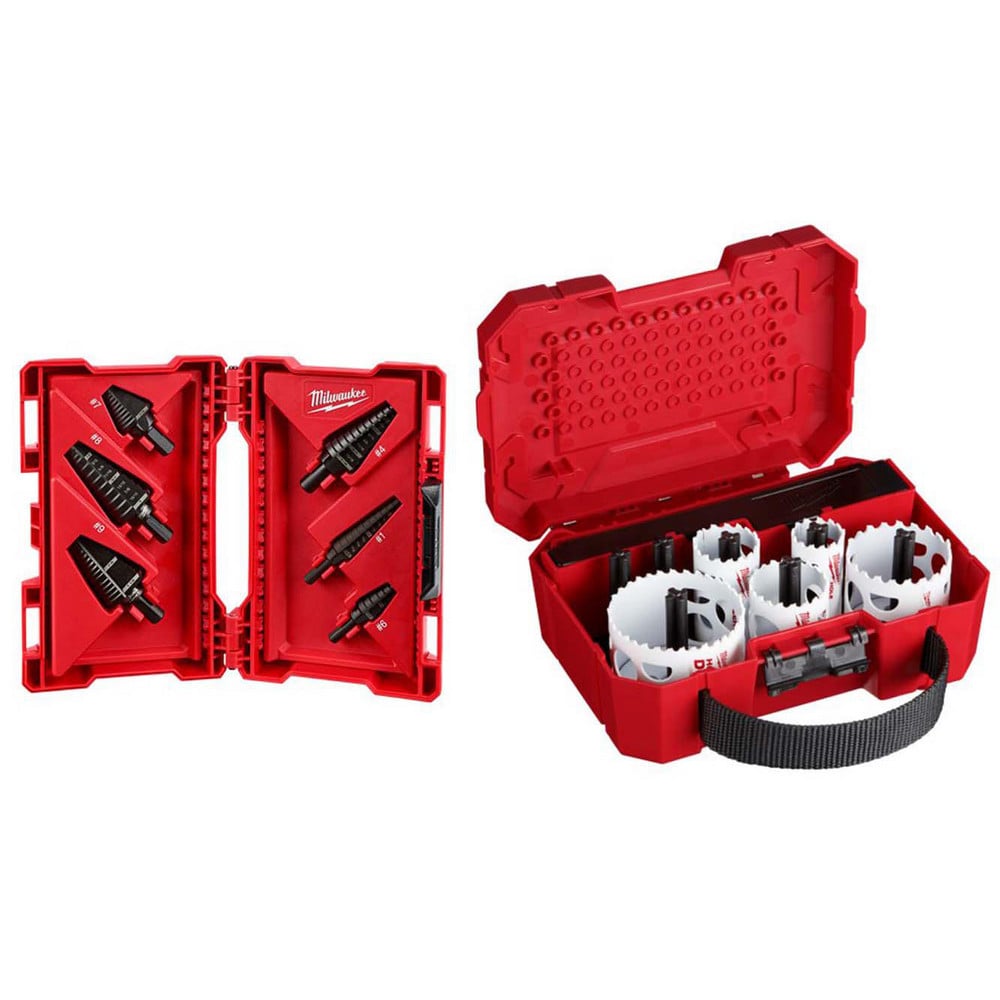
A hole saw is a tool that looks like a small cup with teeth on the edge. It fits on a drill. When you turn the drill on, the teeth cut a round hole in the material. Hole saws come in many sizes, from very small to very large.
Main features of a hole saw:
- Works like a saw, cutting around the edge of a circle
- Made to cut big holes quickly
- Has a center drill bit to help guide it
- Can cut through wood, plastic, metal, and other materials
What Is a Step Drill Bit?
A step drill bit is a cone-shaped bit with steps of different sizes on it. Each step is bigger than the last. You use it by drilling into the material. The bit makes a small hole first, then you drill deeper to make the hole bigger. The size depends on which step you go to.
Main features of a step drill bit:
- Has several hole sizes in one bit
- Good for drilling holes of different sizes without changing bits
- Works well on thin materials like sheet metal
- Drills clean, round holes with smooth edges
How Do They Differ?
Now, let’s compare the two tools in key areas. This will help you know when to use each one.
1. Hole Size Range
Hole saws can cut very large holes, from about 1 inch up to 6 inches or more. Step drill bits usually cover smaller holes, from about 1/8 inch to 1-1/4 inch.
Summary: Hole saws are better for big holes. Step drill bits are for smaller holes.
2. Material Thickness
Hole saws work well on thick materials like wood or thick metal. Step drill bits are best for thin materials, such as sheet metal or plastic sheets. If the material is too thick, the step drill bit might not cut well.
3. Speed And Ease Of Use
Hole saws cut holes quickly but can be harder to start. The center bit helps guide it. Sometimes, the saw can get stuck inside the hole. Step drill bits are easier to control and start drilling. They let you make different hole sizes without changing bits.
4. Hole Quality
Step drill bits make smooth, clean holes with no rough edges. Hole saws can leave rough edges. You might need to sand or clean the hole after cutting with a hole saw.
5. Tool Cost And Setup
Step drill bits are often cheaper because one bit covers many sizes. Hole saws can be more expensive, especially if you buy many sizes. Also, hole saws require a special arbor to hold the saw, adding to cost.
When to Use a Hole Saw?
Use a hole saw if:
- You need a large hole, bigger than 1 inch
- The material is thick, like wood or thick metal
- You want to cut fast
- You have the right tools and space to use a hole saw
When to Use a Step Drill Bit?
Choose a step drill bit if:
- You need holes smaller than about 1-1/4 inch
- The material is thin, such as sheet metal or plastic
- You want to drill different hole sizes without changing bits
- You want cleaner holes with less finishing work
Materials Each Tool Works Best On
| Material | Hole Saw | Step Drill Bit |
|---|---|---|
| Wood | Good for thick wood | Not ideal for thick wood |
| Sheet Metal | Works but slower, may need pilot hole | Excellent for thin sheet metal |
| Plastic | Works well, but can crack thin plastic | Works very well on thin plastic |
| Drywall | Good for large holes | Can work for small holes |

Credit: www.youtube.com
Tips for Using Hole Saws and Step Drill Bits
Hole Saw Tips
- Use a drill with a side handle for better control.
- Start with a small pilot hole if material is hard.
- Keep the drill speed medium to avoid overheating.
- Remove the cut-out piece carefully to avoid jams.
Step Drill Bit Tips
- Use cutting oil on metal to keep bit cool.
- Start slowly and increase speed as you drill.
- Stop drilling when the hole reaches the desired size.
- Clean the bit after use to keep it sharp.
Summary: Which Should You Choose?
Both hole saws and step drill bits have good uses. It depends on your project and material.
- Need big holes? Choose a hole saw.
- Working on thin metal or want many hole sizes? Go for a step drill bit.
- Want smooth holes with less work? Step drill bit wins.
- Want faster cutting of thick materials? Hole saw is better.
Think about the hole size, material, and how many holes you need. This will help you pick the right tool.
Credit: www.mscdirect.com
Final Thoughts
Making holes is a common job in many projects. Using the right tool makes the job easier and cleaner. Hole saws and step drill bits both have places in your toolbox. Know their strengths and limits. This helps you work smarter, not harder.
Frequently Asked Questions
What Is The Main Difference Between Hole Saw And Step Drill Bit?
A hole saw cuts large holes with a circular blade. A step drill bit drills multiple hole sizes with steps.
Which Tool Is Better For Metal Drilling, Hole Saw Or Step Drill Bit?
Step drill bits work better on thin metal sheets. Hole saws suit thicker metals and wood.
Can A Hole Saw Create Clean Holes Like A Step Drill Bit?
Hole saws can leave rough edges that need finishing. Step drill bits give cleaner, smoother holes.
Is A Step Drill Bit Suitable For Wood Or Plastic?
Step drill bits work well on thin wood and plastic. For thick wood, a hole saw is best.