Drilling stainless steel is notorious for its challenges—rapid tool wear, excessive heat, and the risk of workpiece deformation are just a few obstacles machinists encounter. Whether you’re a professional fabricator, a manufacturing engineer, or a skilled hobbyist, selecting the right cutting oil is pivotal for success. The unique properties that make stainless steel so valuable—strength, corrosion resistance, and work-hardening tendencies—also make it one of the most difficult materials to machine efficiently. The right cutting oil can mean the difference between a clean, precise hole and a broken drill bit.
But with dozens of product categories, formulations, and application methods to choose from, how do you ensure optimal performance and tool longevity? This comprehensive guide dives deep into the science, selection, and application of cutting oil specifically for drilling stainless steel.
We’ll examine the types of cutting fluids, their chemistry, real-world case studies, and actionable best practices—empowering you to make informed decisions that protect your tools, boost productivity, and deliver superior results.
Key Takeaways
- Cutting oil is essential for drilling stainless steel, reducing heat and friction to extend tool life and improve surface finish.
- Different types of cutting oils—mineral, synthetic, semi-synthetic, and vegetable-based—offer distinct advantages for specific drilling scenarios.
- Correct oil selection depends on stainless steel grade, drill type, speed, and operation scale.
- Application method and oil maintenance are critical for maximizing performance and ensuring worker safety.
- Real-world examples demonstrate that the right cutting oil can increase drilling speed by up to 50% and reduce tool wear by as much as 30%.
- Regular monitoring and proper disposal of used cutting oil ensure environmental compliance and long-term shop efficiency.

Credit: www.ttp-hard-drills.net
Understanding The Challenges Of Drilling Stainless Steel
Drilling stainless steel is a demanding task that tests the limits of even the most robust equipment. Its unique metallurgical properties require a carefully considered approach—especially when it comes to lubrication and cooling.
Why Stainless Steel Is Difficult To Drill
Stainless steel’s work-hardening ability makes it an asset in harsh environments, but a headache in the workshop. As the drill bit contacts the metal, the area around the point of contact hardens rapidly, increasing resistance and generating heat. This cycle of heat and hardening can cause:
- Rapid tool wear and potential breakage
- Poor hole quality and dimensional inaccuracies
- Thermal expansion and material distortion
The Role Of Heat And Friction
Excessive heat is the primary enemy during drilling. Without proper cooling and lubrication, temperatures can soar above 600°F (315°C) at the cutting edge, leading to:
- Loss of drill bit hardness (especially in High-Speed Steel and carbide bits)
- Welded chips and galling on the tool and workpiece
- Surface discoloration and rough finishes
The Importance Of Chip Removal
Efficient chip evacuation is crucial. Chips that bind or weld to the tool can:
- Cause the drill bit to seize or break
- Leave scratches on the workpiece
- Compromise the accuracy of drilled holes
Case Study: Tool Wear Reduction In Aerospace Machining
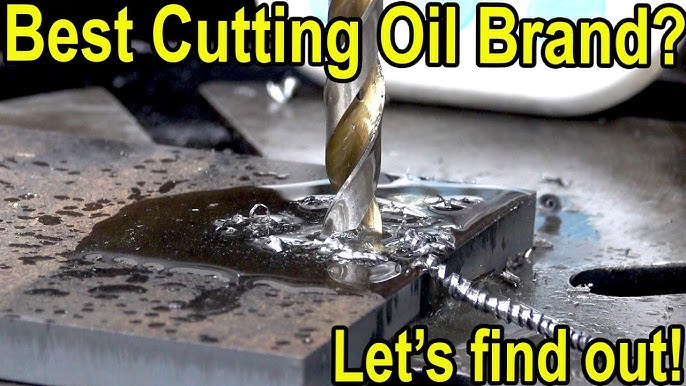
In a 2026 study published by the Journal of Materials Processing Technology, a leading aerospace manufacturer reduced drill bit wear by 32% and improved hole quality by switching to a high-performance, sulfur-based cutting oil for drilling 316 stainless steel. The manufacturer reported fewer tool changes and a 20% increase in throughput, underscoring the impact of proper lubrication.
Credit: www.youtube.com
Types Of Cutting Oils For Drilling Stainless Steel
Choosing the right cutting oil is essential for optimizing drilling operations. Each type of cutting oil brings unique properties that suit specific applications, tool materials, and shop environments.
Mineral Oil-based Cutting Fluids
Mineral oils are the most traditional lubricants used in metalworking. These are derived from petroleum and often contain additives for enhanced performance.
- Advantages: Good lubricity, affordable, readily available.
- Drawbacks: Can smoke or burn at high temperatures, pose environmental disposal challenges.
Synthetic Cutting Fluids
Synthetic oils are engineered from chemical compounds rather than crude oil, offering tailored performance for high-demand applications.
- Advantages: Excellent cooling, low residue, less smoke.
- Drawbacks: May provide less lubricity than mineral-based oils, can be more expensive.
Semi-synthetic Cutting Fluids
Semi-synthetics combine the benefits of mineral and synthetic oils, offering a balance between lubricity and cooling.
- Advantages: Versatile, good tool life, moderate cost.
- Drawbacks: May require more frequent monitoring and maintenance.
Vegetable-based Cutting Oils
Vegetable oils are increasingly popular due to their biodegradability and high lubricity.
- Advantages: Environmentally friendly, excellent lubricity, low toxicity.
- Drawbacks: Can oxidize or go rancid over time, sometimes less effective in high-speed operations.
Comparison Table: Cutting Oil Types
| Oil Type | Lubricity | Cooling Ability | Environmental Impact | Cost | Best Use Case |
|---|---|---|---|---|---|
| Mineral Oil | Good | Moderate | Medium | Low | General-purpose drilling |
| Synthetic | Moderate | Excellent | Low | High | High-speed, precision drilling |
| Semi-Synthetic | Good | Good | Medium | Moderate | Versatile, mixed operations |
| Vegetable-Based | Excellent | Moderate | Very Low | Moderate | Eco-friendly, manual drilling |
Case Example: Food-grade Cutting Oil In Medical Device Manufacturing
A medical device manufacturer switched to a vegetable-based, food-grade cutting oil for drilling surgical stainless steel parts. This change was driven by regulatory requirements for biocompatibility and environmental safety. The facility experienced reduced skin irritation among workers and reported comparable tool life to traditional mineral oils, while simplifying waste disposal protocols.

Credit: kongfangmetal.com
Key Properties Of Effective Cutting Oil For Stainless Steel
Not all cutting oils are created equal. For stainless steel, the right oil must address specific challenges such as work hardening, high heat generation, and the need for clean finishes.
High Lubricity
Lubricity—the ability to minimize friction—directly impacts tool life and surface finish. Oils with high lubricity form a protective film, reducing metal-to-metal contact and preventing galling.
- Additives: Sulfur, chlorine, and phosphorus compounds are common for boosting lubricity, especially in extreme pressure scenarios.
Superior Cooling Capacity
Cooling is vital to control the high temperatures generated during drilling. Oils with high cooling capacity quickly absorb and dissipate heat, protecting both the tool and workpiece.
- Oil Viscosity: Lower viscosity fluids typically provide better cooling but may sacrifice some lubricity.
Chemical Compatibility With Stainless Steel
Cutting oil must not react adversely with the alloy, as some additives can stain or corrode stainless steel.
- Staining Risk: Chlorinated oils can sometimes leave residues that require additional cleaning, especially in critical applications.
Resistance To Oxidation And Degradation
Oils that resist oxidation maintain their effectiveness over longer periods, reducing the frequency of fluid changes and maintenance.
- Stability: Synthetic and semi-synthetic oils typically outperform mineral oils in resisting breakdown at high temperatures.
Example: Additive Impact On Drilling Performance
A published study by ResearchGate compared sulfurized and non-sulfurized cutting oils for drilling 304 stainless steel. The sulfurized oil reduced average tool wear by 28% and improved surface roughness values by 20%, attributed to the formation of a protective boundary film under extreme pressure.
How To Select The Right Cutting Oil For Your Application
Selecting a cutting oil for drilling stainless steel involves balancing operational requirements, safety, and environmental considerations.
Assessing The Stainless Steel Grade
Different grades of stainless steel exhibit varying machining characteristics. For example:
- Austenitic (e.g., 304, 316): Prone to work hardening, requires high-lubricity oils with extreme pressure additives.
- Martensitic (e.g., 410, 420): Harder, may benefit from enhanced cooling.
- Ferritic (e.g., 430): Easier to machine, less demanding on oil properties.
Evaluating Drill Type And Speed
- High-Speed Steel (HSS) Bits: Need robust lubrication at moderate cutting speeds.
- Carbide Bits: Withstand higher temperatures, can use oils with superior cooling characteristics.
- Drill Speed and Feed Rates: Higher speeds favor synthetic or semi-synthetic oils for better heat dissipation.
Considering Operation Scale
- Manual Drilling: Small-scale operations may prefer easy-to-apply, vegetable-based oils for convenience and safety.
- CNC/Production Drilling: Automated systems benefit from oils with stable performance, low foaming, and easy filtration.
Environmental And Regulatory Factors
Shops must consider waste disposal regulations and potential worker health impacts. For example, chlorinated oils may be restricted due to their environmental footprint.
Table: Recommended Cutting Oils By Application
| Application | Recommended Oil Type | Key Properties | Notes |
|---|---|---|---|
| Manual Bench Drilling | Vegetable-Based | High lubricity, safe handling | Easy cleanup |
| Automated CNC Drilling | Semi-Synthetic | Stable performance, good cooling | Low foaming |
| High-Speed Production | Synthetic | Excellent cooling, low residue | Higher cost |
| Critical Surface Finish | Sulfurized Mineral Oil | Extreme pressure additives | May require post-cleaning |
Example: Large-scale Manufacturing
A Tier 1 automotive supplier transitioned from a general-purpose mineral oil to a semi-synthetic cutting fluid for mass-drilling stainless steel exhaust components. The change resulted in a 15% increase in tool life and a 40% reduction in fluid consumption, thanks to better cooling and lower evaporation rates.
This switch also reduced downtime for fluid changes, improving the plant’s overall equipment effectiveness (OEE).
Best Practices For Applying Cutting Oil In Stainless Steel Drilling
Proper application is as critical as oil selection. Even the highest-quality oil can fail to deliver results if not used correctly.
Application Methods
- Brush-On/Manual Application: Best for low-volume, manual drilling jobs. Apply directly to the drill point and hole entrance.
- Drip and Flood Systems: Suitable for production environments. Delivers a continuous stream of oil to the cutting zone.
- Mist Systems: Aerosolize the oil, providing cooling and lubrication for high-speed, low-volume cuts.
- Through-Spindle Delivery: In advanced CNC machines, oil is pumped through the drill for maximum efficiency and chip evacuation.
Quantity And Frequency
- Apply enough oil to keep the cutting zone wet at all times.
- For deep-hole drilling, reapply oil periodically to flush chips and maintain lubrication.
- Avoid excessive oil that can cause splashing or obscure the work area.
Oil Maintenance And Filtration
- Regular filtration prevents chip buildup, which can degrade oil performance.
- Monitor oil for contamination, rancidity (in vegetable oils), and viscosity changes.
- Change oil according to manufacturer guidelines or when visual and olfactory cues (such as darkening or foul odor) appear.
Health And Safety Considerations
- Use cutting oils in well-ventilated areas to minimize inhalation of fumes.
- Wear gloves and eye protection when handling cutting oils, especially those with sulfur, chlorine, or phosphorus additives.
- Dispose of used oils according to local environmental regulations.
Example: Mist Application In Electronics Manufacturing
A precision electronics manufacturer adopted a mist lubrication system using synthetic cutting oil for drilling small-diameter holes in stainless steel enclosures. This approach reduced oil consumption by 60% and minimized cleaning time, while maintaining high-quality hole finishes and consistent drill bit performance.
Cutting Oil Additives: Enhancing Performance For Stainless Steel
Additives are the secret weapon in modern cutting oils, delivering targeted enhancements for stainless steel machining.
Sulfurized Additives
Sulfur forms a protective layer under extreme pressure, preventing metal-to-metal welding and reducing tool wear.
- Benefits: Essential for drilling tough, work-hardening grades like 304 and 316 stainless steel.
- Drawbacks: May produce unpleasant odors and can stain some alloys if not properly formulated.
Chlorinated Additives
Chlorine improves boundary lubrication, particularly in low-speed, high-pressure applications.
- Benefits: Excellent for deep-hole drilling.
- Drawbacks: Environmental concerns and disposal restrictions in many regions.
Phosphorus-based Additives
Phosphorus boosts lubricity and extreme pressure performance, often used in combination with sulfur and chlorine.
- Benefits: Enhances tool life and surface finish.
- Drawbacks: Potential for environmental impact if not managed.
Anti-oxidants And Biocides
Anti-oxidants extend oil life by preventing degradation, while biocides inhibit bacterial growth in water-based fluids.
- Benefits: Prolongs fluid usability, reduces maintenance costs.
- Drawbacks: Some biocides may cause skin irritation.
Table: Common Cutting Oil Additives And Their Effects
| Additive | Purpose | Effect on Drilling Stainless Steel | Notes |
|---|---|---|---|
| Sulfur | Extreme Pressure Lubrication | Reduces tool wear, prevents galling | May stain; strong odor |
| Chlorine | Boundary Lubrication | Improves chip flow, reduces friction | Restricted use in some regions |
| Phosphorus | Lubricity Enhancement | Improves surface finish | Used in combination |
| Anti-Oxidant | Oil Stability | Prevents breakdown at high temp | Extends oil life |
| Biocide | Microbial Control | Prevents rancidity in water-based oils | Monitor for irritation |
Environmental And Safety Considerations In Cutting Oil Use
As regulations tighten and sustainability becomes a priority, shops must balance performance with environmental responsibility.
Safe Handling And Storage
- Store cutting oils in clearly labeled, sealed containers.
- Keep oils away from direct sunlight and extreme temperatures to prevent degradation.
- Implement spill containment measures to avoid workplace hazards.
Disposal And Recycling
- Follow local regulations for the disposal of used oils; some oils may be recycled or re-refined.
- Consider oil skimmers and filtration units to extend oil life and minimize waste.
Minimizing Worker Exposure
- Use personal protective equipment (PPE) such as gloves and goggles.
- Install proper ventilation or mist extraction systems to reduce inhalation risks.
Regulatory Compliance
- Be aware of OSHA and EPA guidelines regarding cutting oil use, storage, and disposal (OSHA Guidance).
- Choose low-toxicity, biodegradable oils when possible to simplify compliance.
Example: Regulatory Impact In The Eu
The European Union’s REACH regulations have significantly curtailed the use of chlorinated cutting oils due to their environmental persistence. Many manufacturers have transitioned to chlorine-free, vegetable-based oils that meet both performance and safety standards, demonstrating that eco-friendly options can match or exceed traditional oil performance.
Troubleshooting Common Drilling Problems With Cutting Oil
Even with the best cutting oil, issues can arise. Knowing how to diagnose and resolve them ensures uninterrupted, high-quality production.
Premature Tool Wear
- Possible Causes: Inadequate lubrication, wrong oil type, excessive drilling speed.
- Solutions:
- Increase oil application frequency or switch to oil with higher lubricity.
- Reduce drilling speed or increase feed rate slightly to avoid work hardening.
Poor Surface Finish
- Possible Causes: Insufficient cooling, contaminated oil, improper additives.
- Solutions:
- Use oil with superior cooling capacity (synthetic or semi-synthetic).
- Regularly filter and change oil to remove debris and contaminants.
Excessive Smoke Or Odor
- Possible Causes: Overheating, oil degradation, high sulfur content.
- Solutions:
- Lower spindle speed or switch to oil with higher thermal stability.
- Ensure proper ventilation and consider oils with lower odor additives.
Staining Or Corrosion On Workpiece
- Possible Causes: Chlorinated or sulfurized additives reacting with stainless steel.
- Solutions:
- Switch to non-staining oil; thoroughly clean parts after drilling.
- Use corrosion inhibitors or passivate parts post-machining.
Chip Jamming
- Possible Causes: Inadequate chip evacuation, oil viscosity too high.
- Solutions:
- Use lower viscosity oil or increase application rate.
- Employ peck drilling technique to clear chips between passes.
Example: Reducing Odor In A Job Shop
A small fabrication shop experienced strong odors using a sulfurized mineral oil for drilling 316 stainless steel. By switching to a modern, low-odor semi-synthetic oil with phosphorus-based additives, the shop maintained tool life while improving air quality for its workers.
Frequently Asked Questions
What Type Of Cutting Oil Is Best For Drilling Stainless Steel?
For most stainless steel grades, sulfurized mineral oils or high-performance semi-synthetic oils with extreme pressure additives are recommended. They provide the necessary lubricity and cooling to minimize tool wear. In regulated or eco-sensitive settings, vegetable-based oils designed for stainless steel are a strong alternative.
Can I Drill Stainless Steel Without Cutting Oil?
While it is possible, drilling stainless steel without cutting oil leads to rapid tool wear, excessive heat, and poor hole quality. Always use an appropriate cutting oil for best results, especially with harder or work-hardening grades.
How Often Should Cutting Oil Be Changed Or Filtered?
Cutting oil should be filtered regularly to remove metal chips and contaminants. Change intervals depend on usage, but a general guideline is to replace oil when it becomes dark, thick, smells rancid, or if you notice decreased drilling performance.
Are Vegetable-based Cutting Oils As Effective As Mineral Oils?
Modern vegetable-based cutting oils can match or exceed the lubricity of mineral oils, especially in manual or low-speed drilling. They also offer environmental and health advantages. However, for high-speed, large-scale operations, semi-synthetic or synthetic oils may still provide better cooling and longevity.
What Safety Precautions Should I Take When Using Cutting Oil?
Wear gloves and eye protection, work in a well-ventilated area, and follow all manufacturer safety guidelines. Properly store and dispose of cutting oils to avoid spills, fire hazards, and environmental violations. Refer to safety data sheets (SDS) for specific handling instructions.