When you want to drill a hole in wood or other materials, you have many tools to choose from. Two common tools are the hole saw and the spade bit. Both can make holes, but they work in different ways. This guide will help you understand the differences between a hole saw and a spade bit. You will learn how to use each one and when to pick one over the other.
What Is a Hole Saw?
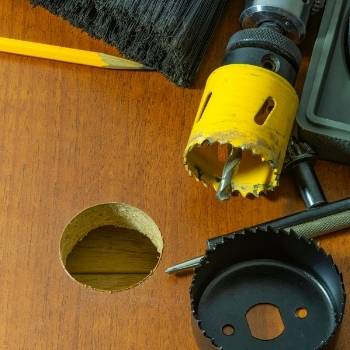
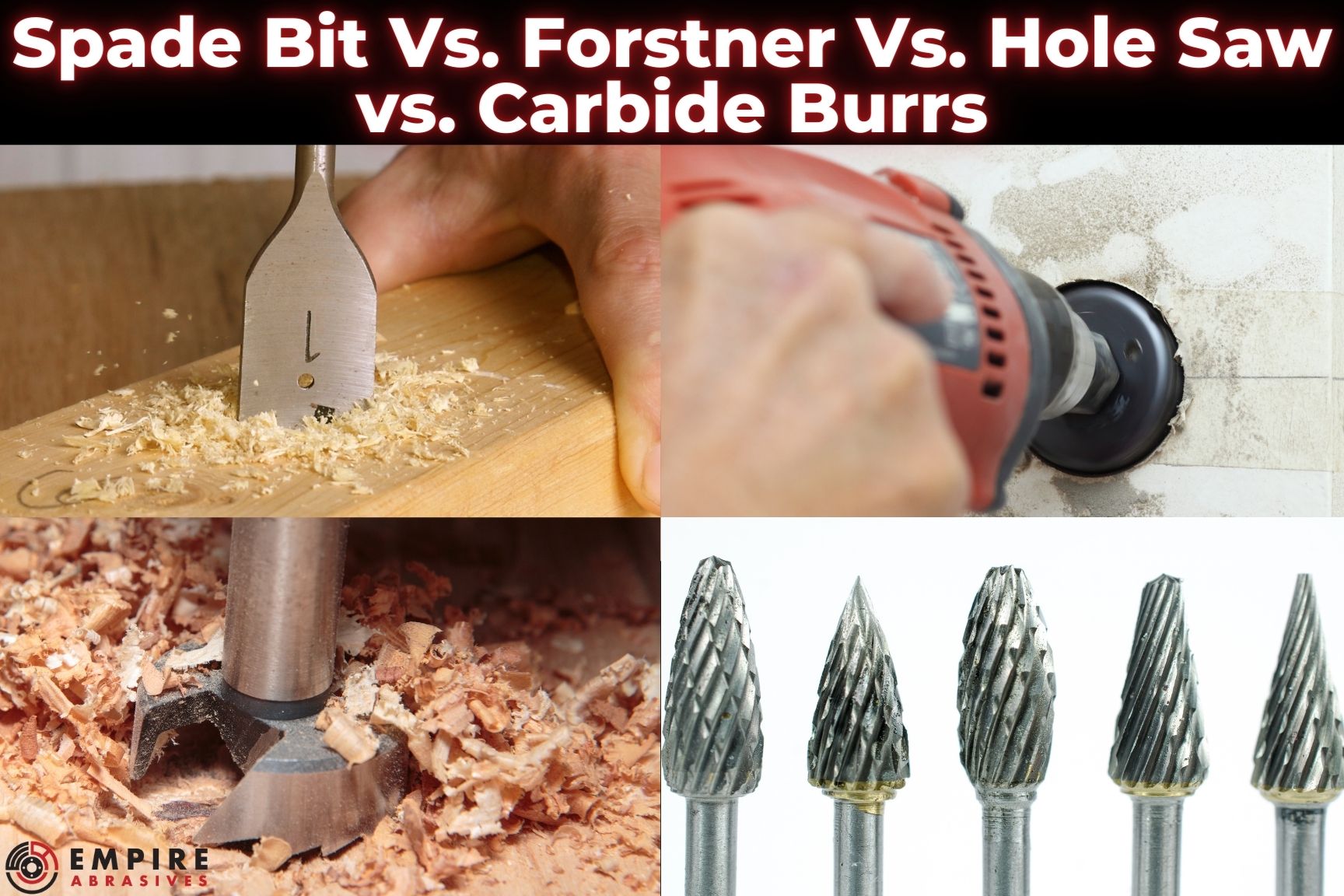
A hole saw is a round, hollow drill bit. It looks like a small cup with sharp teeth on the edge. The hole saw cuts a ring around the hole. It removes a circle of material, leaving a core or plug inside the cup. This tool is often used with a drill.
Hole saws come in many sizes. You can find them from ¾ inch to 6 inches or even bigger. They are good for making big holes, such as for pipes, door hardware, or wires.
How Does A Hole Saw Work?
The hole saw spins fast. Its teeth cut the material in a circle. The center of the saw has a small drill bit. This bit helps guide the saw and keeps it steady as it drills. The hole saw cuts only the edge of the hole, not the whole area inside.
What Is a Spade Bit?
A spade bit is a flat drill bit with a sharp point in the middle. It has two flat, wide cutting edges on each side. It looks a bit like a small paddle or spade, which is why it is called a spade bit.
Spade bits usually come in sizes from ¼ inch to 1 ½ inches. They are good for making medium to small holes in wood and soft materials.
How Does A Spade Bit Work?
The spade bit spins quickly. The sharp point at the center helps start the hole. The flat edges cut away the wood. The bit removes all the material inside the hole, not just the edges.
Key Differences Between Hole Saw and Spade Bit
| Feature | Hole Saw | Spade Bit |
|---|---|---|
| Shape | Hollow, round cup with teeth | Flat paddle-shaped with a sharp point |
| Size Range | Large holes (¾” to 6” or more) | Small to medium holes (¼” to 1 ½”) |
| Material Removal | Only the edge, core stays inside cup | All material inside hole is removed |
| Best For | Large holes in wood, metal, plastic | Small to medium holes in wood and soft materials |
| Speed | Slower cutting | Faster cutting |
| Finish | Smoother edge | Rougher edge, may need sanding |
| Cost | More expensive | Less expensive |
When to Use a Hole Saw
Use a hole saw when you need big, clean holes. For example, if you want to install a door lock or run pipe through a wall, a hole saw works well. It cuts smooth holes with less damage to the material.
Hole saws work on wood, plastic, and some metals. They are best for holes larger than 1 ½ inches. Also, hole saws help keep the core piece intact, which you can use later or remove easily.
When to Use a Spade Bit
Spade bits are great for smaller holes. If you need to drill holes for wires, screws, or small pipes, a spade bit works fine. It drills faster than a hole saw, so you save time.
Spade bits work best in wood or soft materials. They do not work well on metal or hard plastics. The hole edges may be rough, so you might need to clean the hole after drilling.
Advantages of Hole Saw
- Makes clean, round holes
- Works on many materials
- Good for large diameter holes
- Core plug stays inside for easy removal
- Less chance of wood splintering
Advantages of Spade Bit
- Fast drilling speed
- Less expensive
- Simple design and easy to use
- Good for small to medium holes
- Fits most standard drills
Disadvantages of Hole Saw
- Slower than spade bit
- More expensive
- Can be heavy and bulky
- Needs strong drill for large sizes
- Core plug must be removed carefully
Credit: www.empireabrasives.com
Disadvantages of Spade Bit
- Leaves rough hole edges
- Not good for large holes
- Not suitable for metal or hard materials
- Can cause splintering in wood
- Less precise hole size
Tips for Using Hole Saws
- Use a drill with enough power.
- Start drilling slowly to avoid slipping.
- Keep the drill steady and straight.
- Clear debris often to prevent clogging.
- Wear safety glasses to protect your eyes.
Tips for Using Spade Bits
- Use a drill with variable speed.
- Start at low speed, then increase.
- Hold the drill firmly to avoid wobbling.
- Be ready for rough edges; sand if needed.
- Wear safety gear to protect yourself.
How to Choose Between Hole Saw and Spade Bit
Think about the size of the hole you need. If it is big, go for a hole saw. If it is small or medium, a spade bit may be better.
Consider the material. Use a hole saw for wood, plastic, and metal. Use a spade bit mainly for wood.
Think about the finish you want. Hole saws make smoother holes. Spade bits make faster but rougher holes.
Also, check your drill. Some drills work better with one bit than the other.
Credit: www.empireabrasives.com
Frequently Asked Questions
What Is The Main Difference Between Hole Saw And Spade Bit?
A hole saw cuts large, clean holes while a spade bit drills faster but rougher holes. Hole saws work well for wood and metal. Spade bits are best for wood only.
Which Tool Is Better For Cutting Large Holes?
Hole saws are better for large holes. They create clean, smooth edges. Spade bits work for smaller holes or rough cuts.
Can I Use A Spade Bit On Metal?
Spade bits are not designed for metal. They work best on wood or soft materials. Use a hole saw for metal cutting.
Are Hole Saws More Expensive Than Spade Bits?
Hole saws usually cost more than spade bits. They are more complex and last longer. Spade bits are cheaper but wear out faster.
Conclusion
Both hole saws and spade bits are useful tools. They have different jobs. Hole saws are best for big, clean holes. Spade bits are good for small, quick holes in wood.
Choosing the right tool depends on your project. Consider the hole size, material, and finish you want. Use the right bit for the job to save time and effort.
Now you know the key differences between hole saws and spade bits. Pick the tool that fits your needs. Happy drilling!