Can You Use A Hammer Drill To Remove Lug Nuts?
If you’ve ever faced a flat tire on the side of the road or tried to rotate your own tires, you know that removing lug nuts can be a real challenge. Most car owners reach for a lug wrench, while some invest in an impact wrench. But what if you only have a hammer drill lying around? It’s a powerful tool, after all. Can you use a hammer drill to remove lug nuts safely and efficiently? Or is this a shortcut that could lead to disaster or damaged equipment?
This article takes a clear look at the differences between hammer drills and the right tools for lug nuts. You’ll learn what really happens if you try this, the risks involved, and what alternatives make more sense. If you want to avoid frustration, wasted money, and potential car damage, keep reading for honest answers and expert advice.
Understanding Hammer Drills And Lug Nuts
Before trying any tool for a job, it’s critical to know how it works—and why it was designed that way.
What Is A Hammer Drill?
A hammer drill is an electric or battery-powered tool designed for drilling holes in hard surfaces, especially concrete, brick, and stone. It combines two actions:
- Rotary motion: Spins the drill bit.
- Hammering action: Rapid, forward-and-back motion that helps break up tough materials.
This hammering force is measured in BPM (blows per minute), and is mainly directed in line with the bit, not sideways.
What Are Lug Nuts?
Lug nuts are specialized fasteners that hold your car’s wheels onto the hubs. They must stay tight under extreme conditions—driving over bumps, turning corners, or stopping suddenly. Most car lug nuts require a lot of torque to loosen or tighten, usually between 80 and 100 foot-pounds (108–135 Nm), but some trucks need even more.
How Hammer Drills Differ From Impact Wrenches
It’s easy to confuse a hammer drill with an impact wrench. Both make a lot of noise, and both use the word “hammer.” But the way they deliver force is completely different:
| Feature | Hammer Drill | Impact Wrench |
|---|---|---|
| Primary Use | Drilling into masonry | Loosening/tightening fasteners |
| Motion Type | Rotational + in-line hammering | Rotational + tangential impact |
| Torque Output | Low (rarely above 50 ft-lbs) | High (often 100–1000+ ft-lbs) |
| Bit/Socket Compatibility | Designed for drill bits | Designed for sockets |
| Typical Chuck | 3-jaw or SDS | ½” square drive |
A hammer drill is not built for twisting power. An impact wrench is. That difference matters.
Why Hammer Drills Are Not Suited For Lug Nuts
Some DIYers wonder if they can “hack” their hammer drill into a tool for lug nuts, especially when they don’t own an impact wrench. The answer is almost always no. Here’s why.
Direction Of Force
The “hammering” part of a hammer drill pushes inward (down the drill bit), not sideways. Lug nuts need a rotational impact—a sudden twisting force—to break loose, not a pounding force along the axis. This makes the hammer action almost useless for lug nut removal.
Torque Limitations
Most hammer drills max out at 30–50 foot-pounds of torque. That’s less than half the force needed for most car lug nuts. Even high-end models rarely reach the required torque, and when they do, it’s not delivered in the right way.
Chuck And Socket Issues
Hammer drills use a drill chuck or SDS system meant for round or slotted bits, not sockets. Even if you use a chuck adapter for sockets, it’s not designed for high-torque use. This can lead to:
- Slipping
- Stripped adapters
- Potential injury
Tool Damage And Safety
Using tools outside their intended purpose creates risk. Hammer drills are not engineered to withstand repeated, high-torque applications. You might:
- Break the chuck or adapter
- Damage the motor
- Void the warranty
- Hurt your wrist from sudden slips
Real-world Example
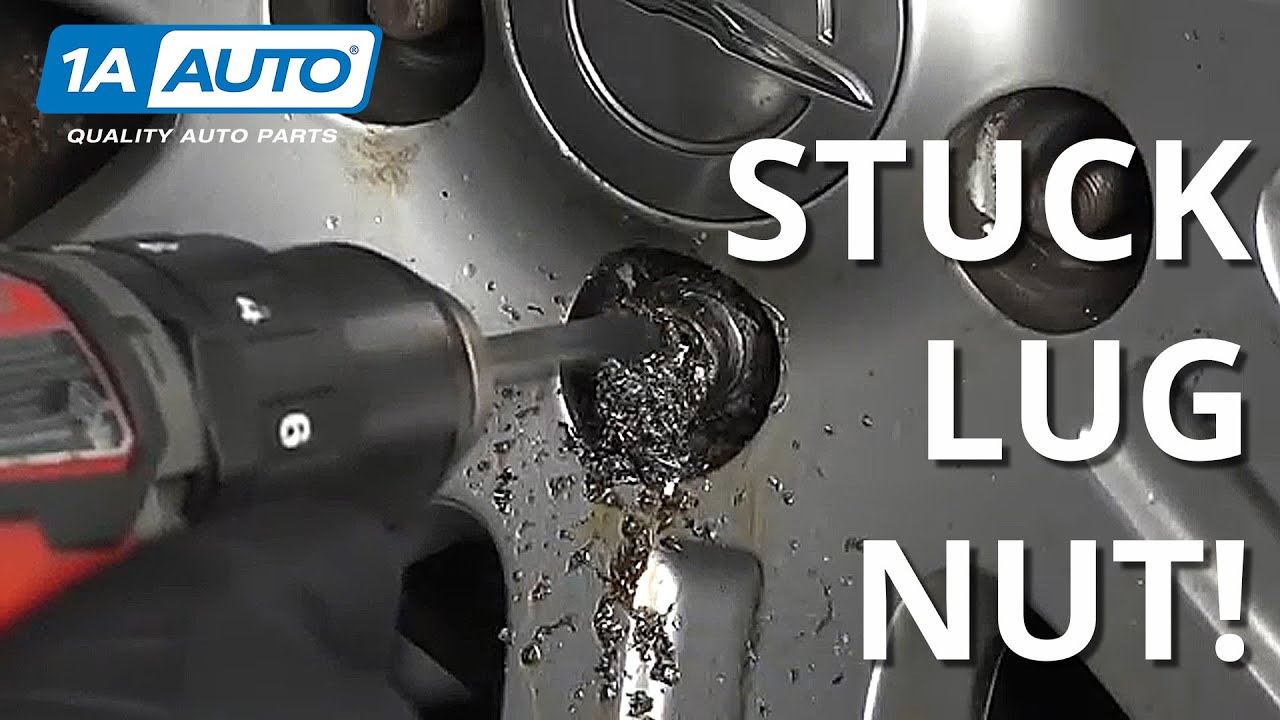
A user on a major automotive forum shared his attempt: he attached a socket adapter to his hammer drill, switched to “hammer” mode, and tried to loosen a lug nut. The result? The adapter snapped, the lug nut didn’t budge, and the drill’s chuck was never the same. This is a common story, not a rare accident.
Credit: www.youtube.com
What Really Happens If You Try
Some people will still try using a hammer drill out of curiosity or necessity. What can you expect if you do?
Immediate Results
- Lug nut may not move at all: Most lug nuts are torqued tighter than a hammer drill can handle.
- Socket adapter may break: These adapters are not built for high load.
- Chuck can loosen: The rotational force can cause the drill’s chuck to unscrew itself.
Potential Damage
- Tool damage: Stripped gears, overheated motors, and bent chucks are possible.
- Injury: If the adapter breaks, it can send sharp metal spinning.
- Damaged lug nuts: Rounding off the edges of the nut makes future removal even harder.
Why Results Vary
If your lug nuts are rusted, cross-threaded, or over-torqued, a hammer drill will not help. Sometimes, freshly installed, lightly torqued nuts may move, but this is rare and still risky.
The Right Tools For Removing Lug Nuts
For safe and efficient removal, you need a tool designed to deliver rotational impact and high torque.
Manual Lug Wrench
- Included with most cars
- Simple, reliable
- Uses your body weight for leverage
The classic “L” shaped wrench or a four-way cross wrench works for most situations, though it requires effort.
Impact Wrench
- Air or electric powered
- High torque (100–1000+ ft-lbs)
- Designed for sockets
This is the fastest and safest tool for stubborn or rusted lug nuts. Most tire shops use these.
Breaker Bar
- Long-handled tool
- Maximum leverage
- No moving parts
A breaker bar is a simple steel bar, often 18–24 inches long. You can add a pipe for more leverage if needed.
Impact Driver
- Smaller than an impact wrench
- Lower torque (usually 100–200 ft-lbs)
- Good for smaller cars or lightly torqued nuts
Many cordless impact drivers can remove lug nuts if they deliver enough torque, but always check the specs.
Comparison Of Tool Effectiveness
To see how different tools perform, consider the following table:
| Tool | Torque Range | Designed for Lug Nuts? | Risk of Damage | Ease of Use |
|---|---|---|---|---|
| Hammer Drill | 30–50 ft-lbs | No | High (to tool and nut) | Low |
| Lug Wrench | User-controlled | Yes | Low | Medium (requires effort) |
| Impact Wrench | 100–1000+ ft-lbs | Yes | Low | High |
| Breaker Bar | User-controlled | Yes | Low | Medium |
| Impact Driver | 100–200 ft-lbs | Sometimes | Medium | High |
Credit: www.retrocross.co
Common Mistakes And Misconceptions
It’s easy to misunderstand tool labels or listen to bad advice online. Here are the most common mistakes people make:
- Confusing hammer drills with impact drivers or wrenches: Just because the word “impact” or “hammer” is there, doesn’t mean the tool is interchangeable.
- Using adapters to fit sockets on drills: These adapters are for light work only, not for high-torque applications.
- Overestimating drill power: Even the most powerful cordless hammer drill is not made for automotive lug nuts.
- Ignoring the risk of injury: Broken adapters or flying metal pieces can cause serious harm.
- Voiding tool warranties: Manufacturers often exclude damage caused by misuse.
- Rounding off lug nuts: Using the wrong tool can damage the nut, making it nearly impossible to remove later—even with the right tools.
Can You Use A Hammer Drill In Drill Mode Only?
Some hammer drills have a “drill only” mode. You might wonder if this is better. Unfortunately, it isn’t. In standard drill mode, you only get rotary motion and very little torque. Most hammer drills are geared for high speed, low torque—the opposite of what you need for lug nuts. At best, you’ll spin the nut and round off the edges; at worst, you’ll damage your tool.
What About Corded Vs Cordless Hammer Drills?
Corded hammer drills are sometimes more powerful than cordless models. However, their design still focuses on drilling, not high-torque fastening. Torque ratings rarely exceed 50 ft-lbs. They also have the same chuck and adapter limitations. The only advantage is longer run time, but this doesn’t help with stubborn lug nuts.
Are There Any Safe Workarounds?
If you absolutely must try to remove a lug nut and only have a hammer drill, consider these tips—but remember, this is not recommended:
- Use a high-quality socket adapter (hardened steel, rated for impact).
- Set the drill to its lowest speed and highest torque.
- Wear safety goggles and gloves.
- Stop immediately if you hear slipping, snapping, or see the adapter flex.
- Check your car’s manual for lug nut torque specs.
- Try soaking the lug nut in penetrating oil for 10–15 minutes before attempting removal.
Still, the chance of success is low, and the risk to your tool is high.
Why Impact Wrenches Succeed Where Hammer Drills Fail
An impact wrench is built for exactly this task. Its internal mechanism creates rotational impacts—short, powerful bursts of twisting force—directly to the socket, breaking the friction that holds lug nuts tight.
Impact wrenches also use a ½-inch square drive—the same as professional sockets—so there’s no risk of adapters slipping. Their torque output is much higher and more controlled.
Here’s a closer look at how impact wrenches compare to hammer drills:
| Attribute | Hammer Drill | Impact Wrench |
|---|---|---|
| Designed for | Drilling masonry | Removing/tightening bolts & nuts |
| Type of Impact | Linear (in-line) | Rotational (sideways) |
| Torque Output | Low | High |
| Safety | Low (in this use) | High (if used properly) |
| Socket Compatibility | Poor | Excellent |
When You Absolutely Should Not Use A Hammer Drill
Never use a hammer drill on lug nuts if:
- The nuts are rusted or seized
- The nuts were installed by an impact wrench at a shop
- You lack a proper socket adapter
- You’re working on aluminum wheels (risk of damage is higher)
- You care about your tool’s warranty
In these cases, you risk making the situation worse and even needing professional help to repair the damage.
What To Do If You Don’t Have The Right Tool
If you’re stuck without a lug wrench or impact wrench, try these options:
- Ask a neighbor or friend: Many people have a lug wrench in their car.
- Visit a local tire shop: Most will loosen your lug nuts for free or a small fee.
- Buy a breaker bar: They’re inexpensive and sold at auto parts stores.
- Check your trunk: Many cars come with a lug wrench under the spare tire or in a side compartment.
- Look for roadside assistance: If you have AAA or similar coverage, they can help quickly.
Real User Experiences
Car forums and repair communities are full of stories from people who tried using hammer drills on lug nuts. The results are almost always negative:
- “The socket adapter shattered on the first try.”
- “My hammer drill burned out in under 30 seconds.”
- “It made a lot of noise, but the nut didn’t move.”
- “I ruined my lug nut and had to have it drilled out by a pro.”
A few report success on lightly torqued nuts, but most agree the risk is not worth it. Even professionals warn against this shortcut.
How To Remove Stubborn Lug Nuts (the Right Way)
If your lug nuts are stuck, here’s a step-by-step method that doesn’t involve risking your hammer drill:
- Spray with penetrating oil: Wait 10–20 minutes.
- Use a proper socket and breaker bar: Make sure the socket fits snugly.
- Apply steady pressure: Don’t jerk or bounce—just steady, strong pressure.
- If needed, use a pipe for extra leverage: Slide it over the breaker bar handle.
- If still stuck, consult a shop: Sometimes, only an impact wrench can do the job.
Alternative Tools For Diy Tire Changes
If you want to be prepared for roadside emergencies, consider adding these tools to your car kit:
- Compact breaker bar (18–24 inches)
- Torque wrench (for proper reinstallation)
- 4-way lug wrench
- Penetrating oil
- Work gloves
- High-visibility vest (for roadside safety)
These items cost less than replacing a damaged hammer drill or repairing stripped lug nuts.
Expert Insights
Many professional mechanics share the same advice: stick to the right tool for the job. A hammer drill is a great investment for home renovation, but not for car maintenance. The main reason is tool design—not just power or speed. Using the right tool saves time, money, and frustration.
Some beginner mistakes include not recognizing the difference between tool types or believing online “hacks” without understanding the risks. If you’re unsure, ask a mechanic or check your car’s manual.
Final Thoughts
Trying to use a hammer drill to remove lug nuts is a tempting shortcut but almost always leads to disappointment, tool damage, or injury. The forces required, the direction of impact, and the tool’s design all point to the same answer: a hammer drill is the wrong tool for the job. If you want fast, safe, and effective lug nut removal, invest in a proper lug wrench, breaker bar, or impact wrench.
Choosing the right tool not only protects your vehicle and tools but keeps you safe. If you’re not sure, it’s better to ask for help or spend a few dollars on the correct equipment. For more on the difference between these tools, see the in-depth guide at Wikipedia.
Credit: promaxxtool.com
Frequently Asked Questions
Can A Hammer Drill Work As An Impact Wrench In Emergencies?
No, a hammer drill cannot safely replace an impact wrench for lug nuts. It delivers force in the wrong direction and lacks the needed torque. Even in emergencies, it’s safer to use a manual lug wrench or breaker bar.
What Happens If I Use A Socket Adapter On My Hammer Drill?
Socket adapters on hammer drills are not designed for high torque. They often break, slip, or damage the drill’s chuck. This can also round off your lug nuts, making future removal more difficult.
Is It Safe To Use A Hammer Drill On Lightly Torqued Lug Nuts?
While a hammer drill might spin a lightly torqued or hand-tightened lug nut, it is not safe or recommended. There’s still a high risk of damaging the tool or the nut, and you could injure yourself if the adapter fails.
What Is The Best Tool For Removing Stubborn Lug Nuts?
The best tool is an impact wrench for stuck or over-torqued lug nuts. A breaker bar is a good manual alternative. Both provide the required torque and are safe for repeated use.
Should I Buy A Hammer Drill Or Impact Wrench For Car Maintenance?
If your main goal is car maintenance, especially for tires, buy an impact wrench. If you need to drill into masonry, a hammer drill is better. For most car owners, a manual lug wrench or breaker bar is enough for emergencies.