When you see the name Flex Impact, it’s natural to wonder which company is behind these tools. Many consumers assume a single, well-known brand produces them, but the reality is a bit more nuanced. Flex Impact tools are primarily manufactured and distributed by Stanley Black & Decker, a giant in the tools and storage industry. This relationship means Flex Impact benefits from the extensive research, development, and manufacturing capabilities of a global leader.
Understanding who makes Flex Impact tools helps set expectations for quality, innovation, and availability. It also sheds light on the marketing and distribution strategies employed. As we explore this, we’ll also look at the types of tools offered and what makes the Flex Impact line stand out in a crowded market.
The Stanley Black & Decker Connection
Stanley Black & Decker is a powerhouse in the tools sector, owning a wide portfolio of popular brands. These include DeWalt, Stanley, Black+Decker, Craftsman, and Cub Cadet, among others. The acquisition and integration of various tool companies over the years have allowed Stanley Black & Decker to cater to a broad spectrum of users, from professional contractors to DIY enthusiasts.
The Flex Impact line is positioned within this portfolio to offer a specific value proposition. Often, these tools are designed to provide a balance of performance and affordability, leveraging the manufacturing scale of Stanley Black & Decker to keep costs down.
This allows them to compete effectively in segments where price is a significant factor, without compromising too much on the durability and functionality expected from a reputable manufacturer.
How Stanley Black & Decker Manages Brands
Stanley Black & Decker operates a multi-brand strategy. This means each brand, including Flex Impact, often has its own identity, target audience, and product development focus. While they share the underlying manufacturing and quality control standards of the parent company, the branding allows them to connect with different customer groups.
For Flex Impact, this means the tools might be marketed through specific retail channels or have design elements that appeal to a particular user. It’s a common practice for large corporations to diversify their market presence by offering various brands that occupy different niches.
This strategy helps them capture a larger share of the market and appeal to a wider range of consumer needs and preferences.
What Is Flex Impact?
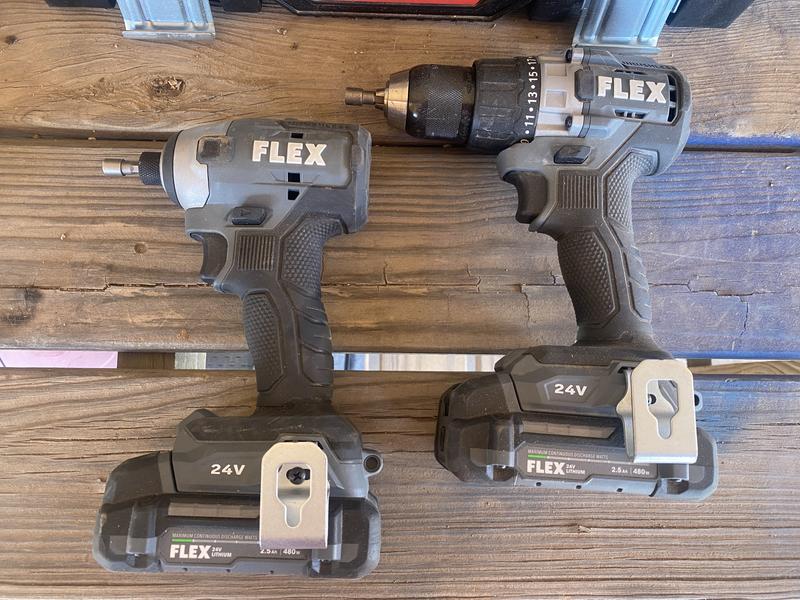
Flex Impact is a brand of power tools and related accessories. The name itself suggests flexibility and impact, hinting at tools that are versatile and capable of handling demanding tasks. The product line typically includes items like drills, impact drivers, saws, and grinders, often sold as individual tools or as part of multi-piece kits.
The tools are generally aimed at the DIY homeowner and the light professional user. They are designed to be reliable for common household projects, renovations, and occasional professional use. While they may not always feature the cutting-edge technology or the extreme durability of professional-grade tools from brands like DeWalt, they offer a solid performance for their price point.
Key Features And Target Audience
Flex Impact tools often emphasize ergonomics and ease of use. This means they are designed to be comfortable to hold and operate, even for extended periods. Features like variable speed control, LED work lights, and lightweight designs are common.
The target audience is broad, encompassing individuals who tackle projects around the house, hobbyists, and those starting in trades who need dependable tools without a significant initial investment. The value proposition is clear: good performance and durability for the money. This makes them an attractive option for budget-conscious consumers who still demand quality.
Manufacturing And Quality Control
Given that Stanley Black & Decker oversees the production, Flex Impact tools benefit from established manufacturing processes and quality control measures. This means that while the tools might be positioned at a more accessible price point, they are still subject to rigorous testing to ensure they meet safety and performance standards.
The company’s global manufacturing footprint allows for efficient production. Tools might be manufactured in various locations, including facilities in Asia, Mexico, and the United States, depending on the specific product and its market. Regardless of the manufacturing location, the overarching quality standards of Stanley Black & Decker are applied.
The Role Of Innovation
While Flex Impact might not always be at the forefront of groundbreaking tool innovation, it does incorporate proven technologies and designs. The focus is often on refining existing popular features and ensuring reliability. This pragmatic approach to innovation ensures that the tools are practical and effective for their intended use.
For instance, advancements in battery technology, motor efficiency, and material science are gradually integrated into the Flex Impact line. This ensures that the tools remain competitive and meet the evolving needs of users who expect modern features and performance. The backing of a company like Stanley Black & Decker provides the resources to implement these improvements.
Where To Buy Flex Impact Tools
Flex Impact tools are widely available through major retailers. You can typically find them at large home improvement stores, online marketplaces, and sometimes through specialized tool distributors. The distribution strategy is designed to make these tools accessible to a broad consumer base, aligning with the brand’s accessible positioning.
The availability in common retail locations makes it easy for consumers to see, touch, and compare Flex Impact tools with other brands. This accessibility is a key part of their market strategy, ensuring that potential buyers can easily find and purchase the tools they need for their projects.
Comparison With Other Brands
When comparing Flex Impact to other brands under the Stanley Black & Decker umbrella, it’s important to understand the hierarchy. For example, DeWalt is typically positioned as a premium professional brand, while Black+Decker often targets the entry-level DIY market. Flex Impact sits somewhere in between, offering a step up from basic DIY tools without reaching the professional-grade price point.
Here’s a general comparison of how some brands might stack up:
| Brand | Target User | Price Point | Typical Quality/Durability |
|---|---|---|---|
| DeWalt | Professional Contractor | High | Very High |
| Flex Impact | DIYer, Light Professional | Mid | Good |
| Black+Decker | Entry-Level DIYer | Low | Moderate |
| Craftsman | Homeowner, DIYer | Mid-Low | Good |
*Note: This is a general comparison and specific product lines within each brand can vary.*
This positioning allows Flex Impact to capture users who are perhaps outgrowing entry-level tools but are not yet ready or willing to invest in high-end professional equipment. It offers a solid middle ground for many common tasks.

Credit: www.youtube.com
Understanding The Value Proposition
The core appeal of Flex Impact tools lies in their value for money. They offer a blend of performance, durability, and features that are competitive within their price range. For consumers who need reliable tools for regular use but don’t require the absolute best in terms of power or longevity, Flex Impact presents a sensible choice.
In my experience, when choosing tools, it’s crucial to match the tool’s capabilities to the job. For someone who only uses a drill a few times a year for hanging pictures or assembling furniture, a Flex Impact drill is more than sufficient.
However, a professional carpenter using a drill daily would likely opt for a more robust, professional-grade tool.
Pro Tip: Check Reviews For Specific Models
While the brand is made by a reputable company, individual tool models can vary. Before making a purchase, it’s always wise to read reviews for the specific Flex Impact tool you are interested in. This can give you insights into its real-world performance, any potential quirks, and how it compares to similar tools from other brands.
Frequently Asked Questions
Credit: www.flexpowertools.com
What Is The Primary Company Behind The Flex Impact Brand?
The primary company that manufactures and distributes Flex Impact tools is Stanley Black & Decker. They are a major global manufacturer of tools and hardware.
Are Flex Impact Tools Considered Professional-grade?
Flex Impact tools are generally considered suitable for DIY enthusiasts and light professional use. They offer good performance and durability for their price point but are typically not designed for the heavy, daily demands of professional tradespeople.

Credit: toolguyd.com
Where Are Flex Impact Tools Manufactured?
Flex Impact tools, like many products from Stanley Black & Decker, may be manufactured in various locations globally, including facilities in Asia, Mexico, and the United States. The specific country of origin can vary by product.