The question of whether Flex Tools still exists is one that many in the industry have pondered. Flex Tools was once a prominent name, particularly in the realm of power tools and construction equipment. For a period, their products were widely available and recognized for their durability and performance.
However, the business landscape for tool manufacturers is constantly shifting due to mergers, acquisitions, and evolving market demands. Understanding the current status of Flex Tools requires looking into its history, its product lines, and its presence in the market today.
This article aims to clarify the situation, exploring what happened to the Flex Tools brand and what that means for consumers and professionals.
The Rise Of Flex Tools
Flex Tools gained traction by offering a range of professional-grade power tools. They were known for developing robust equipment designed to withstand tough job site conditions. The brand built a reputation for reliability, making them a choice for many tradespeople who depended on their tools for daily work.
Their product catalog typically included items such as drills, saws, grinders, and impact wrenches. Flex Tools often competed with other established brands by focusing on power, ergonomics, and longevity. This focus allowed them to carve out a significant niche in a competitive market.
Changes In Ownership And Market Presence
Like many brands, Flex Tools has experienced changes in ownership over the years. These shifts can significantly impact a brand’s direction, product development, and market visibility. Understanding these transitions is key to tracing the brand’s journey.
One of the most significant changes for Flex Tools was its acquisition. Brands are often bought by larger corporations looking to expand their portfolio or acquire specific technologies. Such acquisitions can lead to a rebranding, a change in manufacturing, or a shift in distribution strategies.
The Impact Of Acquisitions
When a company like Flex Tools is acquired, its original identity can sometimes fade. The new parent company might integrate the brand’s products into its own existing lines or phase out the original branding altogether. This often happens to streamline operations and reduce competition within the parent company’s offerings.
In the case of Flex Tools, the brand eventually became part of the Stanley Black & Decker conglomerate. Stanley Black & Decker owns a vast array of tool brands, including DeWalt, Black+Decker, and Stanley. This consolidation meant that Flex Tools’ specific market positioning and distribution channels were re-evaluated.

Credit: ibtinc.com
Where Are Flex Tools Now?
So, does Flex Tools still exist as an independent entity or a distinct brand on shelves? The answer is nuanced. While the original Flex Tools brand name may not be as prominent as it once was, its legacy and product lines have been absorbed and transformed.
Products that were once marketed under the Flex Tools name are now often found under other, more dominant brands within the Stanley Black & Decker portfolio. This is a common strategy in the tool industry; companies acquire brands and then leverage their manufacturing capabilities and distribution networks to sell similar products under more recognized names.
Product Line Integration
Many of the tools originally developed by Flex Tools have been integrated into the product lines of other Stanley Black & Decker brands. This means that if you are looking for a tool with the quality and features associated with the old Flex Tools, you might find it under a different brand name today. The engineering and design principles may still be present, but the packaging and branding have changed.
For example, some of the heavy-duty professional tools that Flex Tools was known for might now be found within the DeWalt line, which is Stanley Black & Decker’s flagship professional brand. This integration ensures that the technology and product quality are not lost but rather continue to serve the market through a more robust and widely recognized brand.
Availability And Support
Finding new tools explicitly labeled “Flex Tools” can be challenging. They are no longer actively marketed as a standalone brand in most major retail channels. However, used Flex Tools might still be available through online marketplaces or specialized dealers.
For existing Flex Tools owners, support and replacement parts can be a concern. Because the brand is no longer independent, warranty services and parts availability are typically handled by the parent company, Stanley Black & Decker. It’s advisable to contact their customer support directly to inquire about specific models and parts.
Comparing Flex Tools To Modern Brands
When considering the legacy of Flex Tools, it’s useful to compare its historical strengths with the current market leaders. The tool industry has seen immense innovation, with brands constantly pushing the boundaries of battery technology, motor efficiency, and user ergonomics.
Flex Tools was known for its corded power tools and early advancements in cordless technology for its time. Today’s market is dominated by high-performance lithium-ion cordless tools that offer incredible power and convenience. Brands like DeWalt, Milwaukee, and Makita are at the forefront of this innovation.
Here’s a brief look at how Flex Tools’ historical positioning might compare to today’s top brands:
| Feature | Flex Tools (Historical) | Modern Top Brands (e.g., DeWalt, Milwaukee) |
|---|---|---|
| **Primary Focus** | Professional-grade durability, corded power | Advanced cordless technology, battery ecosystems, IoT |
| **Battery Tech** | Older NiCad or early Li-ion systems | Advanced Li-ion, high-capacity batteries, rapid charging |
| **Motor Tech** | Brushed motors, some early brushless designs | Advanced Brushless motors for efficiency and power |
| **Ergonomics** | Solid for its era, focused on robustness | Highly refined, lightweight designs, user comfort |
| **Product Ecosystem** | Limited compared to today’s integrated systems | Extensive tool and battery platforms |
| **Availability** | Limited new stock, some used market | Widely available globally |
The Evolution Of Power Tool Technology
The power tool industry has evolved dramatically. Brushless motor technology, for instance, has become standard for high-performance tools, offering better efficiency, longer runtimes, and increased power compared to older brushed motors. The development of sophisticated battery management systems also plays a crucial role in the performance and longevity of modern cordless tools.
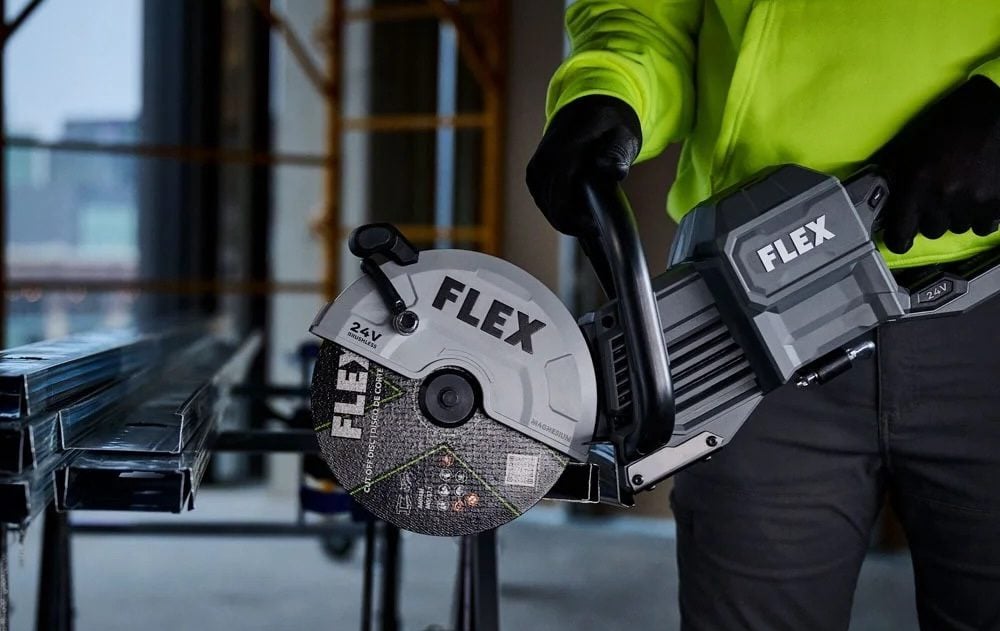
Furthermore, many brands now offer integrated smart features, allowing tools to communicate with apps for diagnostics, usage tracking, and even theft protection. While Flex Tools was a solid brand in its day, it did not have the resources or the market timing to compete with these cutting-edge advancements in the same way its successor brands do.
Credit: www.protoolreviews.com
What This Means For Consumers
For consumers and professionals looking for new tools, the disappearance of Flex Tools as a distinct brand means adapting to the current market. If you were a fan of Flex Tools, you might find satisfaction in brands that have inherited its technological lineage, such as DeWalt.
When choosing new tools, it’s important to consider the overall system a brand offers. This includes the variety of tools available on a particular battery platform, the availability of accessories, and the quality of customer support.
Choosing Modern Alternatives
Pro Tip: When looking for replacements for older Flex Tools, consider the specific application you need the tool for. A high-performance drill for heavy concrete work will have different requirements than a compact impact driver for furniture assembly. Researching reviews and comparing specifications of current models from leading brands like DeWalt, Milwaukee, Makita, and Bosch will help you find the best fit.
Many professionals continue to rely on the brands that now represent the evolution of what Flex Tools once offered. The focus has shifted towards comprehensive tool ecosystems that support a wide range of tasks and trades.
Frequently Asked Questions
Is Flex Tools Still Manufactured?
New tools are generally not manufactured under the distinct “Flex Tools” brand name. The brand and its product lines have been integrated into other brands, primarily under the umbrella of Stanley Black & Decker.
Can I Still Get Parts For My Flex Tools?
Parts for older Flex Tools may be difficult to find as a distinct product line. However, Stanley Black & Decker, the parent company, may offer support or compatible parts for tools that have been integrated into their other brands, such as DeWalt.
It is best to contact their customer service for specific inquiries.
Which Brands Are Similar To The Old Flex Tools?
Brands like DeWalt are often considered successors in terms of quality and professional-grade