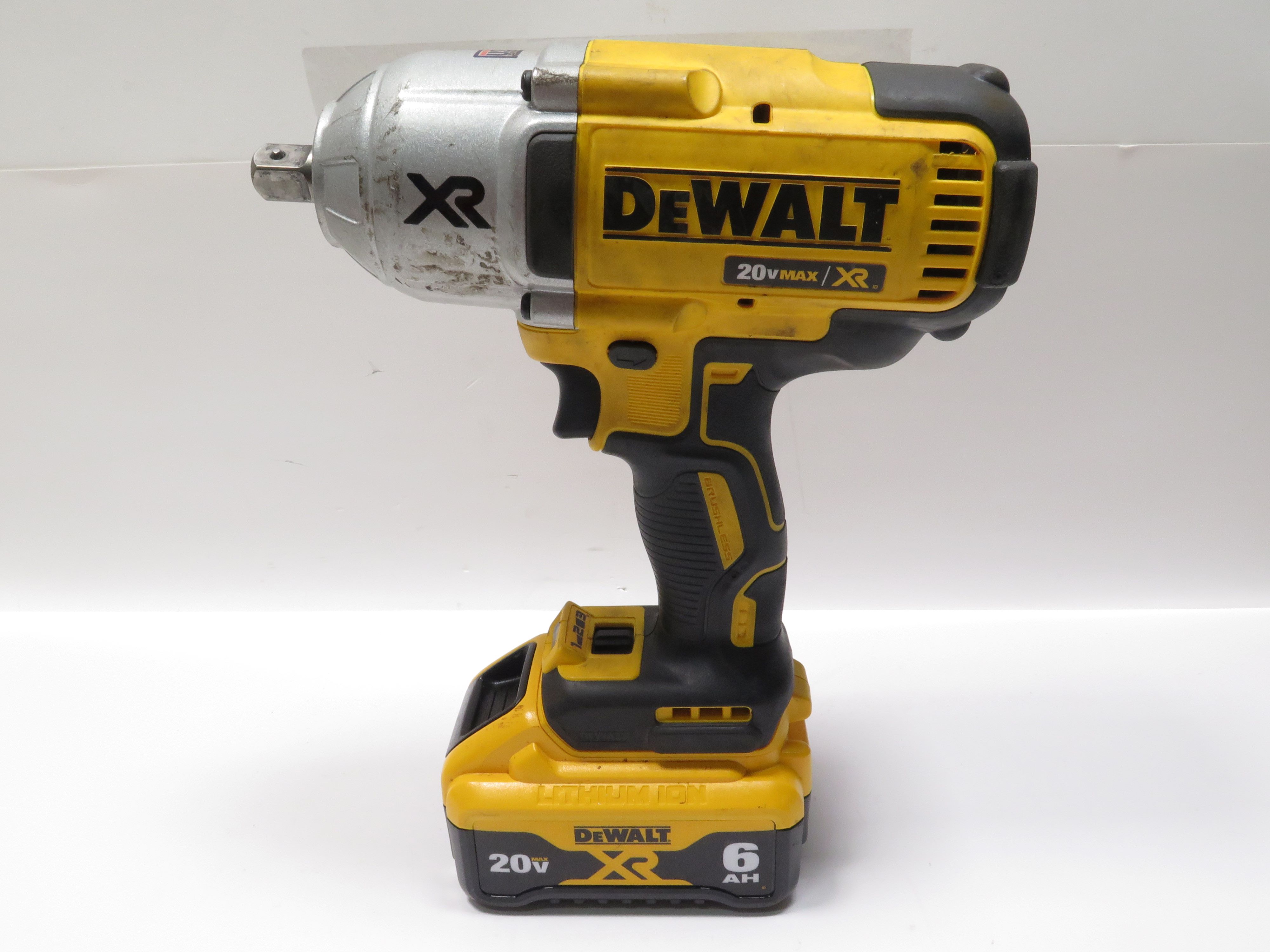
The DeWalt DCF899 is a powerful cordless impact wrench known for its robust performance in demanding applications. When tackling tough jobs, understanding the torque output of your tools is crucial for efficiency and safety. This article will break down exactly how much torque the DeWalt DCF899 delivers, what factors influence its performance, and how this power translates to real-world tasks.
The DeWalt DCF899 is a popular choice among mechanics, construction workers, and DIY enthusiasts. Its high torque makes it ideal for loosening stubborn bolts and nuts, as well as tightening them to precise specifications. But what does “high torque” actually mean for this specific tool? We will explore its specifications and compare it to other tools in its class.
Understanding Torque In Impact Wrenches
Torque is a rotational force. In the context of an impact wrench, it’s the twisting force the tool applies to a fastener. It’s typically measured in foot-pounds (ft-lbs) or Newton-meters (Nm). Higher torque means the tool can exert more twisting force. This is essential for breaking loose rusted or overtightened fasteners that a standard wrench or even a less powerful impact wrench might struggle with.
The DeWalt DCF899 is designed to provide significant torque, making it a go-to for professionals who need reliable power. However, the advertised torque is often the maximum peak torque. This means the tool can reach this level of power under ideal conditions, but the actual torque applied can vary depending on several factors.
Dewalt Dcf899 Torque Specifications
The DeWalt DCF899 is available in a few variations, primarily differing in the anvil size (1/2-inch or 3/4-inch) and sometimes in its brushless motor technology. However, the core torque output remains consistent across the most common models.
The DeWalt DCF899B (bare tool) and DeWalt DCF899P1 (kit with one battery) and DeWalt DCF899P2 (kit with two batteries) are among the most popular. These models are generally rated for:
- Maximum Torque: Approximately 700 ft-lbs (foot-pounds) of fastening torque.
- Breakaway Torque: Up to 1200 ft-lbs of breakaway torque.
It’s important to distinguish between these two types of torque:
- Fastening Torque: This is the torque applied when tightening a bolt or nut. The 700 ft-lbs figure represents the maximum force the tool can impart during the tightening process.
- Breakaway Torque: This is the torque the tool can deliver to loosen a fastener. The 1200 ft-lbs figure indicates its capability to break free stubborn, overtightened, or seized bolts. This is often significantly higher than the fastening torque because it involves overcoming resistance that might have built up over time.
These figures place the DeWalt DCF899 in the professional-grade category for cordless impact wrenches, capable of handling a wide range of automotive and heavy-duty tasks.
Factors Affecting Dewalt Dcf899 Torque Output
While the specifications provide a benchmark, the actual torque delivered by your DeWalt DCF899 can be influenced by several factors:
1. Battery Charge And Type
The power source is critical. A fully charged battery will deliver optimal torque. As the battery drains, the power output may decrease, leading to less torque. DeWalt offers batteries in various amp-hour (Ah) ratings (e.g., 2.0Ah, 4.0Ah, 5.0Ah). While a higher Ah rating means longer run time, the voltage (typically 20V MAX, which is 18V nominal) is the primary driver of power. However, higher-end batteries with better internal resistance can sometimes provide more consistent power delivery under load.
2. Anvil Size
The DeWalt DCF899 is commonly found with a 1/2-inch anvil, but a 3/4-inch anvil version also exists. While the motor and gearing are designed to deliver a certain torque, the anvil size can influence how that torque is applied and the types of sockets used. Larger anvils might be paired with tools designed for even higher torque applications, but for the DCF899, the core motor’s output is the main determinant.
3. Tool Condition And Maintenance
Like any power tool, the DeWalt DCF899 performs best when well-maintained. Worn internal components, lack of lubrication in the gearbox, or a dirty motor can reduce efficiency and, consequently, torque output. Regular cleaning and adhering to the manufacturer’s maintenance recommendations are important.
4. Fastener Condition And Type
The state of the fastener itself plays a significant role. A rusted, corroded, or damaged fastener will require more torque to loosen than a clean, well-lubricated one. Similarly, the type of material the fastener is made of and the thread pitch can affect the force needed.
5. Socket Quality And Fit
Using high-quality sockets that fit snugly on the fastener is crucial. A loose-fitting socket can slip, reducing the effective torque transfer and potentially damaging both the socket and the fastener. Impact-rated sockets are specifically designed to withstand the high shock and torque associated with impact wrenches.
6. Temperature
Extreme temperatures can affect battery performance and the viscosity of lubricants within the tool’s gearbox, potentially impacting torque output.
Real-world Applications Of Dewalt Dcf899 Torque
The impressive torque figures of the DeWalt DCF899 make it suitable for a variety of demanding tasks:
Automotive Repair
This is where the DCF899 truly shines. Its 700 ft-lbs of fastening torque and 1200 ft-lbs of breakaway torque are more than enough for:
- Lug Nuts: Easily removing and tightening lug nuts on cars, trucks, and SUVs. This is often the most common use for impact wrenches.
- Suspension Components: Loosening stubborn bolts on control arms, ball joints, tie rods, and strut mounts.
- Engine and Transmission Work: Handling bolts related to engine mounts, exhaust systems, and transmission components.
- Heavy-Duty Truck Repair: While some very large commercial trucks might require even higher torque, the DCF899 can handle many tasks on medium-duty trucks and heavy equipment.
Construction And Industrial Use
Beyond automotive, the DCF899 finds applications in:
- Heavy Equipment Maintenance: Loosening and tightening bolts on construction machinery, agricultural equipment, and other heavy-duty tools.
- Structural Assembly: In some scenarios, it can be used for tightening large bolts in steel structures or frameworks, although specific torque requirements for structural engineering should always be verified.
- General Maintenance: Anywhere significant rotational force is needed to assemble or disassemble machinery.
Diy And Home Projects
For the serious DIYer, the DCF899 can be a powerful addition to the toolbox for projects such as:
- Deck Building: Quickly driving lag bolts or tightening structural screws.
- Fence Installation: Installing posts and hardware.
- Restoration Projects: Tackling rusted bolts on old equipment or vehicles.
Credit: www.pawnamerica.com
Comparing The Dewalt Dcf899 To Other Impact Wrenches
The DeWalt DCF899 is a high-performance tool, but understanding its place in the market helps in making informed decisions. Here’s a general comparison:
| Feature | DeWalt DCF899 (Approximate) | Competitor X (e.g., Mid-Range) | Competitor Y (e.g., High-End) |
|---|---|---|---|
| **Anvil Size** | 1/2-inch | 1/2-inch | 1/2-inch or 3/4-inch |
| **Fastening Torque** | 700 ft-lbs | 300-500 ft-lbs | 800-1000+ ft-lbs |
| **Breakaway Torque** | 1200 ft-lbs | 500-800 ft-lbs | 1500-2000+ ft-lbs |
| **Brushless Motor** | Yes | Often Yes | Typically Yes |
| **Price Range** | Mid to High | Mid | High |
| **Typical Use** | Professional Automotive | DIY, Light Automotive | Heavy-Duty Industrial, Heavy Automotive |
Explanation of Comparison:
- Competitor X (Mid-Range): These tools are generally less expensive and suitable for occasional use or lighter automotive tasks. They might struggle with heavily seized bolts or require more time to break them loose.
- Competitor Y (High-End): These tools often boast even higher torque figures, sometimes reaching over 1000 ft-lbs of fastening torque and 2000 ft-lbs of breakaway torque. They are typically more expensive and designed for the most demanding industrial applications or professional mechanics dealing with heavy trucks and specialized equipment.
The DeWalt DCF899 hits a sweet spot, offering professional-grade power at a price point that is accessible to serious enthusiasts and many professional mechanics without venturing into the ultra-high-end, specialized market. Its 700 ft-lbs fastening torque is substantial for most automotive needs, and the 1200 ft-lbs breakaway torque provides the muscle needed for challenging jobs.
Maximizing Performance And Longevity Of Your Dewalt Dcf899
To ensure your DeWalt DCF899 performs at its peak and lasts for years, consider these tips:
- Use Impact-Rated Sockets: Standard sockets can shatter under the torque of an impact wrench. Always use sockets specifically designed for impact use. These are typically black oxide coated and have thicker walls.
- Maintain Proper Battery Care: Store batteries in a cool, dry place. Avoid leaving them in extreme heat or cold. Recharge them before they are completely depleted for optimal battery health.
- Apply Lubricant: For particularly stubborn bolts, applying a penetrating lubricant to the threads an hour or so before attempting removal can significantly reduce the required torque.
- Don’t Force It Unnecessarily: While the DCF899 is powerful, forcing it excessively on a bolt that won’t budge can damage the tool or the fastener. Sometimes, a brief burst of torque, followed by a slight tightening and then loosening again, can help break a fastener free.
- Regular Cleaning: Keep the tool clean, especially the air vents and the anvil area. Dust and debris can impede performance.
- Listen to the Tool: Pay attention to unusual noises. Grinding or clicking sounds might indicate an internal issue that needs professional attention.
- Consider a Torque Stick: If precise tightening torque is critical (e.g., for lug nuts on high-performance vehicles), use a torque stick in conjunction with the impact wrench. The torque stick is designed to flex at a specific torque value, limiting the output of the impact wrench. This prevents over-tightening. For example, a 100 ft-lbs torque stick will limit the impact wrench to approximately 100 ft-lbs.

Credit: www.pawnamerica.com
Understanding Brushless Motor Technology In The Dcf899
The DeWalt DCF899 utilizes a brushless motor. This is a significant advantage over older brushed motor designs. Here’s why:
- Increased Efficiency: Brushless motors convert more battery power into work (torque), leading to longer run times on a single charge.
- Greater Durability: Without brushes that wear out, brushless motors tend to last longer and require less maintenance.
- More Consistent Power: They maintain their power output more effectively under load compared to brushed motors.
- Compact Size: Brushless motors can often be made smaller and lighter, contributing to a more ergonomic tool design.
This advanced motor technology is a key reason for the DCF899’s strong performance and reliability in demanding professional settings.
Choosing The Right Impact Wrench: Beyond Just Torque
While torque is a primary specification, it’s not the only factor to consider when choosing an impact wrench:
- Anvil Size: 1/2-inch is standard for most automotive and general repair. 3/4-inch or 1-inch anvils are for very heavy-duty applications.
- Power Source: Cordless offers portability, while corded or pneumatic (air-powered) offer consistent power but require a power source or air compressor.
- Features: Variable speed triggers, LED lights, and adjustable settings (e.g., multiple torque or speed modes) enhance usability. The DeWalt DCF899 typically includes these, such as a 3-speed selector for different tasks.
- Ergonomics and Weight: For extended use, a comfortable grip and manageable weight are crucial. The DCF899 is reasonably balanced for its power class.
- Durability: Look for tools built with robust materials and designed to withstand job site conditions. DeWalt’s XR Li-Ion battery platform and tool construction generally offer good durability.
The DeWalt DCF899, with its 700 ft-lbs fastening torque and 1200 ft-lbs breakaway torque, along with its brushless motor and user-friendly features, stands out as a versatile and powerful option for professionals and serious DIYers.

Credit: www.offroadpark-langenaltheim.com
Dewalt Dcf899 Vs. Dcf890: A Torque Comparison
It’s common for users to compare different models within the DeWalt lineup. A frequent comparison is between the DeWalt DCF899 and the DeWalt DCF890. The DCF890 is a more compact, lighter-duty impact wrench.
Here’s a typical comparison:
| Feature | DeWalt DCF899 (Approximate) | DeWalt DCF890 (Approximate) |
|---|---|---|
| **Anvil Size** | 1/2-inch | 1/2-inch |
| **Fastening Torque** | 700 ft-lbs | 330 ft-lbs |
| **Breakaway Torque** | 1200 ft-lbs | 600 ft-lbs |
| **Weight** | ~7.2 lbs (with battery) | ~5.8 lbs (with battery) |