Drilling stainless steel is a high-stakes task that tests the skill of even experienced machinists and fabricators. Unlike softer metals, stainless steel’s toughness and low thermal conductivity make it challenging to drill without damaging the workpiece or the tool. A critical factor in achieving clean, precise holes is selecting the best speed for drilling stainless steel.
Drilling too fast risks excessive heat and rapid tool wear; drilling too slow may cause work hardening and dull the bit. For industries like construction, automotive, and aerospace, mastering this balance is essential for quality, cost efficiency, and safety.
Recent advances in tooling and machining technology have made it easier to drill stainless steel reliably, but the underlying principles remain unchanged: understanding material properties, choosing optimal speeds and feeds, and using the right equipment. Whether you are a seasoned machinist, a metalworker, or a DIY enthusiast, knowing the correct drilling speeds can save you time, money, and frustration. This guide leverages expert insights, real-world data, and best practices to help you achieve superior results when drilling stainless steel.
Key Takeaways
- Optimal drilling speeds for stainless steel are significantly lower than for most other metals due to its hardness and tendency to work-harden.
- Tool material and coating greatly impact recommended speeds, drill bit longevity, and hole quality.
- Using proper lubrication and coolant is critical to dissipate heat and prolong tool life when drilling stainless steel.
- Feed rate, drill bit geometry, and pilot holes are essential factors alongside speed for efficient and accurate drilling.
- Choosing the right speed can reduce costs, minimize tool breakage, and ensure clean, precise holes.
- Real-world examples and comparison tables in this article provide actionable guidance for both professionals and hobbyists.

Credit: www.ttp-hard-drills.net
Understanding Stainless Steel And Its Drilling Challenges
Properties Of Stainless Steel That Affect Drilling
Stainless steel is renowned for its corrosion resistance, strength, and durability. These properties arise from its alloy composition, primarily iron, chromium, and nickel. The addition of chromium creates a passive layer that protects against rust, but also increases hardness. This makes stainless steel less forgiving during machining processes such as drilling.
Key properties impacting drilling include:
- High hardness (often above 200 Brinell)
- Low thermal conductivity, leading to heat concentration at the cutting edge
- Work-hardening tendency, making repeated passes more difficult
- Elasticity, which can cause the material to close in on the drill bit
The combination of high hardness and low thermal conductivity means that heat generated by friction during drilling stays localized at the cutting edge, rather than dispersing through the material. This leads to rapid temperature increases that can dull drill bits quickly and cause them to lose their cutting ability.
Additionally, the work-hardening tendency of stainless steel means that if the drill bit stops advancing or is allowed to rub against the surface, the material hardens further, making subsequent drilling even more difficult.
Common Types Of Stainless Steel In Drilling Applications
Stainless steel comes in several grades, each with unique machining characteristics. The most commonly drilled types are:
- Austenitic (e.g., 304, 316): Non-magnetic, high corrosion resistance, most common, but also the toughest to drill.
- Ferritic (e.g., 430): Magnetic, easier to drill, lower corrosion resistance.
- Martensitic (e.g., 410, 420): Magnetic, can be hardened, moderate machinability.
Austenitic stainless steels, especially 304 and 316, are the most prevalent in construction and manufacturing and present the greatest drilling challenges due to their toughness and work-hardening.
Austenitic grades are widely used in environments exposed to moisture, chemicals, and extreme temperatures, such as kitchen equipment, marine hardware, and medical devices. Their high nickel content gives them superior corrosion resistance but also increases their ductility and toughness. Ferritic and martensitic grades, in contrast, are often found in less demanding environments, such as automotive trim or cutlery, where easier machinability is more important than extreme corrosion resistance.
Why Speed Matters When Drilling Stainless Steel
The speed at which the drill bit rotates—measured in revolutions per minute (RPM)—directly affects heat generation, tool wear, and workpiece quality. Stainless steel’s low thermal conductivity means heat is not easily dispersed. Excessive speed causes rapid temperature rise, dulling the bit and potentially hardening the steel at the cutting interface, making further drilling much more difficult.
Finding the correct balance between speed and feed rate is crucial. If RPM is too high, the drill bit overheats, which not only shortens the tool’s life but can also damage the workpiece, leading to poor-quality holes and potential structural issues.
On the other hand, drilling too slowly or with too little feed can cause the drill bit to rub instead of cut, resulting in work hardening and increased resistance for subsequent drilling operations.

Credit: www.hobby-machinist.com
Recommended Drilling Speeds For Stainless Steel
Determining The Optimal Rpm
Drilling speed is typically calculated using the formula:
`rpm = (cutting Speed X 4) / Drill Diameter`
- Cutting speed (measured in surface feet per minute, or SFM) varies by material and tool.
- Drill diameter is in inches for imperial units.
For stainless steel, recommended cutting speeds are much lower than for materials like mild steel or aluminum.
The cutting speed determines how quickly the drill bit moves across the surface of the material. For stainless steel, maintaining a lower cutting speed is essential to prevent excessive heat generation and tool wear. This formula helps you calculate the ideal RPM for any combination of cutting speed and drill diameter, allowing you to customize your approach based on the specific grade of stainless steel and the bit being used.
General Speed Recommendations
| Drill Bit Material | Cutting Speed (SFM) | 1/4″ Drill Bit RPM | 1/2″ Drill Bit RPM |
|---|---|---|---|
| High-Speed Steel (HSS) | 30–50 | 480–800 | 240–400 |
| Cobalt (HSCO) | 40–60 | 640–960 | 320–480 |
| Carbide | 70–90 | 1120–1440 | 560–720 |
Note: These ranges assume proper lubrication and moderate feed rates. Always start at the lower end of the range for greater tool life.
These ranges allow for adjustment based on the specific conditions of the drilling operation, such as the quality of the drill bit, the presence of coolant, and the rigidity of the setup. For example, if you’re using a hand-held drill, it’s best to err on the side of caution and choose slower speeds.
In a production environment with high-quality coolant and rigid fixtures, you can safely operate closer to the upper limits.
Adjusting Speed Based On Stainless Steel Grade
Austenitic stainless steels (304, 316) should always be drilled at the lower end of the recommended speed range due to their work-hardening characteristics. Ferritic and martensitic grades can tolerate slightly higher speeds but still require caution.
For example, drilling 304 stainless steel with a 1/2″ HSS bit should be done at 240–400 RPM, while drilling a ferritic grade like 430 may allow you to increase speed closer to 400 RPM. However, exceeding these recommendations can quickly lead to tool failure and compromised hole quality.
The more challenging the grade, the more critical it is to use high-quality drill bits and ample lubrication.
Tool Life And Efficiency: Real-world Example
A machine shop drilling 100 holes in 304 stainless steel with a 3/8″ HSS bit found that running at 900 RPM led to rapid tool dulling after just 20 holes. Reducing speed to 500 RPM, along with consistent cooling, allowed the same bit to complete all 100 holes with minimal wear.
This simple adjustment improved tool life by over 400% and reduced costs.
This example illustrates not only the importance of speed but also the impact of cooling and lubrication. The shop also reported improved hole quality, with smoother edges and less burr formation, which reduced post-processing labor. By optimizing RPM, tool selection, and lubrication, manufacturers can achieve significant savings in both time and material costs.
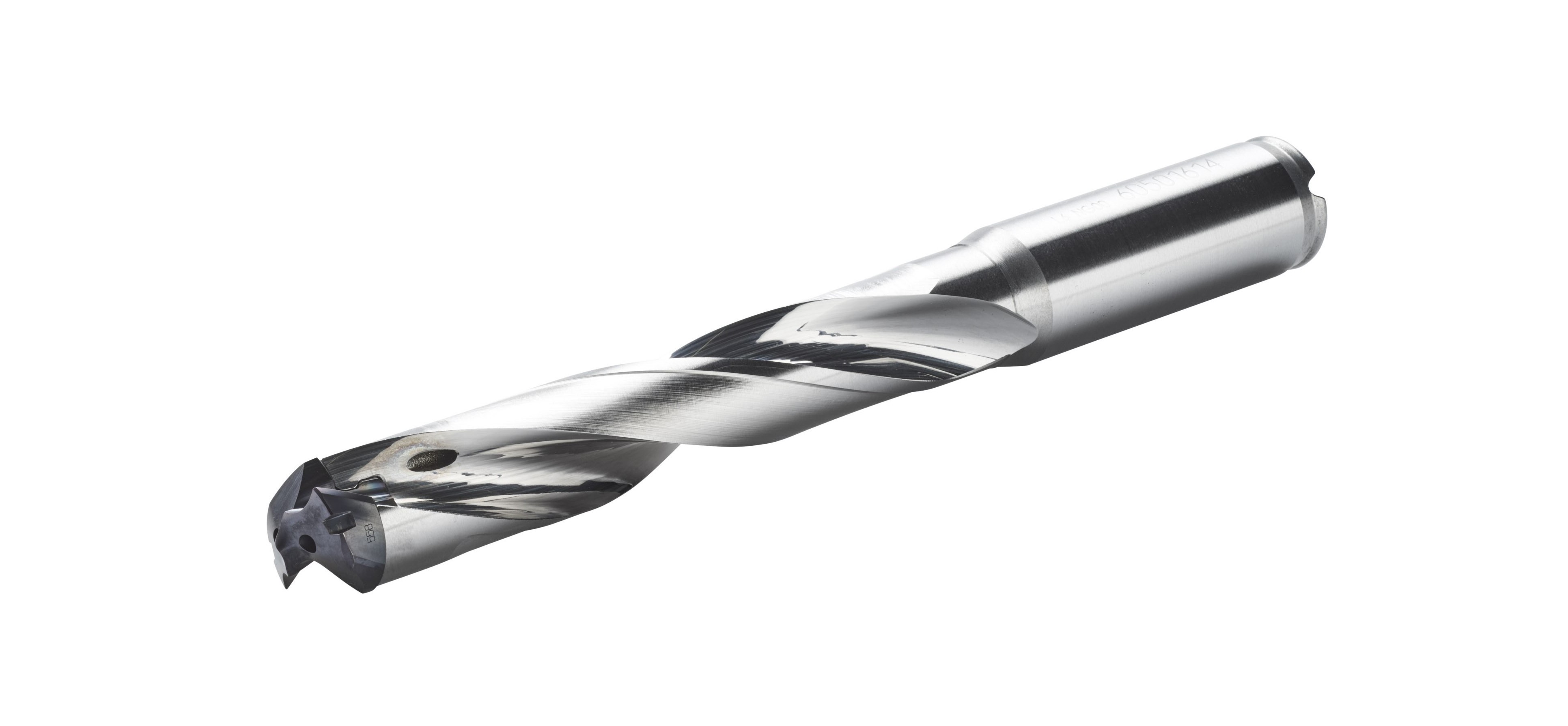
Impact Of Drill Bit Diameter
Larger drill bits require slower RPMs to maintain the same SFM. For example:
- 1/8″ HSS bit in 304 SS: 1200–2000 RPM
- 1/2″ HSS bit in 304 SS: 300–500 RPM
Always decrease RPM as drill diameter increases.
This is a critical concept for machinists. If you attempt to drill with a larger diameter bit at the same RPM as a smaller bit, you will dramatically increase the surface speed, causing heat and friction to rise exponentially. This often results in burned bits, poor holes, and wasted material.
Adjusting RPM for drill diameter is a fundamental best practice in metalworking.
Credit: www.mscdirect.com
Factors Influencing Drilling Speed Selection
Drill Bit Material And Coating
High-speed steel (HSS) is the most common drill bit material, but cobalt-alloyed HSS (HSCO) and carbide bits offer superior heat resistance and are preferred for stainless steel. Specialized coatings like titanium nitride (TiN) or titanium aluminum nitride (TiAlN) further reduce friction and heat, allowing for slightly higher speeds and longer tool life.
For example, TiN-coated bits can extend tool life by up to 25% compared to uncoated HSS bits, while carbide bits may last several times longer when properly lubricated and used at optimal speeds. The initial investment in higher-quality bits is quickly offset by fewer replacements and improved productivity, especially in high-volume settings.
Lubrication And Cooling
Without adequate lubrication, heat buildup can destroy both the drill bit and the workpiece. Use high-quality cutting fluids or oils designed for stainless steel. For production environments, flood coolant systems are ideal. For handheld drilling, frequent application of cutting oil is essential.
Lubricants not only cool the cutting edge but also help remove chips from the hole, which prevents clogging and reduces the risk of work hardening. For deep holes or continuous operations, consider using synthetic coolants, which offer superior performance and environmental safety compared to traditional oils.
Feed Rate And Pressure
The feed rate—the speed at which the drill bit advances into the material—must be balanced with the chosen RPM. Too light a feed can cause work hardening, while too aggressive a feed risks tool breakage. A steady, firm pressure typically yields the best results.
A common mistake is applying too little pressure, especially with hard materials like stainless steel. This causes the bit to rub and generate excessive heat, leading to work hardening. Conversely, excessive force may result in bit breakage or poor hole finish.
Aim for a feed rate that produces continuous chips without straining the tool or machine.
Drill Bit Geometry
Specialized split-point or 135-degree point angle bits are designed to reduce walking and require less thrust. These features are especially helpful when working with tough materials like stainless steel.
Split-point tips create a self-centering effect, which makes starting holes easier and more precise. The wider point angle also reduces cutting forces, making drilling smoother and reducing the risk of tool deflection or walking. For best results, use bits specifically designed for stainless steel, which often feature these geometries.
Workpiece Setup And Clamping
Secure the workpiece to avoid movement, vibration, or chatter. Even minor movement can cause the bit to bind, overheat, or break.
Proper clamping is essential for both safety and quality. Use a vise or C-clamps to hold the material firmly. If possible, use backing plates or sacrificial materials underneath the stainless steel to minimize burr formation and protect the work surface.
Best Practices For Drilling Stainless Steel
Preparing The Workpiece
Mark the drilling location precisely. Use a center punch to create a small indentation, preventing the drill bit from wandering. For thick stainless steel, consider drilling a small pilot hole (1/8″ or 3mm) before enlarging to the final size.
Pilot holes are especially helpful when drilling holes larger than 1/4″. They reduce cutting forces, improve accuracy, and help prevent bit breakage. For thin sheet metal, pilot holes may not be necessary, but for thicker plate or structural members, they are highly recommended.
Selecting And Maintaining Drill Bits
- Choose cobalt or carbide bits for frequent stainless steel drilling.
- Sharpen bits regularly or replace them at the first sign of dullness.
- Inspect bits for chips, cracks, or excessive wear before each use.
Regular maintenance ensures consistent performance and extends the life of your tools. If you notice that chips are no longer being ejected smoothly or that hole edges are rough, it’s time to sharpen or replace the bit. Dull bits require more force and generate more heat, increasing the risk of work hardening.
Lubrication Techniques
Apply cutting oil liberally at the start and reapply frequently. For deep holes, periodically withdraw the bit to clear chips and apply more lubricant.
For best results, use a brush or squeeze bottle to apply lubricant directly to the cutting edge and inside the hole. If drilling vertically, ensure oil flows down into the hole. For horizontal drilling, frequent application is necessary. Lubrication not only improves tool life but also enhances hole quality by reducing friction and heat.
Managing Heat Buildup
Use a slower speed and consistent lubrication to minimize heat. For high-production environments, use a coolant system to flood the drilling area. Avoid letting the drill bit “glow” red—this indicates excessive heat and imminent tool failure.
If you notice smoke or discoloration, stop drilling and allow the bit to cool. Resume only after applying more lubricant and checking bit sharpness. Heat buildup is one of the most common causes of poor drilling performance in stainless steel.
Step-by-step Drilling Process
- Secure the workpiece with clamps or a vise.
- Mark and center punch the hole location.
- Start with a pilot hole if needed.
- Select the recommended RPM and drill bit.
- Apply cutting oil.
- Drill at a steady feed rate, pausing to clear chips and reapply lubricant as necessary.
- Gradually increase hole size if enlarging.
- Clean the hole and inspect for burrs or rough edges.
Following these steps ensures consistent results and minimizes risk of tool damage or work hardening. For larger holes, repeat the pilot hole and lubrication steps to maintain quality.
Real-world Case Studies And Examples
Example 1: Fabrication Workshop Drilling 316 Stainless Steel
A fabrication shop was tasked with drilling 1/2″ holes through 316 stainless steel plates for a marine application. Initial attempts at 700 RPM using HSS bits led to rapid tool dulling and poor hole quality. After switching to cobalt bits, reducing speed to 400 RPM, and using a high-performance cutting fluid, the shop achieved smooth, burr-free holes and increased bit longevity by more than 300%.
The shop also noted improved productivity, as fewer tool changes were required and less time was spent deburring holes. This allowed workers to focus on assembly rather than post-processing, resulting in faster turnaround and higher customer satisfaction.
Example 2: Automotive Aftermarket Manufacturer
An aftermarket car part manufacturer needed to drill multiple holes in 304 stainless exhaust tubing. By using carbide drill bits and TiN coating at 1000 RPM (for 1/4″ diameter), with consistent application of synthetic coolant, they increased production throughput by 40% without compromising hole quality.
In addition, the manufacturer reported a reduction in tool costs, as carbide bits lasted significantly longer than standard HSS bits. The use of synthetic coolant also reduced cleanup time and improved the working environment, with less smoke and odor compared to traditional cutting oils.
Example 3: Home Diy Project
A DIY enthusiast attempting to drill a 3/8″ hole in a stainless steel kitchen sink struggled with bit slippage and overheating. After switching from a standard HSS bit to a cobalt split-point bit, slowing down the drill to 600 RPM, and applying cutting oil, the hole was completed quickly and cleanly, demonstrating how proper speed and tooling are crucial even for small projects.
This example highlights the value of investing in quality tools and following best practices, even for occasional use. The enthusiast also found that using a backing board under the sink helped reduce burr formation and improved the finish of the hole.
Comparison Of Drill Bit Types And Their Performance
Choosing the right drill bit is as important as selecting the correct speed. Here’s a comparison:
| Drill Bit Type | Heat Resistance | Durability | Cost | Best Use Case |
|---|---|---|---|---|
| Standard HSS | Moderate | Low | Low | Occasional drilling |
| Cobalt (HSCO) | High | High | Medium | Frequent or production drilling |
| Carbide | Very High | Very High | High | High-speed, high-volume applications |
| HSS with TiN Coating | High | Moderate | Medium | Improved performance, longer life |
Key insight: For stainless steel, cobalt or carbide bits offer the best blend of durability and performance, especially for repeated or large-diameter drilling.
Carbide bits are particularly effective for automated drilling operations, where consistent speed and feed rates can be maintained. For manual operations, cobalt bits offer an excellent balance between cost and performance, handling most stainless steel grades with ease.
Safety And Quality Considerations
Protective Equipment
Always wear safety goggles and cut-resistant gloves when drilling stainless steel. Metal chips can be sharp and ejected at high speed. For extended drilling, consider hearing protection.
Stainless steel chips are often long and can curl rapidly, posing a hazard to eyes and skin. Full-face shields are recommended for high-speed operations or when drilling large holes. Proper clothing and footwear should also be worn to protect against flying debris.
Preventing Work Hardening
Work hardening occurs when stainless steel is deformed at high temperature and low feed, making it even harder to drill. To prevent this:
- Use sharp bits and apply steady, consistent feed.
- Avoid letting the bit “spin” without advancing.
- Do not pause excessively during drilling.
If work hardening occurs, the drill bit may become stuck or unable to cut further. In such cases, stop, replace or sharpen the bit, and resume at a lower speed with more lubrication. Prevention is far easier than remediation.
Ensuring Hole Accuracy And Cleanliness
- Use pilot holes for large diameters.
- Deburr holes after drilling for a smooth finish.
- Inspect for heat discoloration, which may indicate excessive speed or insufficient coolant.
Deburring tools or files can be used to remove sharp edges and burrs. Inspecting holes for discoloration helps identify overheating, which may compromise the strength and corrosion resistance of the stainless steel.
Tool Maintenance And Replacement
Proper maintenance extends drill bit life and improves safety:
- Sharpen or replace dull bits promptly.
- Store bits in a dry, organized location to prevent corrosion and damage.
- Clean bits after use to remove residual cutting oil and chips.
Regular inspection for wear, chipping, and bending ensures that bits remain effective and safe. Investing in proper storage solutions, such as bit organizers or cases, protects tools and prevents unnecessary replacements.
Data-driven Insights: Speed Vs. Tool Life And Hole Quality
Recent studies show a direct correlation between drilling speed, tool wear, and hole quality. For example, a report from the Journal of Materials Processing Technology found that reducing RPM by 30% in stainless steel drilling extended tool life by over 200% with only a minor increase in total drilling time.
Table: Effect Of Speed On Tool Life In 304 Stainless Steel
| RPM | Number of Holes Drilled Before Bit Replacement | Observed Hole Quality |
|---|---|---|
| 1200 | 15 | Rough, high burrs |
| 800 | 35 | Moderate, some burrs |
| 500 | 70 | Smooth, minimal burrs |
Actionable insight: Operating at lower RPMs not only prolongs tool life but also ensures cleaner, more accurate holes.
The study also found that lower speeds resulted in more consistent chip formation, reduced vibration, and improved dimensional accuracy. Although the total time to drill each hole increased slightly, the reduction in tool changes and post-processing more than compensated for this, resulting in higher overall productivity.
Advanced Techniques And Troubleshooting
Peck Drilling For Deep Holes
When drilling deep holes in stainless steel, peck drilling—intermittently retracting the drill bit to clear chips and apply coolant—prevents chip buildup and overheating. This is especially important for holes deeper than 3x the diameter.
Peck drilling also helps maintain hole straightness and reduces the risk of bit binding. By breaking up the drilling process into smaller increments, you ensure that chips are consistently removed and that the drill bit remains cool and sharp.
Using Step Drills And Core Drills
Step drills can be useful for enlarging holes gradually, reducing the risk of bit binding and heat buildup. Core drills are effective for reaming out existing holes to a larger diameter in thick stainless steel sections.
These specialty tools are especially valuable when working with complex assemblies or when high precision is required. Step drills provide a smooth transition between diameters, minimizing the risk of burrs and rough edges. Core drills ensure that existing holes can be enlarged without excessive force or risk of tool breakage.
Troubleshooting Common Issues
- Excessive heat or smoke: Reduce speed, increase lubrication.
- Bit dulling quickly: Use a higher-grade bit (cobalt or carbide), reduce speed, check for proper bit geometry.
- Workpiece discoloration: Indicates overheating; slow down and use more coolant.
- Bit walking: Use split-point or pilot holes to improve accuracy.
Other common problems include chip clogging, which can be addressed by peck drilling or increasing lubrication, and uneven hole edges, which may require deburring or using a higher-quality bit.
When To Seek Professional Assistance
For critical projects, such as structural or pressure-rated stainless steel components, consulting a professional machinist or metal fabricator ensures compliance with industry standards and safety requirements. Refer to standards from organizations like the ASTM International for additional guidance.
Professional assistance is especially important when drilling holes that will be subject to high loads or environmental stress, such as in marine, aerospace, or medical applications. Experts can recommend the best tools, techniques, and quality controls to ensure long-term performance and safety.
Frequently Asked Questions
What Is The Best Rpm For Drilling 304 Stainless Steel With A 1/4″ Hss Bit?
For 304 stainless steel, a good starting point is 500–800 RPM when using a 1/4″ HSS bit. Always begin at the lower end of the range, especially if you are unsure about lubrication or feed rate. Use cutting oil generously and avoid excessive pressure to maximize bit life and hole quality. See detailed speed charts from the Engineering Toolbox.
Can I Use Standard Hss Drill Bits For Stainless Steel?
You can use standard HSS bits for small, occasional holes, but they will dull quickly and may produce poor-quality holes. For best results, use cobalt (HSCO) or carbide-tipped bits designed specifically for stainless steel. Investing in high-quality bits pays off in tool longevity and better results.
How Important Is Lubrication When Drilling Stainless Steel?
Lubrication is critical when drilling stainless steel. It reduces friction, dissipates heat, and prolongs tool life. Without adequate lubrication, bits will overheat and dull rapidly, and the workpiece may be damaged. For best results, use a lubricant formulated for stainless steel, such as those recommended by manufacturers like Loctite.
Why Does My Drill Bit Keep Squealing Or Getting Stuck?
A squealing drill bit typically indicates excessive speed, insufficient lubrication, or a dull bit. Stainless steel is prone to work hardening, which can cause the bit to bind or seize. Reduce speed, apply more cutting oil, and use a sharp bit with a proper point angle. If problems persist, consider using a higher-grade bit or pilot hole.
Are There Specialized Drills Or Machines For Stainless Steel?
Yes, specialized drills and machines exist for stainless steel, particularly in industrial settings. These may include heavy-duty drill presses with variable speed control, coolant systems, and fixtures for precise clamping. Specialized bits such as carbide-tipped or cobalt alloy are recommended for frequent or production drilling. For more guidance, consult resources like the Wikipedia page on drill bits.
Drilling stainless steel is both an art and a science. By understanding material properties, choosing the optimal speed, and applying best practices in tooling and lubrication, anyone can achieve clean, precise holes with minimal frustration. Whether you’re working on a high-volume industrial job or a home DIY project, following these evidence-based recommendations will ensure success and extend the life of your tools. For further technical details and speed charts, refer to trusted resources such as Machinery’s Handbook and industry-standard organizations. Mastering the nuances of speed, feed, and cooling will make stainless steel drilling a reliable, repeatable process in your workshop.