When you work with wood or other materials, you often need to make holes. But not all holes are the same. You might want a simple hole or a smooth, flat-bottom hole. Two common tools help you make holes: the hole saw and the Forstner bit. They look different and work in different ways.
This article will explain the differences between a hole saw and a Forstner bit. We will also talk about when to use each tool. By the end, you will know which one fits your project best.
What Is a Hole Saw?
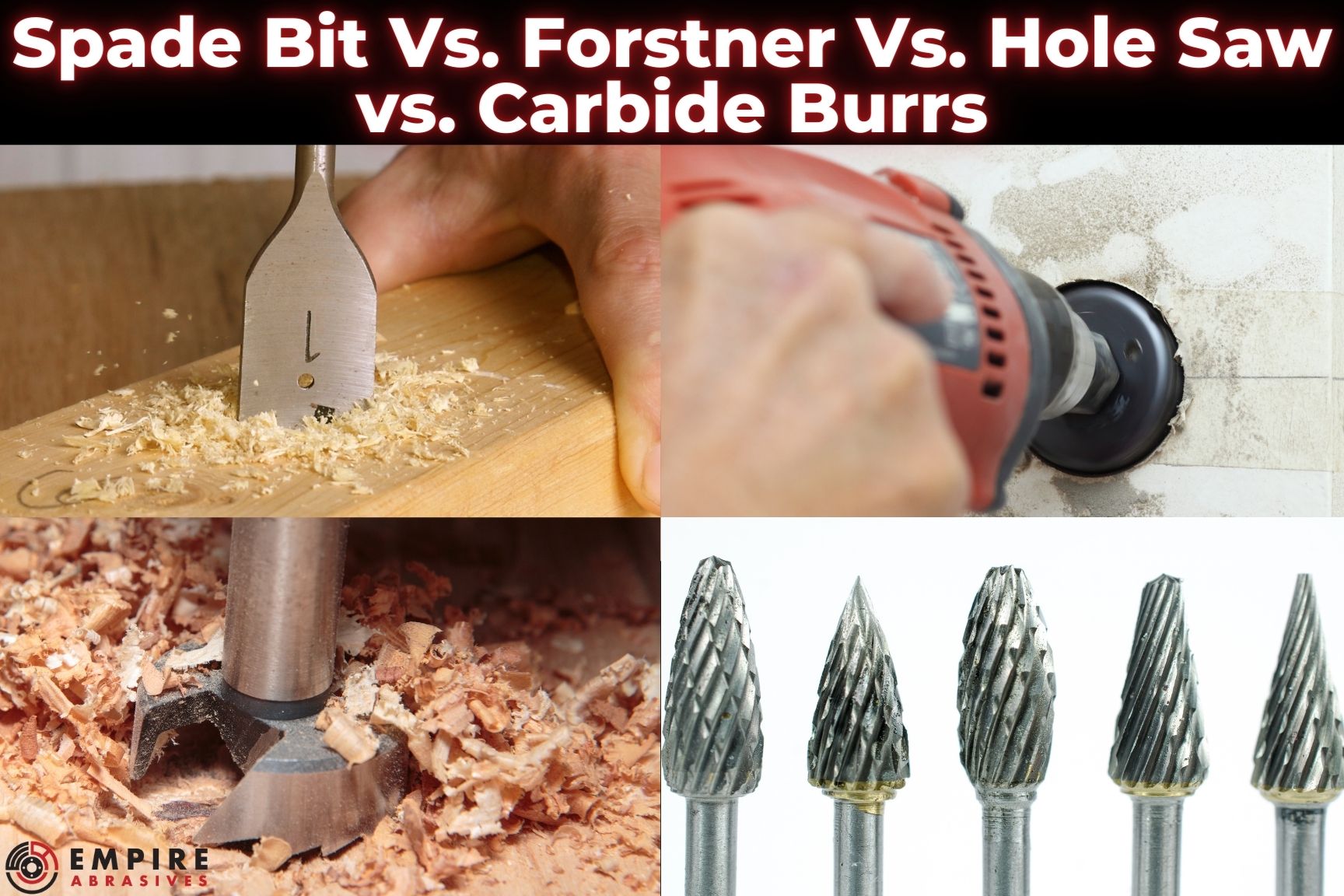
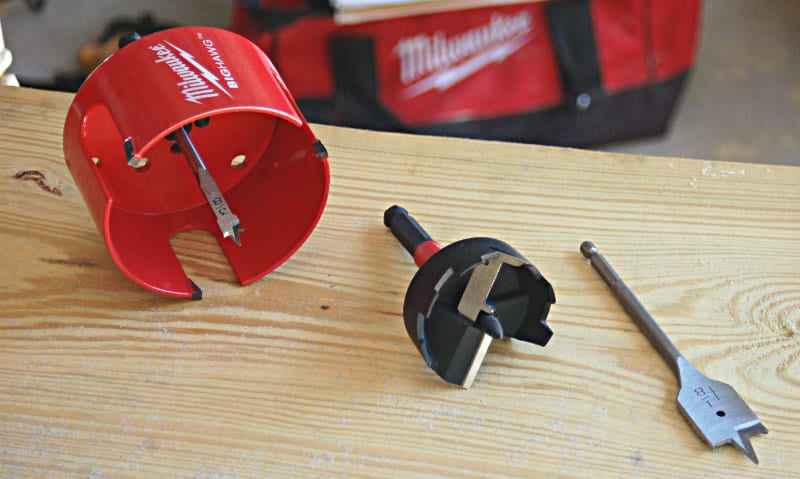
A hole saw is a round saw blade with teeth on the edge. It looks like a cup or a cylinder. You attach it to a drill. When you turn the drill on, the hole saw spins and cuts a round hole. The center of the hole saw has a small drill bit. This bit helps guide the hole saw and keeps it steady.
Hole saws come in different sizes. They can cut holes from about 1/2 inch to 6 inches or more in diameter. They are often used to cut holes in wood, plastic, metal, and drywall.
How Does A Hole Saw Work?
- The small drill bit in the middle makes a pilot hole first.
- The saw teeth cut around the hole’s edge.
- The saw cuts out a circle, leaving a hole in the material.
- The cut piece stays inside the hole saw cup.
- You remove the hole saw from the drill and take out the cut piece.
Advantages Of A Hole Saw
- Can cut large holes quickly.
- Works on many materials.
- Good for cutting through thin materials.
- Less expensive than many Forstner bits.
Disadvantages Of A Hole Saw
- Leaves rough edges.
- Sometimes the cut piece gets stuck.
- Cannot make flat-bottom holes.
- May wobble if not guided well.
What Is a Forstner Bit?
A Forstner bit is a special drill bit used for wood. It has a sharp center point and a flat rim with cutting edges. The rim cuts the outside edge, and the center point keeps the bit steady. It makes clean, flat-bottom holes.
Forstner bits come in many sizes, from very small to several inches wide. They are best for woodworking projects like furniture, cabinets, and doors.
How Does A Forstner Bit Work?
- The sharp center point helps guide the bit.
- The flat rim cuts the hole’s edge cleanly.
- The bit removes wood chips smoothly.
- You get a flat-bottom hole without splinters.
Advantages Of A Forstner Bit
- Makes clean and smooth holes.
- Leaves a flat bottom in the hole.
- Works well for overlapping holes.
- Good for angled or partial holes.
Disadvantages Of A Forstner Bit
- Slower than a hole saw for large holes.
- Only works on wood or soft materials.
- More expensive than hole saws.
- Needs a strong drill for big sizes.
Credit: www.empireabrasives.com
Hole Saw Vs Forstner Bit: Key Differences
| Feature | Hole Saw | Forstner Bit |
|---|---|---|
| Shape of Hole | Round hole with rough edges | Round hole with smooth, flat bottom |
| Material | Wood, metal, plastic, drywall | Mostly wood and soft materials |
| Speed | Faster for large holes | Slower but cleaner cut |
| Cost | Usually cheaper | Usually more expensive |
| Use | Cutting through thin materials | Creating flat-bottom holes, precise woodworking |
| Hole Size Range | Wide range, up to 6+ inches | Varies, typically smaller sizes |
When Should You Use a Hole Saw?
Use a hole saw when you need a quick hole. It works best for cutting holes in thin materials. For example, drilling holes in drywall for pipes or cables. It also works well on metal and plastic.
If you want a large hole fast and don’t mind rough edges, pick a hole saw. It’s good for general construction and simple jobs.
When Should You Use a Forstner Bit?
Use a Forstner bit when you want a clean hole. It is best for woodworking projects. For example, making holes for hinges or dowels in furniture.
If you need a flat-bottom hole or a precise hole, use a Forstner bit. It gives a smooth finish and clean edges. It works well when you want neat, professional results.
Tips for Using Hole Saws and Forstner Bits
- Use the right drill speed: Slow speed works best for big hole saws and Forstner bits.
- Secure the workpiece: Clamp your wood or material firmly before drilling.
- Check your drill’s power: Forstner bits need a strong drill, especially for large sizes.
- Clear chips often: Stop to remove wood or metal shavings to avoid overheating.
- Use safety gear: Always wear safety glasses and gloves.
Credit: www.protoolreviews.com
Summary
Both hole saws and Forstner bits make holes. But they do it in different ways. Hole saws cut faster and work on many materials. They leave rough edges and are best for quick jobs.
Forstner bits make smooth, flat-bottom holes. They work only on wood or soft materials. They are slower but give a clean, neat finish.
Choose a hole saw when you want speed and size. Choose a Forstner bit for precision and smooth holes. Understanding these tools helps you finish your project better.
Frequently Asked Questions
What Is The Main Difference Between Hole Saw And Forstner Bit?
A hole saw cuts large holes quickly with a saw blade. A Forstner bit makes clean, flat-bottomed holes with smooth edges. Each tool suits different woodworking needs.
Which Tool Is Better For Drilling Flat-bottom Holes?
Forstner bits are best for flat-bottom holes. They create smooth and precise holes without rough edges. Hole saws usually leave rougher, rounded bottoms.
Can Hole Saws Cut Through Metal Or Only Wood?
Hole saws can cut through wood, plastic, and thin metal sheets. Use a bi-metal hole saw for cutting metal. For thick metal, other tools may work better.
Are Forstner Bits Suitable For Deep Hole Drilling?
Forstner bits work well for shallow to medium depth holes. Deep holes may need multiple passes or different bits. Hole saws handle deeper holes more easily.