If you have ever used a drill, you might have heard the word torque. But what is torque? And why is it important when you buy or use a drill? This article will help you understand torque in a simple way.
What Is Torque?
Torque is a word that means twisting force. It is the force that makes things turn or spin. For example, when you turn a door handle, you use torque. When you twist a bottle cap, you use torque.
In a drill, torque is the force that helps the drill bit turn and push into the material. It is what makes the drill strong enough to drill holes or screw in screws.
How Does Torque Work in a Drill?
A drill has a motor inside. When you press the button, the motor starts to spin. This spinning moves the drill bit. Torque is the force the motor uses to turn the drill bit against the material.
If the torque is low, the drill bit might not turn well, or it might stop when it meets hard material. If the torque is high, the drill bit can turn with more power and drill through tougher materials.
Measuring Torque
Torque is usually measured in units called Newton-meters (Nm) or inch-pounds (in-lbs). These numbers tell you how much twisting force the drill can make.
For example, a drill with 30 Nm torque has more power than a drill with 10 Nm torque. Higher torque means stronger turning force.
Why Does Torque Matter in a Drill?
Torque is very important because it tells you how strong the drill is. Here are some reasons why torque matters:
- Drilling Different Materials: Hard materials like metal or thick wood need more torque to drill through. Soft materials like plastic need less torque.
- Driving Screws: When you use a drill to drive screws, torque helps push the screw into the material. More torque means you can drive bigger screws.
- Preventing Damage: If the torque is too high for the job, you might break the screw or damage the material. Some drills let you adjust torque to avoid this.
- Battery Life: Higher torque drills can use more power. Knowing torque helps you choose the right drill for your work and battery needs.
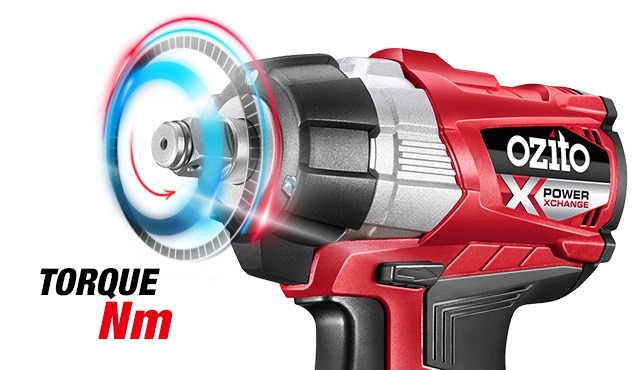
Credit: www.ozito.com.au
Torque Settings on a Drill
Many drills have a torque control ring. This ring lets you set how much torque you want. It usually has numbers from low to high.
Set the torque low for small screws or soft materials. Set it higher for big screws or hard materials.
This helps you control the drill better. It stops the drill from turning too much or breaking things.
Credit: extoltools.com
How to Choose the Right Torque
When buying a drill, think about what you will use it for. Here are some tips:
| Work Type | Recommended Torque | Examples |
|---|---|---|
| Light Work | 10-20 Nm | Small screws, soft wood, plastic |
| Medium Work | 20-40 Nm | Normal wood, drywall, medium screws |
| Heavy Work | 40+ Nm | Hard wood, metal, large screws |
Knowing this helps you pick a drill with the right power for your needs.
What Happens If Torque Is Too Low?
If the torque is too low, the drill bit may stop spinning. It can also make the drill work harder and use more battery.
You might waste time if the drill cannot do the job well. Screws may not go in fully. Holes might be slow to make.
What Happens If Torque Is Too High?
If the torque is too high, you may damage the material. Screws can be driven too deep or break.
The drill can also be hard to control. This is why adjustable torque is useful.
Torque and Drill Speed
Torque and speed are different but work together. Speed means how fast the drill bit spins.
High speed with low torque works for soft materials. Low speed with high torque works for hard materials.
Many drills let you change speed and torque to fit the task.
Frequently Asked Questions
What Does Torque Mean In A Drill?
Torque is the twisting force a drill uses to turn screws or drill bits. It controls how hard the drill can push through materials.
Why Is Torque Important For Drilling Tasks?
Torque helps the drill handle tough materials without stalling or slipping. It ensures smooth and efficient drilling.
How Does Torque Affect Drill Performance?
Higher torque means the drill can work on harder surfaces. Low torque drills are better for light tasks.
Can Too Much Torque Damage Materials?
Yes, too much torque can strip screws or crack soft materials. Using the right torque prevents damage.
Conclusion
Torque in a drill means the twisting force that helps the drill bit turn.
It matters because it controls how well the drill can work on different materials.
Choosing the right torque helps you drill holes and drive screws easily. It also helps you avoid damage.
Look for drills with adjustable torque settings. This gives you more control.
Understanding torque will help you use your drill better and finish your jobs faster.