Many homeowners wonder, “Does my kitchen sink need a vent? ” It’s a common question, especially if you’re planning a renovation, installing a new sink, or fixing plumbing issues. The answer is more important than most people think. Venting is not just about following building codes; it affects how your plumbing works and the safety of your home.
If you don’t get venting right, you could face slow drainage, foul smells, and even dangerous sewer gases.
Let’s dive into why kitchen sink venting matters, how it works, and what happens if you skip it. This guide will help you understand everything about kitchen sink vents — from basic principles to practical installation tips. By the end, you’ll know whether your kitchen sink needs a vent, which venting options are available, and how to avoid costly mistakes.
Article Summary
- Why Kitchen Sinks Need Vents
- How Kitchen Sink Vents Work
- What Happens If Your Kitchen Sink Isn’t Vented?
- Understanding Building Codes For Kitchen Sink Vents
- How To Install A Kitchen Sink Vent
- Common Mistakes When Venting A Kitchen Sink
- Alternatives To Traditional Vents
- Expert Insights: What Beginners Often Miss
- When Should You Call A Professional?
- Frequently Asked Questions
- Final Thoughts
Why Kitchen Sinks Need Vents
Most people think plumbing is just about pipes and water. But a big part of plumbing is air movement. Every drain in your home needs air to work properly. When water moves through a drain, it pushes air ahead of it and leaves a vacuum behind.
Without a vent, this vacuum can slow down drainage or even pull water out of traps.
The vent lets fresh air into the drain system, balancing the pressure. This keeps water flowing smoothly and traps filled, blocking sewer gases from coming into your kitchen. Sewer gas is not only unpleasant; it can be harmful to your health.
Main Reasons For Venting
- Preventing Drain Blockages: Without a vent, water drains slowly or gets stuck. Air needs to move in and out for smooth drainage.
- Protecting Trap Water: The trap under your sink holds water to block sewer gas. Without a vent, the vacuum can suck this water out.
- Stopping Sewer Gas Smell: Vents let gases escape safely outside, so your kitchen stays fresh.
- Meeting Building Codes: Most local codes require every sink to have a vent. Skipping it can lead to failed inspections.
How Kitchen Sink Vents Work
When you run water down your sink, it flows through the drain pipe and into the sewer line. As it moves, it pushes air ahead and needs more air behind to replace the vacuum. The vent pipe connects to the drain and runs up, usually through the wall and roof, letting air in and gases out.
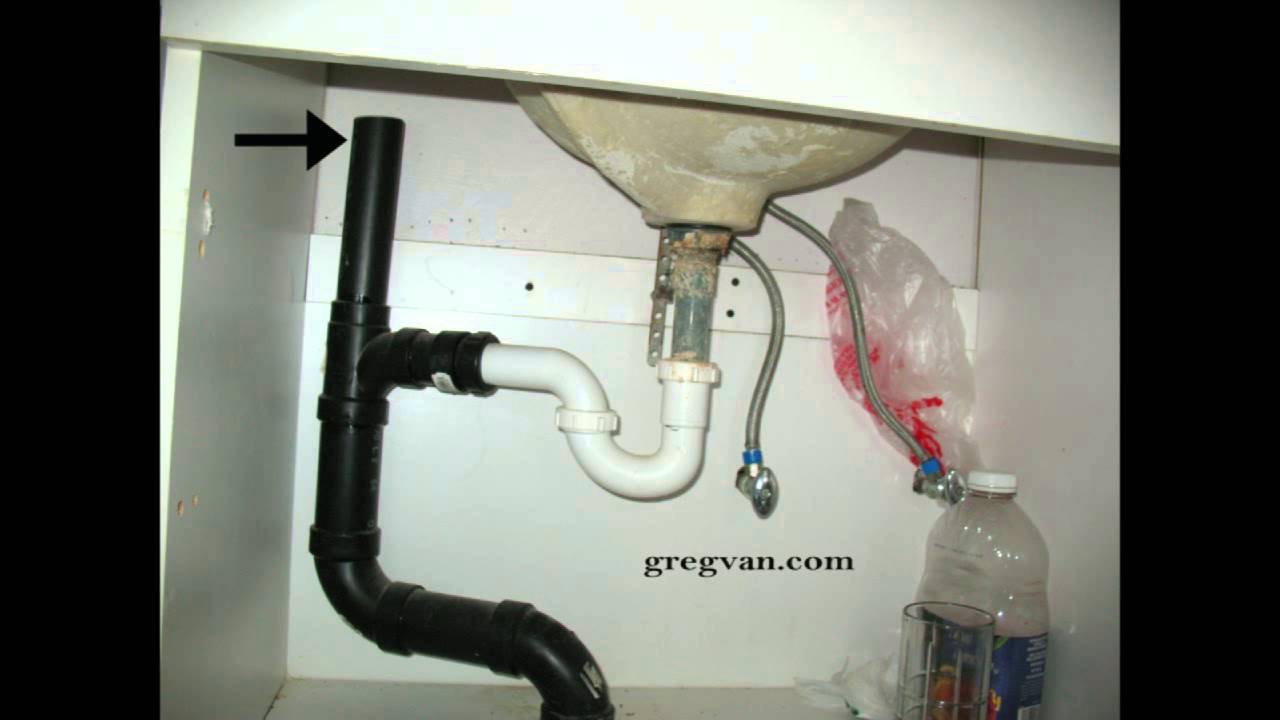
If you look under your sink, you’ll see the trap (the U-shaped pipe). The vent pipe connects above this trap, so air can reach the drain without letting sewer gas into your home.
Common Types Of Kitchen Sink Vents
There are several ways to vent a kitchen sink, depending on your home’s layout:
- Standard Vent Pipe: Runs vertically from the drain up to the roof. This is the most reliable and common method.
- Air Admittance Valve (AAV): A mechanical device that lets air in but keeps gases out. Useful when a standard vent is not possible.
- Loop Vent: Used for kitchen islands where there’s no wall nearby. The vent loops up and connects back to the main vent system.
Here’s a comparison of these venting methods:
| Type | Where Used | Pros | Cons |
|---|---|---|---|
| Standard Vent Pipe | Wall sinks | Reliable, code-approved | Needs wall access, more labor |
| Air Admittance Valve | Remodels, tight spaces | Easy install, less space | Not accepted everywhere, needs replacement |
| Loop Vent | Kitchen islands | Works without walls | Complex, must be sized right |
What Happens If Your Kitchen Sink Isn’t Vented?
Skipping a vent is a mistake many beginners make, often to save money or because they don’t see the need. But the problems appear soon after.
- Slow Drainage: Water trickles down or backs up. You may need to plunge often.
- Gurgling Sounds: As air tries to enter, you hear strange noises after draining.
- Trap Drying Out: The vacuum pulls water out of the trap, leaving it dry.
- Sewer Gas Smell: Without water in the trap, gases enter your kitchen.
- Pipe Damage: The pressure differences can stress pipes and joints, causing leaks.
- Failed Inspections: Most building inspectors won’t pass a sink without proper venting.
It’s important to note: fixing these problems later is much harder and more expensive than doing it right at the start.
Understanding Building Codes For Kitchen Sink Vents
Most countries and cities have strict rules for plumbing vents. The International Residential Code (IRC) and Uniform Plumbing Code (UPC) require every fixture to have a vent.
Key Rules You Should Know
- The vent must connect above the trap (never below).
- The vent pipe’s diameter must match the drain size.
- Air admittance valves are allowed in some places, but not everywhere.
- The vent must lead outside, usually through the roof, so gases escape safely.
For more details, you can check the official International Code Council website.
Here’s how common vent sizes compare for kitchen sinks:
| Drain Size | Minimum Vent Size | Maximum Horizontal Distance |
|---|---|---|
| 1.5 inches | 1.5 inches | 5 feet |
| 2 inches | 1.5 inches | 8 feet |
| 3 inches | 2 inches | 10 feet |
These numbers are general guidelines. Always check your local codes before starting work.

Credit: www.reddit.com
How To Install A Kitchen Sink Vent
If you’re planning to install a kitchen sink vent, here’s what you need to do:
- Choose the Type of Vent: Decide if you will use a standard vent pipe, air admittance valve, or loop vent.
- Measure and Plan: Make sure your vent pipe will connect above the trap and reach the roof or main vent stack.
- Cut and Fit Pipes: Use PVC or ABS pipes for drain and vent. Cut to size and dry-fit before gluing.
- Connect the Trap: Install the trap under the sink. The vent connection goes just above the trap arm.
- Install the Vent Pipe: Run the pipe vertically up the wall, then into the attic and out the roof, or connect to the main stack.
- Seal and Test: Glue joints, check for leaks, and run water to test drainage.
If you use an air admittance valve, install it on the vertical pipe above the trap. Make sure there’s enough space for air to flow.
Practical Tips
- Always use the right pipe size for vent and drain.
- Keep the vent as straight as possible.
- If your kitchen is on an island, use a loop vent or an air admittance valve.
- Don’t connect the vent below the trap — this is a common beginner mistake.
- Test the vent by running water and listening for gurgling. If you hear any, check your connections.
Common Mistakes When Venting A Kitchen Sink
Even experienced plumbers sometimes make mistakes. Here are some to avoid:
- Wrong Pipe Size: Using a vent pipe that’s too small can block air flow.
- Poor Placement: Connecting the vent below the trap lets gases escape.
- Skipping Vent Altogether: Some think the sink will work fine without it. Problems will appear soon.
- Using Unapproved Valves: Not all air admittance valves are allowed in every area.
- Ignoring Local Codes: Each city may have unique rules. Failing to follow them can lead to fines.
If you want to see more details on vent types, check our post on kitchen island venting for extra guidance.
Alternatives To Traditional Vents
Sometimes, you can’t run a vent pipe through the wall or roof. In these cases, alternatives help:
- Air Admittance Valve: Easy to install, needs no roof access, but must be accessible for maintenance.
- Loop Vent: For kitchen islands, loops up under the counter and connects to the main stack.
- Combination Vents: Sometimes, two fixtures share a vent. Make sure both traps are above the connection.
Here’s a quick look at how these alternatives compare:
| Alternative | Ease of Installation | Maintenance Needs | Code Acceptance |
|---|---|---|---|
| Air Admittance Valve | Very easy | Needs replacement every 5-10 years | Some places allow, some don’t |
| Loop Vent | Moderate | Rarely needs maintenance | Usually accepted |
| Combination Vent | Easy if both fixtures are close | Low | Accepted with correct sizing |
Expert Insights: What Beginners Often Miss
Many homeowners think a vent is just a piece of pipe. But two non-obvious details matter:
- Vent Placement Matters: The vent must connect above the trap. If it’s too low, sewer gases can escape. This placement is more important than pipe size.
- Maintenance Is Needed: Air admittance valves need replacement every 5–10 years. They can fail silently, so regular checks are crucial. Most people forget this step.
Also, if your kitchen drain connects to other appliances (like a dishwasher), venting becomes even more important. The extra water flow increases pressure, making proper venting a must.
Credit: www.youtube.com
When Should You Call A Professional?
While many handy people can install a vent themselves, certain cases need an expert:
- Your sink is far from any wall or vent stack.
- Your home has old or unusual plumbing.
- You’re unsure about local code requirements.
- You hear gurgling or smell sewer gas after installation.
A licensed plumber can help you avoid mistakes and ensure your kitchen passes inspection.
Frequently Asked Questions
Is It Legal To Install A Kitchen Sink Without A Vent?
No, most building codes require every kitchen sink to have a vent. If you skip it, your home may fail inspection and you could face fines.
Can I Use An Air Admittance Valve Instead Of A Vent Pipe?
Yes, in many areas you can use an air admittance valve. But check local codes first. Some places do not allow these valves.
What’s The Minimum Vent Pipe Size For A Kitchen Sink?
Usually, the minimum size is 1. 5 inches for both drain and vent. Some codes may require 2 inches for larger sinks.
How Do I Know If My Kitchen Sink Vent Is Working?
If water drains fast and you don’t hear gurgling or smell sewer gas, your vent is probably working. You can also check for airflow at the vent opening.
What Happens If My Kitchen Sink Vent Is Blocked?
A blocked vent causes slow drainage, gurgling sounds, and possible trap drying. This can let sewer gas into your kitchen and damage pipes.
Credit: terrylove.com
Final Thoughts
Understanding kitchen sink vents is key to safe and efficient plumbing. A vent is not just a code requirement; it keeps your home healthy, your drains clear, and your kitchen free from bad smells. Whether you use a standard pipe, air admittance valve, or loop vent, always plan carefully and follow local rules. Remember, the right vent placement and regular maintenance can save you trouble and money in the long run.
If you want to read more about plumbing venting, visit the International Code Council for official information. For practical guides on specialized venting, check our post about kitchen island venting to learn more. With good planning and the right knowledge, your kitchen sink will stay trouble-free for years.