If you’re planning to use an ice auger with a drill, knowing the right drill specs is crucial. Using the wrong drill can make your job harder, slow you down, or even damage your equipment.
You want to make sure your drill matches the power and speed needed to cut through thick ice smoothly. You’ll discover exactly what drill specifications you need for your ice auger to work efficiently and safely. Keep reading to avoid common mistakes and get your ice fishing done faster and easier.
Article Summary
Types Of Ice Augers
Ice augers come in different types. Each type suits different needs and conditions. Choosing the right one helps drill holes faster and easier. Understanding the types helps pick the best auger for your ice fishing trip.
Some augers need manual effort. Others use power for faster drilling. Power augers may run on electricity or gas. Each type has its benefits and limits. Knowing these helps decide the best fit for you.
Manual Vs. Power Augers
Manual augers need hand turning. They are light and easy to carry. Great for short trips or thin ice. They do not need fuel or batteries. Manual augers work quietly and are less costly.
Power augers use motors to spin the blades. They save time and effort. Best for thick ice or many holes. Power augers are heavier and need fuel or power. They work fast but can be noisy.
Electric And Gas Models
Electric augers run on batteries. They are quiet and clean. Good for small to medium jobs. Battery life limits drilling time. Electric models need charging before use.
Gas augers use a small engine. They are strong and last long. Perfect for thick ice and many holes. Gas models need fuel and more care. They are heavier and louder than electric ones.

Credit: www.rapala.com
Key Drill Specifications
Choosing the right drill for an ice auger depends on several important specifications. These specs affect how well the drill performs in cold and tough conditions. Understanding key drill specifications helps in picking a tool that works efficiently and lasts longer.
Each specification has a role in making ice drilling easier. Below are the main specs to check before selecting a drill for your ice auger.
Motor Power And Torque
Motor power determines how strong the drill is. Higher power means it can handle thick ice better. Torque is the twisting force that helps the drill turn the auger smoothly. More torque reduces the chance of the drill stalling in hard ice. A drill with good motor power and torque makes drilling faster and less tiring.
Battery Life And Voltage
Battery life controls how long the drill can run on a single charge. Long battery life is important for ice fishing trips. Voltage affects the drill’s strength. Higher voltage usually means more power and longer runtime. Choose a drill with a reliable battery to avoid interruptions during drilling.
Drill Speed And Control
Drill speed affects how fast the auger spins. Variable speed settings give better control over drilling. Slower speeds help start the hole without slipping. Faster speeds cut through ice quickly once the hole is started. Good speed control improves accuracy and safety while drilling.
Drill Compatibility With Auger Blades
Choosing the right drill for your ice auger depends on how well it matches the auger blades. Drill compatibility affects drilling speed, ease, and safety. Knowing the right specs helps you pick a drill that works smoothly with the blade size and type. Also, the way the drill attaches to the blades matters a lot. This section explains key points about drill compatibility with auger blades.
Blade Sizes And Types
Ice auger blades come in different sizes. Common sizes include 6, 8, and 10 inches. The drill must provide enough power to turn the blade. Smaller blades need less power, so smaller drills can work well. Larger blades require stronger drills with higher torque.
Blade types vary by shape and material. Some blades have a single edge, while others have double edges. Steel is common for durability. Plastic or composite blades are lighter but less strong. The drill must match the blade type to avoid damage or poor performance.
Attachment Mechanisms
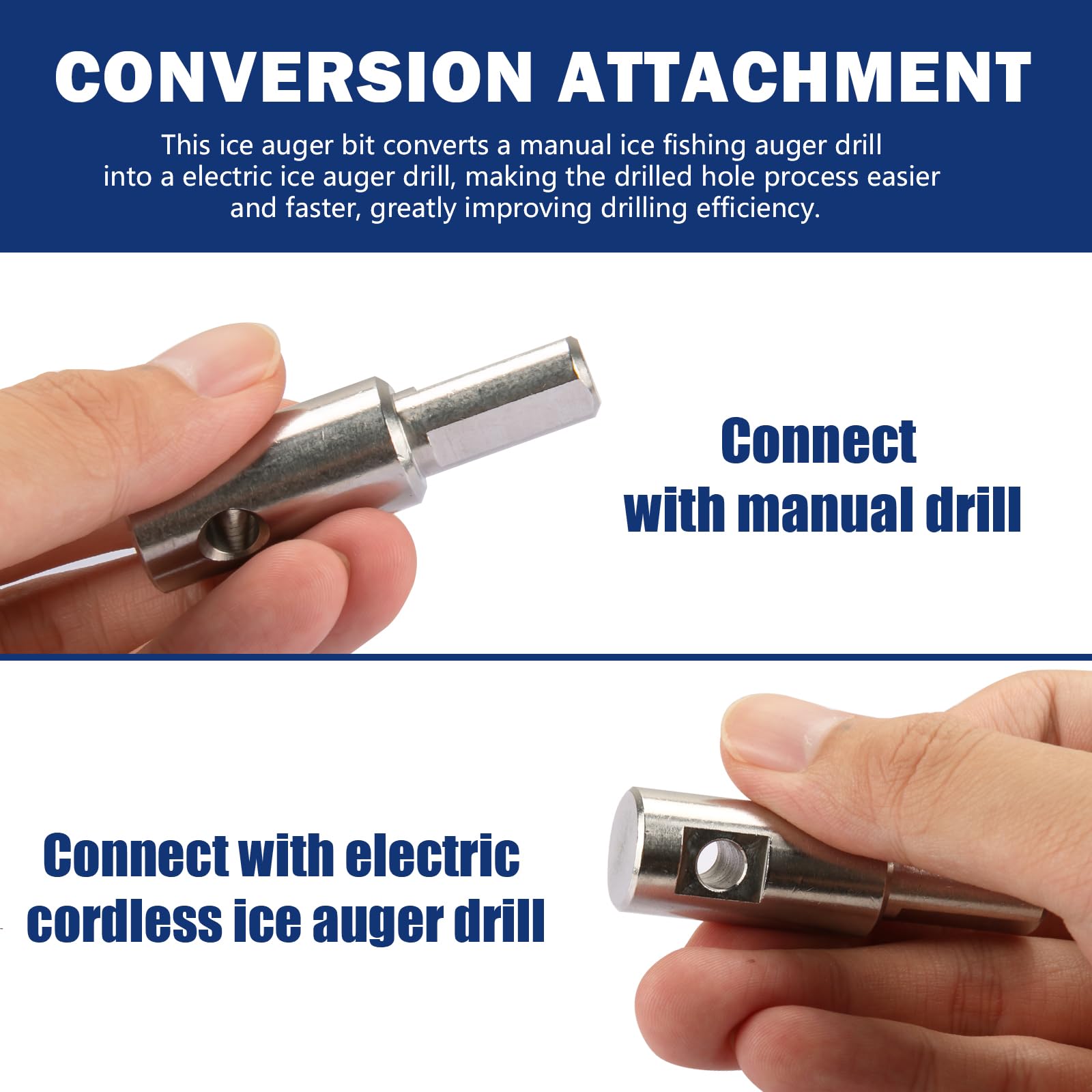
Drills and auger blades connect using various attachment mechanisms. The most common are hex shanks and quick-connect systems. Hex shanks fit into the drill chuck tightly. This prevents slipping during drilling. Quick-connect systems allow fast blade changes without tools.
Ensure the drill’s chuck size matches the blade’s attachment. Some drills have adjustable chucks for different shank sizes. Others need specific adapters. A secure attachment keeps the blade stable and improves drilling efficiency.
Durability And Build Quality
Durability and build quality are key for any ice auger drill. A strong drill lasts through tough ice and cold weather. It also keeps working without breaking down. Choosing the right materials and design helps the drill handle rough use. This section explains what to check in durability and build quality for ice augers.
Material Considerations
Steel and aluminum are common materials for ice auger drills. Steel is very strong and resists bending. Aluminum is lighter but still tough. Look for drills with high-grade metals. These materials resist cracks and dents. Plastic parts should be thick and tough. Thin plastic breaks easily in cold weather. Solid build means fewer repairs and longer use.
Weather Resistance
Ice augers face cold, snow, and wet conditions. Rust can damage metal parts fast. Choose drills with rust-proof coatings. Powder coating or stainless steel works well. Seals and rubber gaskets keep water out. Cold weather can make parts brittle. Durable drills use materials that stay strong in low temperatures. Weather resistance means reliable performance every time on the ice.
Safety Features
Safety is very important when using a drill for an ice auger. It protects you from accidents and tool damage. The right safety features keep the drill working well and make the task easier. Understanding these features helps you choose the best drill for ice auger use.
Overload Protection
Overload protection stops the drill from working too hard. It prevents the motor from overheating or burning out. This feature pauses the drill if the ice is too thick. It helps avoid damage and makes the drill last longer.
Ergonomic Design
An ergonomic design means the drill fits well in your hands. It reduces strain during long use on cold ice. Good grips and balanced weight make it easier to control. This design lowers the chance of slips and accidents.
Maintenance Tips For Drills And Augers
Proper maintenance keeps drills and ice augers working well for a long time. It prevents damage and saves money on repairs. Regular care also helps tools perform at their best during ice fishing trips.
Cleaning And Storage
After each use, clean the drill and auger carefully. Remove ice, dirt, and moisture from all parts. Use a soft cloth to wipe down surfaces. Avoid using harsh chemicals that can damage metal or plastic.
Store tools in a dry place to stop rust and corrosion. Keep the drill and auger in their cases if possible. Make sure the area is free from moisture and dirt. Proper storage keeps blades sharp and motors safe.
Regular Inspection
Check your drill and auger before every trip. Look for cracks, dull blades, or loose parts. Tighten screws and bolts as needed. Inspect cords or batteries for signs of wear or damage.
Replace worn or broken parts quickly. This prevents accidents and keeps your tools working well. Regular checks reduce the risk of failure during use. Stay safe and ready on the ice with proper inspections.
Choosing The Right Drill For Your Needs
Choosing the right drill for your ice auger is key for a smooth ice fishing experience. The right drill makes drilling easier and faster. It also saves your energy and helps avoid tool damage. Not all drills work well with ice augers. You must match the drill specs to your needs.
Consider how often you will use the drill, your budget, and the ice conditions. These factors help you pick the best drill for your ice auger. Let’s explore each factor closely.
Budget Considerations
Drills vary in price from affordable to high-end models. Decide how much you want to spend before buying. A basic drill can work fine for occasional use. Higher-priced drills offer better power and durability. Choose a drill that fits your budget but still meets your needs.
Usage Frequency
Think about how often you will drill through ice. Frequent drillers need a powerful and reliable drill. This helps avoid breakdowns and saves time. For rare use, a simple drill with moderate power is enough. Match the drill power to how often you drill.
Ice Conditions
Ice thickness and hardness affect the drill choice. Thick or hard ice needs a drill with more torque and battery life. Thin ice requires less power and a lighter drill. Choose a drill that can handle the typical ice conditions you face.
Credit: linearcollider.org

Credit: kidscowboydentistry.com
Frequently Asked Questions
What Drill Power Is Best For Ice Augers?
A drill with at least 18V power is ideal for ice augers. Higher voltage drills provide more torque, making ice drilling easier and faster. Cordless drills with brushless motors are preferred for longer battery life and efficiency.
Which Drill Chuck Size Fits Ice Auger Bits?
Most ice auger bits require a 1/2-inch drill chuck size. This size ensures a secure fit and optimal power transfer. Always check the auger bit specifications before purchasing to ensure compatibility with your drill.
Can Any Cordless Drill Work With Ice Augers?
Not all cordless drills work well with ice augers. Choose drills with high torque and long battery life. Brushless motor drills are recommended for better performance and durability in cold conditions.
How Long Should A Drill Battery Last For Ice Augers?
A good drill battery should last at least 30-45 minutes of continuous use. Higher capacity batteries (Ah) provide longer runtime. Carrying extra batteries ensures uninterrupted ice drilling sessions.
Conclusion
Choosing the right drill specs helps you drill ice faster and easier. Power and speed are key factors to consider. Make sure your drill matches the ice auger’s requirements. This will save energy and avoid damage. A good fit means less frustration on the ice.
Always check voltage, torque, and battery life. These specs keep your tool working well all day. Simple steps lead to better ice fishing trips. Now, you can pick the best drill for your ice auger with confidence.