When you’re out on the ice, the last thing you want is to struggle with your drill. Finding the minimum torque drill for your ice auger can make all the difference between a quick, smooth hole and a frustrating, exhausting task.
You need a drill that’s powerful enough to get the job done but not so heavy or complicated that it slows you down. You’ll discover exactly what to look for in a drill’s torque, how it impacts your ice auger’s performance, and tips to choose the perfect match for your needs.
Keep reading to make your ice fishing experience easier and more enjoyable.

Credit: www.razrpowr.com
Article Summary
Choosing The Right Torque
Choosing the right torque for your ice auger drill is key to effective ice fishing. Torque affects how well the drill cuts through ice. It also impacts your effort and the drill’s lifespan. Understanding torque helps you pick a drill that matches your needs.
What Torque Means For Ice Augers
Torque is the force that turns the drill bit. Higher torque helps the bit move through thick ice. Low torque might slow down drilling or stop it. Choosing the right torque ensures the drill works smoothly. It also reduces wear on the motor and parts.
Impact On Drilling Efficiency
Good torque makes drilling faster and easier. It helps avoid getting stuck or bogged down. Drills with proper torque use less battery power. This means longer use without recharging. Efficient drilling means more time fishing and less time working.
Torque Vs. Power Balance
Torque and power are related but different. Power is the drill’s overall strength. Torque is how forcefully it turns the bit. A drill with high power but low torque may struggle. The best drills balance torque and power. This balance gives steady drilling and less strain.
Types Of Ice Auger Drills
Choosing the right ice auger drill is key for a smooth ice fishing experience. Different types offer different benefits and challenges. Understanding these types helps you pick one that matches your needs.
Ice auger drills mainly come in manual, electric, and gas-powered forms. Each type uses torque differently to cut through ice. Knowing their features will guide your choice.
Manual Vs. Powered Options
Manual ice augers need physical effort to turn the drill. They are simple, light, and easy to carry. Great for small holes and thin ice. No batteries or fuel required.
Powered augers reduce the hard work. They use motors to spin the blades fast. Ideal for thick ice and many holes. Powered drills save time and energy on the ice.
Electric Models And Torque Ratings
Electric ice augers run on rechargeable batteries. They offer quiet operation and less weight than gas models. Torque ratings show their power to cut ice.
Higher torque means faster drilling and better performance on thick ice. Electric models suit anglers who want clean and easy ice cutting. They work well in cold weather with proper battery care.
Gas-powered Augers And Their Strength
Gas-powered augers deliver the highest torque among all types. They are strong and fast for deep or hard ice. Perfect for heavy-duty ice fishing trips.
These augers require fuel and more maintenance. They produce noise and exhaust gases. Best for users needing power and speed over convenience.
Minimum Torque Requirements
Understanding the minimum torque needed for an ice auger drill is key to effective ice fishing. Torque measures the turning force a drill applies. Too little torque means the drill won’t cut through ice smoothly. Too much torque might waste battery power or damage the drill.
Choosing the right torque helps drill through ice faster and with less effort. It also extends the life of your drill and auger blades. The torque needed depends on several factors, including ice thickness and blade size.
Factors Influencing Torque Needs
Ice density varies by location and temperature. Hard, thick ice demands more torque than thin, soft ice. Cold temperatures make ice tougher, increasing torque needs. Blade sharpness also affects torque. Dull blades require more force to cut. Drill speed plays a role; slower speed may need higher torque. Battery power and drill motor strength limit torque supply.
Recommended Torque For Various Ice Thickness
Thin ice, under 6 inches, needs low torque. About 10 to 15 foot-pounds works well. Medium ice, 6 to 12 inches, requires moderate torque near 20 to 30 foot-pounds. Thick ice, over 12 inches, demands higher torque of 35 to 50 foot-pounds. Using proper torque avoids drill stalling and saves battery life. Adjust torque according to ice conditions for best results.
Matching Torque To Auger Blade Size
Larger blades need more torque to turn through ice. A 6-inch blade requires less torque than a 10-inch blade. Drill torque should increase with blade diameter. Small blades work well with low torque drills. Big blades need drills with higher torque ratings. Matching torque to blade size improves cutting efficiency and reduces strain on the drill motor.
Power Efficiency Tips
Using a minimum torque drill for your ice auger saves power and extends battery life. Small changes in how you operate the drill can make a big difference. Power efficiency tips help you get the most from your drill without extra effort.
Optimizing Drill Speed
Set your drill to the right speed for ice thickness. Too fast uses more power and can wear the drill. Too slow wastes time and energy. Find a steady speed that cuts through ice smoothly. This keeps the drill running efficiently.
Maintaining Equipment For Peak Performance
Keep your drill and auger clean and sharp. Dirt and rust slow the drill and drain battery power. Check for loose parts and tighten them. Regular maintenance helps the drill work with less effort. It also prevents breakdowns during your ice fishing trips.
Energy-saving Practices In Cold Conditions
Cold weather drains battery power faster. Store batteries in warm places before use. Use the drill in short bursts instead of long runs. Let it rest between holes to avoid overheating. These habits save energy and keep your drill working longer on cold days.
Safety And Handling
Handling a minimum torque drill for an ice auger safely is very important. Proper safety and handling reduce risks of injury and equipment damage. You need to know the right steps to operate the drill carefully. Following safety tips helps you work better on ice and stay protected.
Safe Operation Techniques
Hold the drill firmly with both hands. Keep your body balanced and steady. Start drilling slowly to avoid sudden movements. Do not force the drill into the ice. Let the tool work at its own pace. Stop drilling if you feel unusual resistance. Always turn off the drill before adjusting or moving it.
Protective Gear Recommendations
Wear gloves to protect your hands from cold and vibration. Use safety goggles to guard your eyes from flying ice chips. Dress warmly in layers to stay comfortable in cold weather. Wear sturdy boots with good grip to avoid slipping. A helmet can protect your head in case of falls or accidents.
Preventing Overheating And Damage
Give the drill breaks to cool down during long use. Avoid running the drill at full speed all the time. Check the drill and auger for damage before and after use. Keep the drill clean and dry to prevent rust. Store the drill in a cool, dry place after use to keep it working well.
Credit: geteskimo.com
Top Brands And Models
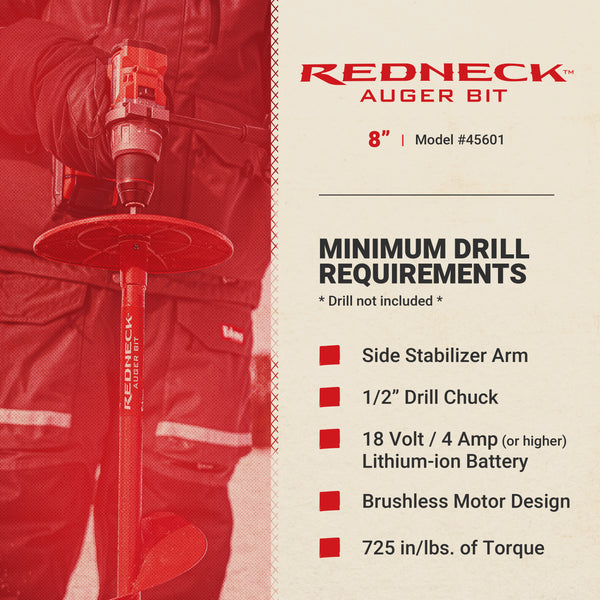
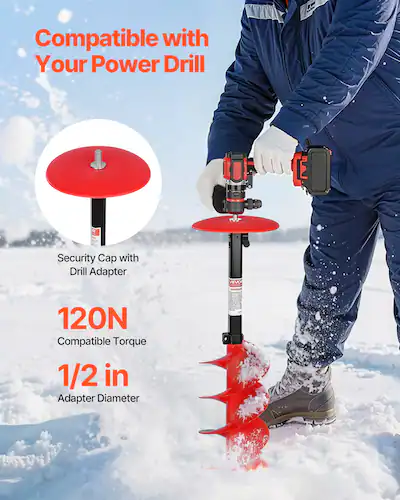
Choosing the right drill for your ice auger matters a lot. The drill must have enough torque to break thick ice without stopping. Many brands offer powerful drills made for this job. Some focus on high torque and durability, while others aim for affordable prices with decent power. Knowing the best brands and models helps you pick the right drill for your needs.
Popular High-torque Drills
Drills with high torque handle tough ice easily. Brands like Milwaukee, DeWalt, and Makita have models designed for ice augers. These drills have strong motors and long battery life. They keep working even in cold weather. Their grip and balance make drilling easier and safer.
Budget-friendly Options
Not everyone needs the most powerful drill. Some affordable models still provide good torque for ice drilling. Brands such as Ryobi and Black+Decker offer budget drills that perform well. These drills are lighter and easier to use for beginners. They work fine for less frequent ice fishing trips.
User Reviews And Ratings
Customer feedback shows how drills perform in real life. Many users praise high-torque drills for speed and reliability. Budget options get good marks for value and ease of use. Some mention battery life as a key point. Reading reviews helps you find a drill that fits your needs.
Credit: www.bestbuy.com
Frequently Asked Questions
What Is The Minimum Torque Needed For An Ice Auger Drill?
The minimum torque for an ice auger drill is typically around 15-20 Nm. This torque ensures efficient drilling through thick ice without straining the motor or user.
How Does Torque Affect Ice Auger Performance?
Torque impacts the drill’s ability to cut through ice quickly and smoothly. Higher torque means better power for dense ice, reducing effort and improving drilling speed.
Can Low Torque Drills Handle Thick Ice?
Low torque drills may struggle with thick ice, causing slower drilling and increased wear. For thick ice, higher torque drills are recommended for efficient performance.
Why Choose A High Torque Drill For Ice Augers?
High torque drills provide consistent power and better control. They reduce motor strain and improve drilling efficiency, especially in hard or thick ice conditions.
Conclusion
Choosing the right minimum torque drill helps make ice auger work easier. A drill with enough power cuts through ice quickly and saves energy. Too low torque means slow drilling and more effort. Keep torque balanced with drill size for best results.
This way, your ice fishing trips will be more fun and less tiring. Remember, the right drill makes all the difference on the ice. Simple tools, good torque, happy fishing.