Are you struggling with your drill press spinning too fast for your project? Using the right speed is crucial to getting clean, precise holes without damaging your materials or tools.
If your drill press runs too quickly, it can cause overheating, wear down your drill bits, or ruin your workpiece. But don’t worry—slowing down your drill press is easier than you think. You’ll discover simple, effective ways to control and reduce your drill press speed, so you can work smarter and get better results every time.
Keep reading to learn how to take full control of your drill press and protect your tools and projects.
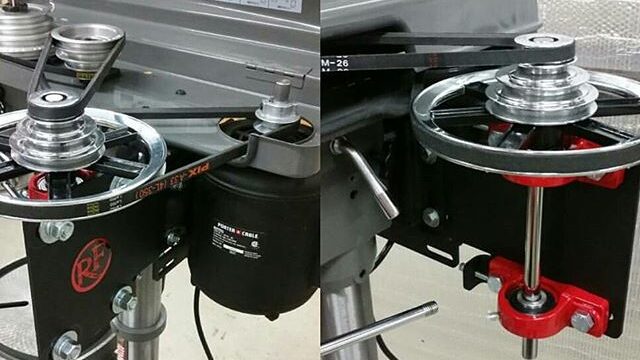
Credit: www.roguefab.com
Article Summary
Reasons To Slow Drill Press Speed
Slowing down the drill press speed is important in many situations. It helps protect your materials, tools, and improves the quality of your work. Understanding why you should slow the speed can save time and avoid problems.
Material Considerations
Different materials need different speeds. Hard materials like metal require slower speeds. Fast speeds can cause overheating and damage. Soft materials, such as wood, also benefit from slower drilling. It prevents cracking and splintering. Adjusting speed to material type keeps your work safe.
Tool Longevity
Slower speeds reduce wear on drill bits. High speeds cause bits to heat up quickly. Heat weakens the metal and dulls the edge. Slowing the speed helps drill bits last longer. It also lowers the chance of breaking tools during work.
Improved Accuracy
Slowing down drill speed improves control. It helps keep the drill steady and straight. This leads to cleaner, more precise holes. Faster speeds can cause the drill to slip or wander. Slow speed keeps your work accurate and neat.

Credit: www.reddit.com
Adjusting Belt And Pulley Settings
Adjusting the belt and pulley settings is a common way to slow down your drill press speed. This method changes how fast the drill spins by altering the belt’s position on the pulleys. It is a simple mechanical adjustment that affects the machine’s speed directly.
Understanding how to find and change the belt and pulley setup helps you control the drill press better. It also extends the tool’s life by matching the speed to the material you drill. Let’s explore the steps to adjust these settings safely and effectively.
Locating The Belt System
The belt system sits under the drill press’s top cover. Usually, this cover is on the head of the machine. Open it by loosening screws or flipping a latch. Inside, you will see a belt connecting two pulleys. One pulley is on the motor shaft, the other on the drill spindle. This setup moves power from the motor to the drill bit.
Changing Pulley Positions
To change speed, move the belt to different pulley grooves. Pulleys often have multiple steps or sizes. Placing the belt on larger pulleys slows the drill down. Moving it to smaller pulleys makes it faster. First, loosen the motor mount to reduce belt tension. Slide the belt off one pulley and onto another. Then, tighten the motor mount again to keep the belt firm. Make sure the belt sits flat and tight in the grooves.
Safety Tips
Always turn off and unplug the drill press before adjusting the belt. Allow the machine to cool if it has been running. Use gloves to protect your hands from sharp edges. Avoid loose clothing or jewelry near moving parts. Check that all covers and guards are in place before restarting. Follow these steps to prevent accidents and injuries.
Using Variable Speed Controls
Using variable speed controls is an effective way to slow down drill press speed. These controls help you adjust the speed smoothly and safely. They allow better control over drilling tasks and improve accuracy. Variable speed mechanisms suit different materials and drill bit types. Understanding how these controls work can make your drilling projects easier and safer.
Types Of Variable Speed Mechanisms
Drill presses use several types of variable speed controls. One common type is the belt and pulley system. It changes speed by moving the belt to different pulleys. Another type is the electronic variable speed control. It adjusts speed using a dial or slider. Some models have a digital display for precise speed settings. Each type offers different levels of control and ease of use.
Adjusting Speed Smoothly
To slow down the drill press smoothly, use the speed control dial or lever. Turn the dial slowly to avoid sudden speed changes. Sudden shifts can cause damage or poor drilling results. Electronic controls allow gradual adjustments without stopping the drill. Always start at a low speed, then increase if needed. Smooth speed changes help maintain control and reduce wear on the machine.
Maintaining Consistent Rpm
Consistent RPM is important for clean and accurate holes. Variable speed controls help keep the drill running at steady speeds. Avoid rapid speed changes during drilling. Sudden changes can break the drill bit or damage the material. Use the control to set the speed and keep it steady. This improves the quality of your work and extends tool life.
Adding External Speed Reducers
Adding external speed reducers is a practical way to slow down your drill press speed. These devices connect to the drill press motor and reduce the speed before it reaches the spindle. This method is useful when you need more control for delicate drilling tasks.
Speed reducers come in various types, such as belt-driven pulleys and gearboxes. They help achieve precise speeds without changing the drill press motor itself. This keeps the motor running efficiently while giving you the right speed for your project.
Benefits Of Speed Reducers
Speed reducers protect drill bits from overheating. They improve drilling accuracy by providing steady, slow speeds. These devices extend the life of your drill press. You get better control over the drilling process. They also reduce wear on belts and pulleys.
Installation Process
First, turn off and unplug the drill press. Remove the motor belt from the pulleys carefully. Attach the speed reducer between the motor and spindle. Secure it tightly with bolts or screws. Reinstall the belt on the new pulleys. Test the drill press at low speed before use.
Compatibility Issues
Check the speed reducer size matches your drill press motor. Confirm the belt type fits with the new pulleys. Make sure the reducer supports your drill press power. Look at the shaft alignment to avoid vibration. Some reducers need extra space for installation. Verify these points to avoid problems.
Selecting Appropriate Drill Bits
Selecting the right drill bit affects how well your drill press works. The bit controls cutting speed and quality. Choosing bits that match your material and task slows down the drill press speed naturally. This saves the motor and improves safety.
Bit Material And Speed
Drill bits come in different materials. High-speed steel (HSS) bits work well for wood and soft metals. Carbide bits handle harder metals but require slower speeds. Using the correct bit material reduces heat and wear. This lets you run the drill press slower without losing cutting power.
Size And Shape Impact
Larger drill bits need slower speeds to cut smoothly. Smaller bits can turn faster without damage. The shape also matters. Twist bits are common for general use. Spade bits or Forstner bits cut differently and need different speeds. Matching bit size and shape to the job helps control drill press speed effectively.
Sharpness And Maintenance
Dull bits slow down drilling and cause heat buildup. Sharp bits cut faster and cleaner. Keep bits sharp by regularly grinding or replacing them. Clean bits remove material better and reduce friction. Well-maintained bits allow slower drill press speeds while keeping good performance.
Lubrication And Cooling Tips
Keeping your drill press cool and well-lubricated helps slow down its speed safely. Proper lubrication reduces friction between moving parts. Cooling prevents the machine from overheating during use. Both steps extend the life of your drill press and improve performance.
Types Of Lubricants
Choose lubricants made for metal tools and machines. Light machine oil works well for most drill presses. Grease is thicker and suits heavy-duty parts. Some use cutting oil to cool and lubricate the drill bit. Avoid using household oils; they can gum up the machine.
Application Methods
Apply oil sparingly to moving parts like gears and spindles. Use a dropper or small brush for control. For grease, use a grease gun or apply with a cloth. Regularly wipe off old lubricant before applying new oil. Keep the drill bit cool by applying cutting oil during drilling.
Preventing Overheating
Run the drill press at slower speeds to reduce heat. Take breaks during long drilling sessions to let it cool. Use coolant or cutting oil on the drill bit to lower temperature. Check the machine for dust or debris that can cause overheating. Clean and lubricate parts often to keep heat low.
Common Mistakes To Avoid
Slowing down the drill press speed improves control and safety. Many users make simple mistakes that cause damage or poor results. Avoiding these common errors helps you get the best from your drill press. Understand each mistake to keep your work smooth and accurate.
Overdriving The Drill
Applying too much pressure on the drill bit can cause serious problems. It wears out the bit faster and may break it. The motor also strains and can overheat. Let the drill do the work at a steady pace. Push gently and avoid forcing the drill through the material.
Ignoring Maintenance
Neglecting regular upkeep reduces the drill press’s performance. Dirt and debris build-up affect the speed control and precision. Lubricate moving parts and clean the machine often. Check belts and pulleys for wear and replace when needed. Proper maintenance keeps the speed control reliable.
Incorrect Speed Settings
Using the wrong speed for your material can ruin your project. Too fast speeds cause burning or melting, while too slow can break the bit. Always choose the correct speed based on material type and drill bit size. Adjust the speed settings carefully before starting your work.
:max_bytes(150000):strip_icc()/WD322834-1ea0508b9fb74ab0b49eb7ed783de4cd.jpg)
Credit: www.woodmagazine.com
Frequently Asked Questions
How Can I Reduce Drill Press Speed Safely?
To reduce drill press speed safely, adjust the belt on stepped pulleys. Lower the belt to larger diameter pulleys to slow the spindle. Always unplug the machine before making adjustments for safety. Use the speed chart as a guide.
What Tools Help Control Drill Press Speed?
A variable speed controller or a VFD (Variable Frequency Drive) helps control drill press speed. These devices allow precise speed adjustments without changing belts. They improve efficiency and protect the motor. Ensure compatibility with your drill press model before installation.
Why Slow Down Drill Press Speed For Certain Materials?
Slowing drill press speed prevents overheating and damage to soft or brittle materials. It improves drill bit life and ensures cleaner holes. Hard materials often require lower speeds to avoid burning or dulling the bit. Adjust speed based on material hardness.
Can Changing Drill Bits Affect Drill Press Speed?
Yes, different drill bits require different speeds for optimal performance. Larger diameter bits need slower speeds. High-speed steel bits usually operate faster than carbide bits. Always match drill speed to the bit type and material for best results.
Conclusion
Slowing down your drill press speed helps improve control and safety. Adjust the belt, pulley, or motor settings to find the right speed. Slower speeds prevent overheating and protect your drill bits. Always check your machine’s manual for specific instructions.
Take your time and work carefully for better results. A well-set speed makes drilling easier and lasts longer. Keep practicing these steps to improve your skills. Safe drilling starts with the right speed.