Forstner bits are an essential tool for woodworkers who want smooth, flat-bottomed holes with clean edges. Over time, however, even the best Forstner bits become dull. A dull bit tears wood fibers, leaves rough holes, and can even damage your project.
Sharpening your Forstner bits brings them back to life, saves money, and improves your results. Many woodworkers think sharpening is difficult, but with the right approach, anyone can do it.
Article Summary
- Understanding Forstner Bits
- Signs Your Forstner Bit Needs Sharpening
- Tools Needed For Sharpening Forstner Bits
- How Forstner Bits Dull And Why It Matters
- Step-by-step Guide: How To Sharpen Forstner Bits
- Key Points For Beginners
- Comparison: Manual Vs. Machine Sharpening
- How Often Should You Sharpen Forstner Bits?
- Practical Tips For Best Results
- Common Mistakes And How To Avoid Them
- When To Replace Instead Of Sharpen
- Sharpening Different Sizes And Types
- Table: Forstner Bit Materials And Sharpening Difficulty
- Storing And Caring For Sharpened Bits
- Professional Sharpening Services
- Frequently Asked Questions
Understanding Forstner Bits
Forstner bits are designed for drilling precise, flat-bottomed holes. Unlike twist bits, they have a circular rim, sharp cutting edges, and a central point. The rim scores the wood, while the cutting edges remove material. The unique design lets Forstner bits drill overlapping holes and work near edges. Because they cut so precisely, keeping them sharp is critical.
Signs Your Forstner Bit Needs Sharpening
You might wonder how to tell if your Forstner bit is dull. Here are the most common signs:
- Burn marks on wood
- Rough or splintered hole edges
- Increased effort when drilling
- Smoke or excessive heat during use
- Bit stalls or chatters in the drill press
If you notice any of these, it’s time to sharpen your bit.

Credit: www.youtube.com
Tools Needed For Sharpening Forstner Bits
Sharpening doesn’t require expensive equipment. Most woodworkers already have what they need:
- Diamond file or diamond honing stick (fine and extra-fine grits)
- Small flat file (for larger bits)
- Small slipstone or ceramic stone (optional)
- Magnifying glass (to check edges)
- Cloth or brush (to remove dust)
- Safety glasses
Diamond files are ideal because they cut quickly and leave a smooth edge. Slipstones are also good for final honing.
How Forstner Bits Dull And Why It Matters
Forstner bits dull in two main places: the rim (or perimeter) and the main cutting edges. The rim scores the wood, so if it’s dull, you get ragged holes. The cutting edges do the heavy lifting—if they’re not sharp, drilling feels slow and rough. Some bits also have spurs or center points that might need a touch-up.
A key point many beginners miss: Never change the shape or angle of the cutting edges. If you remove too much metal or alter the factory angles, the bit will cut poorly or overheat. The goal is to restore the original sharpness—nothing more.
Step-by-step Guide: How To Sharpen Forstner Bits
Sharpening Forstner bits is not complicated, but it requires patience and attention to detail. Here’s a proven method:
1. Clean The Bit
Before sharpening, clean the bit with a dry cloth or brush. Remove all wood dust and pitch. For sticky resin, a little mineral spirits helps. Dirt hides dull spots and can damage your files.
2. Inspect Under Good Light
Use a bright light and a magnifying glass. Look for dull edges, nicks, or shiny spots. These areas need sharpening.
3. Sharpen The Rim
The rim is responsible for clean entry cuts. Hold the bit firmly. Using your diamond file, stroke the inside face of the rim (not the outside). Follow the factory angle—usually about 20–30 degrees. Make gentle, even strokes. Avoid filing the outside, or you’ll change the bit’s diameter.
Work your way around the rim, checking often. When the rim feels sharp (no reflection or dullness), stop.
4. Sharpen The Main Cutting Edges
Now focus on the two main cutting edges. Again, use your diamond file or a fine slipstone. File only the top flat surface of each edge (the part facing the center of the bit). Maintain the original angle. Just a few light strokes are enough to restore sharpness.
Never file the underside, or you’ll change the cutting geometry.
5. Touch Up The Center Point And Spurs (if Needed)
If your bit has a center point or spurs, check for dullness. Use the corner of your file to touch up the inside faces. Be careful—removing too much metal can affect performance.
6. Check Your Work
Use your magnifying glass to inspect all cutting surfaces. The edges should look crisp and bright, with no nicks or dull spots. Run your fingernail gently along the edge—it should catch easily.
7. Clean And Test
Wipe the bit clean. Test it on a scrap piece of wood. A sharp Forstner bit should cut easily, make fine shavings, and leave a smooth hole.
Key Points For Beginners
Two important tips many people miss:
- Don’t over-sharpen. Removing too much metal shortens the life of your bit. You only need to restore the edge, not reshape it.
- Avoid power grinders. These heat the metal and can ruin temper. Hand files are safer and give more control.
Comparison: Manual Vs. Machine Sharpening
Sharpening can be done by hand or with machines. Here’s a quick comparison:
| Method | Pros | Cons |
|---|---|---|
| Manual (File/Stone) | Low cost, high control, low risk of damage | Slower, requires patience |
| Machine (Bench Grinder) | Faster, good for heavy damage | High risk of overheating, harder to control angles |
Most hobbyists prefer hand methods, especially for standard maintenance.
How Often Should You Sharpen Forstner Bits?
The answer depends on use, but most woodworkers find that sharpening every 10–20 holes in hardwood (or 30–40 in softwood) keeps bits in top shape. If you drill a lot, check your bits weekly. For occasional use, inspect before each project.
Credit: woodgears.ca
Practical Tips For Best Results
- Use light pressure. Let the file do the work.
- Mark your start point on the rim with a marker, so you don’t miss a spot.
- Sharpen all your bits at once to save setup time.
- Store bits in a dry place to avoid rust and keep edges sharp longer.
Common Mistakes And How To Avoid Them
Even experienced woodworkers can make mistakes when sharpening Forstner bits. Here are a few to watch out for:
- Filing the outside rim: This changes the bit size and ruins accuracy.
- Filing the underside of cutting edges: This changes the cutting angle, making the bit bite too aggressively or not at all.
- Using too coarse a file: Coarse files leave rough edges and remove too much metal.
- Sharpening too often: Only sharpen when needed. Over-sharpening wastes your bit.
When To Replace Instead Of Sharpen
Sometimes, bits are too damaged for sharpening. If you see large chips, bends, or cracks, it’s safer to replace the bit. Sharpening cannot fix deep pitting or broken rims.
Sharpening Different Sizes And Types
Most Forstner bits look similar, but larger bits may need a slightly bigger file. Carbide-tipped bits require a diamond file—ordinary files won’t work. Always check the manufacturer’s recommendations for special coatings or materials.
Table: Forstner Bit Materials And Sharpening Difficulty
| Material | Sharpening Tool | Difficulty |
|---|---|---|
| High-Speed Steel | Diamond or fine file | Easy |
| Carbide-Tipped | Diamond file only | Moderate |
| Coated Steel | Fine stone or file | Moderate |
Storing And Caring For Sharpened Bits
After sharpening, store your Forstner bits in a case or tool roll. Avoid letting them touch each other, as this dulls the edges. A light coating of oil prevents rust. Label your bits by size for quick selection.
Professional Sharpening Services
If you have a large set or expensive carbide bits, consider professional sharpening. Many tool shops or hardware stores offer this service. It’s more costly than DIY but gives factory-level results. For more information on bit sharpening services, check out this Wikipedia page about Forstner bits.
Frequently Asked Questions
How Do I Know If My Forstner Bit Is Sharp Enough?
A sharp Forstner bit cuts cleanly, makes fine shavings (not dust), and leaves a smooth hole with crisp edges. If you need to press hard or see burn marks, it’s time to sharpen.
Can I Use A Bench Grinder To Sharpen Forstner Bits?
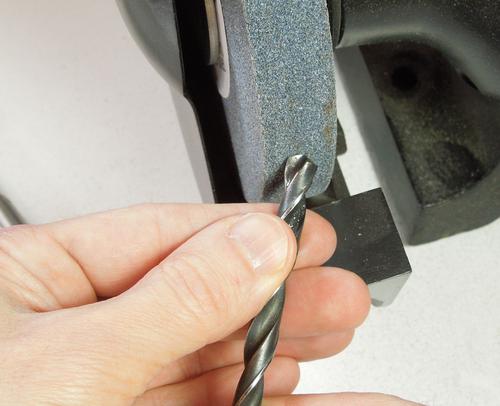
It’s possible, but not recommended for most users. Bench grinders remove material quickly and can overheat the bit, damaging the temper. Hand files or diamond stones give you more control and reduce the risk of mistakes.
How Long Does It Take To Sharpen A Forstner Bit?
For a bit that’s only slightly dull, sharpening takes about 5–10 minutes. Heavily worn bits may need more time. With practice, you’ll get faster.
Are Diamond Files Necessary For Sharpening?
Diamond files are the best choice, especially for carbide-tipped bits. They cut quickly and leave a fine edge. Standard files work for high-speed steel, but may struggle with harder materials.
Should I Sharpen All My Forstner Bits At Once?
It’s a good idea to sharpen all your bits in one session, especially if you use them regularly. This saves setup time and ensures you always have sharp bits ready for your next project.
Sharpening Forstner bits is a simple skill that pays off with cleaner holes, less effort, and longer tool life. With the right tools and careful technique, you can keep your bits performing like new. Whether you’re a beginner or an experienced woodworker, regular sharpening will help you get the best results from your tools.
:max_bytes(150000):strip_icc()/101636515-441263d62d794b83a02328e639406d5c.jpg)
Credit: www.woodmagazine.com