Drilling Through Cinder Block Safely: A Complete Guide
If you want to drill through cinder block walls, you must do it safely and correctly. Cinder block is a common material in basements, garages, and exterior walls. It’s strong and cost-effective, but it can be tricky to drill through. Mistakes can lead to cracks, broken bits, or even injuries. Many beginners worry about damaging their walls, choosing the wrong tools, or making messy holes. In this guide, you’ll learn everything you need for safe, clean drilling—whether you’re mounting shelves, installing wiring, or hanging artwork. You’ll get step-by-step instructions, practical advice, and expert tips that even most DIY books miss. Let’s break down the process so you can drill with confidence.
Article Summary
- Understanding Cinder Block
- Choosing The Right Tools
- Preparing For Drilling
- Step-by-step Drilling Process
- Common Mistakes To Avoid
- Advanced Tips For Perfect Results
- Comparing Anchors And Loads
- Real-world Example: Mounting A Shelf
- Cinder Block Drilling: Data And Statistics
- Troubleshooting Problems
- Safety Tips You Might Not Know
- Professional Recommendations
- Maintenance After Drilling
- Comparing Cinder Block To Other Materials
- Expert Insights: What Beginners Often Miss
- When To Call A Professional
- External Resources
- Frequently Asked Questions
Understanding Cinder Block
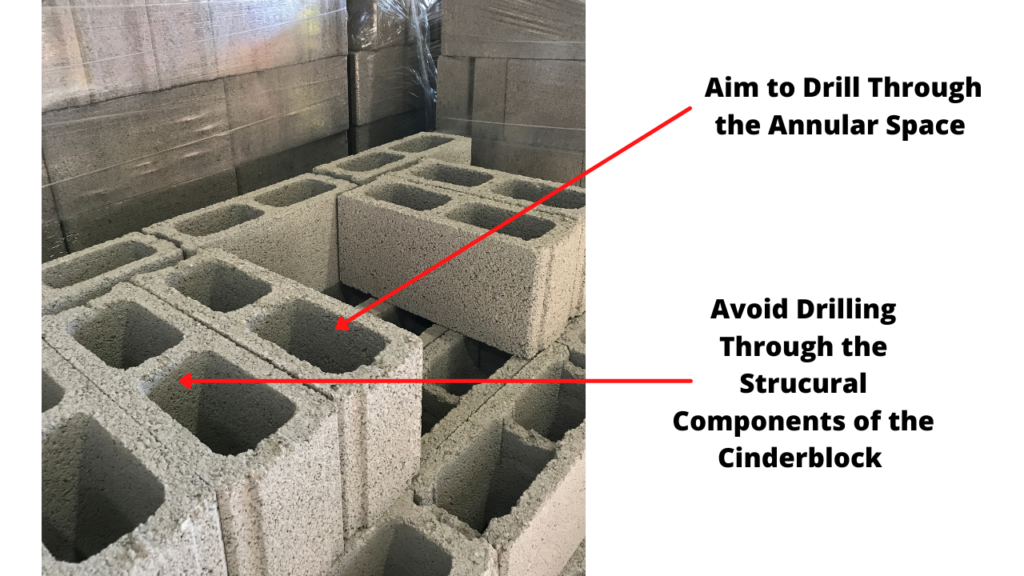
Before you start, it’s important to know what cinder block is. A cinder block is a rectangular brick made from concrete and coal cinders. It usually has two hollow cores. The hollow design makes the block lighter, but also means you could hit empty space while drilling.
Types Of Cinder Block Walls
There are two main types:
- Hollow cinder block: Most blocks used in homes are hollow, with two or three large holes inside. These holes help reduce weight and cost.
- Solid cinder block: These are heavier and used for certain structural projects.
Hollow blocks are easier to drill, but you may need special anchors. Solid blocks require more powerful tools. Always check which type you have by looking at exposed edges or asking your builder.
Why Cinder Block Is Tricky
Drilling through cinder block is challenging because:
- The material is brittle and can crack if you use too much force.
- The cores inside might make your anchors loose.
- Dust and debris can block your drill bit.
Knowing these challenges helps you pick the right tools and methods.
Choosing The Right Tools
Having the correct tools is the most important step for safe drilling. Here’s what you need:
Drill Types
| Drill Type | Suitable For | Pros | Cons |
|---|---|---|---|
| Hammer Drill | Cinder block, brick, concrete | Powerful, fast, reduces cracking | Heavier, more expensive |
| Regular Drill | Light jobs, soft walls | Easy to use, cheaper | Slower, may overheat |
| Rotary Hammer | Large holes, thick walls | Very strong, professional grade | Bulky, costly |
For most home projects, a hammer drill is best. It creates a pounding motion that breaks the block’s surface easily.
Drill Bits
Use masonry bits—these are designed for stone, concrete, and brick. Standard wood or metal bits won’t work and may break. Masonry bits have a carbide tip that stays sharp longer. Choose the right diameter for your project (usually 1/4″ to 1/2″ for anchors).
Anchors And Fasteners
You need anchors to hold screws in the block. The type depends on whether you hit a hollow or solid area.
- Sleeve anchors: Good for solid block.
- Toggle bolts: Work in hollow sections.
- Plastic anchors: Use for light loads.
Pick anchors rated for masonry. Check the weight limit, especially if you’re hanging heavy items.
Safety Gear
Never skip safety gear when drilling:
- Safety goggles (protect eyes from dust)
- Dust mask (avoid inhaling debris)
- Ear protection (especially for loud hammer drills)
- Gloves (for grip and protection)
Extra Tools
You’ll also need:
- Tape measure
- Pencil or chalk (to mark holes)
- Level (for accurate placement)
- Vacuum or brush (to clean dust)

Credit: www.youtube.com
Preparing For Drilling
Preparation is key for safe drilling. Follow these steps:
Check The Wall
Inspect the block for cracks, moisture, or loose mortar. Avoid drilling near damaged spots. If your wall is wet, let it dry—moisture weakens the block.
Find Electrical Wires Or Pipes
Never drill without checking for hidden wires or pipes. Use a stud finder with wire detection, or ask a professional if you’re unsure. Drilling into wires can cause shocks or fire.
Mark The Spot
Measure carefully and mark where you want your hole. Use a level to keep lines straight. Double-check measurements—moving a hole later is difficult.
Choose Anchor Type
Decide which anchor suits your load and wall type. If you’re unsure, drill a small test hole to check if it’s hollow or solid.
Gather Everything Nearby
Set your tools and safety gear within reach. This avoids last-minute searching and keeps your workspace tidy.
Step-by-step Drilling Process
Follow these steps for safe, clean drilling:
1. Put On Safety Gear
Wear goggles, gloves, and a dust mask. This is not optional—dust can cause eye injuries and breathing problems.
2. Start With A Small Pilot Hole
Begin with a small masonry bit (1/8″ or 3mm). Drill slowly at first. A pilot hole helps guide your main bit and reduces cracking.
3. Increase Bit Size Gradually
Switch to your desired bit size. Don’t jump from tiny to large—step up bit sizes to avoid stress on the block. For example, go from 1/8″ to 1/4″, then to 3/8″ if needed.
4. Use The Hammer Setting
If your drill has a hammer function, turn it on. Let the drill do the work; don’t force it. Forcing can crack the block or overheat the bit.
5. Apply Steady Pressure
Hold the drill with both hands. Press gently—too much force will damage the wall. Let the drill bit spin and chip away the material.
6. Stop Frequently To Clear Dust
Dust builds up fast. Every 30 seconds, stop drilling and vacuum or brush out dust from the hole. This keeps your bit cool and prevents jams.
7. Drill To The Correct Depth
Many bits have a depth marker. For anchors, drill about 1/2″ deeper than the anchor’s length. If unsure, measure the bit and mark it with tape.
8. Test Anchor Fit
Insert your anchor to check the fit. If it’s loose, the hole may be too big. If it’s tight, gently widen the hole.
9. Clean The Hole
Use a vacuum, compressed air, or brush to clear all debris. Anchors work best in clean holes.
10. Insert Anchor And Fasten
Push the anchor into the hole. Use a screwdriver or wrench to set it. Finally, attach your item.
Common Mistakes To Avoid
Drilling through cinder block is not complicated, but beginners often make simple errors. Here are mistakes you should avoid:
- Skipping safety gear: Dust is dangerous. Always protect your eyes and lungs.
- Forcing the drill: Let the tool work; too much pressure cracks the block.
- Using wrong drill bits: Wood or metal bits won’t last; use masonry bits only.
- Not checking for wires: Always scan for hidden wires or pipes.
- Drilling too close to edges: Holes near edges can cause the block to crumble.
- Ignoring anchor size: Use anchors that match hole diameter and load weight.
- Over-drilling: Too deep holes weaken the block and make anchors loose.
- Not clearing dust: Dust clogs holes and overheats bits.
- Skipping pilot holes: Starting with large bits increases cracking risk.
- Mounting heavy loads in hollow cores: Heavy items need solid support.
By avoiding these mistakes, your project stays safe and lasts longer.
Advanced Tips For Perfect Results
If you want professional-level results, try these advanced tips:
Slow Speed, High Power
Use a low drill speed but high torque. Fast spinning overheats the bit and causes more dust. Slow, steady drilling gives cleaner holes.
Cooling The Drill Bit
For large jobs, pause often and dip your bit in water. This cools the bit and reduces wear. Never spray water on the wall—it weakens the block.
Using A Depth Stop
Many drills have a depth stop—a metal rod that sets the maximum hole depth. If yours doesn’t, wrap tape around the bit at the right depth.
Reinforcing Hollow Holes
If your anchor lands in a hollow core, fill it with expanding foam or a small amount of concrete. This gives anchors more grip.
Checking Anchor Load Ratings
Always check the anchor’s rated weight. For example, sleeve anchors can hold 50–100 lbs, while toggle bolts may support 20–30 lbs. Don’t overload—safety first.
Multiple Anchors For Heavy Loads
For shelves, TVs, or cabinets, use multiple anchors spaced evenly. This spreads the weight and prevents wall damage.
Dust Collection Attachment
Some drills have dust collection attachments. These connect to a vacuum and keep your workspace clean. If you drill often, invest in one.
Practice On Scrap
If you’re unsure, practice on a scrap block before drilling your wall. This helps you learn drill speed and pressure.
Checking Local Building Codes
Some projects, like mounting large AC units or electrical panels, must follow local codes. Always check rules before you drill.
Comparing Anchors And Loads
Here’s how common anchors perform in cinder block:
| Anchor Type | Best For | Max Load (lbs) | Used In |
|---|---|---|---|
| Sleeve Anchor | Solid block | 100 | Heavy shelves, brackets |
| Toggle Bolt | Hollow block | 30 | Light fixtures, hooks |
| Plastic Anchor | Small loads | 10 | Pictures, small items |
| Concrete Screw | Solid/hollow | 50 | Medium loads |
Always match anchor type to your wall and load.
Real-world Example: Mounting A Shelf
Let’s walk through a common project: mounting a shelf on a cinder block wall.
- Measure and mark: Use a tape measure and level to mark shelf positions.
- Check for wires: Scan for hidden cables.
- Select sleeve anchors: If your block is solid, sleeve anchors are best.
- Drill pilot holes: Start with a small masonry bit.
- Expand holes: Switch to a 3/8″ bit for anchors.
- Clean holes: Vacuum out dust.
- Insert anchors: Tap them in gently.
- Mount shelf brackets: Attach using screws.
- Check stability: Test with light pressure before adding items.
This process works for most installations—use similar steps for hooks, art, or fixtures.
Cinder Block Drilling: Data And Statistics
Some useful data about drilling cinder block:
- Hammer drills reduce cracking risk by 60% compared to regular drills.
- Masonry bits last 5–10 times longer than wood or metal bits in block.
- Anchors in solid block hold up to 3 times more weight than in hollow cores.
- Over 20% of DIYers damage walls due to skipping pilot holes.
- Most cinder blocks are 16″ long x 8″ high x 8″ deep (standard US size).
Knowing these facts helps you choose the right tools and avoid common problems.
Troubleshooting Problems
Even with good preparation, problems can happen. Here’s how to solve the most common issues:
Cracks Appearing Near Hole
Stop drilling. Fill cracks with concrete patch and let dry before continuing. Drill further from the crack next time.
Anchor Won’t Grip
If anchors spin or pull out, the hole may be too large or in a hollow. Try a bigger anchor, or fill the hole with foam before re-drilling.
Dust Overload
If dust builds up, pause and clear the hole. Use a vacuum or compressed air. Dust slows drilling and heats up your bit.
Drill Bit Gets Stuck
Reverse the drill slowly. If it’s jammed, tap gently and wiggle the bit free. Never force it—bits can snap.
Excessive Vibration
Check your drill settings. Too much vibration means you’re using the wrong speed or bit. Slow down and use a masonry bit.
Hole Is Too Big
Try a larger anchor or fill the hole with patch material. Never try to “fix” by using glue—anchors need solid grip.
Safety Tips You Might Not Know
Most guides cover basic safety, but here are some less obvious tips:
- Check your drill’s cord for damage. Old cords can spark or shock.
- Keep pets and kids away from your workspace. Flying debris can injure them.
- Work in a well-lit area. Shadows make it hard to see marks and holes.
- Avoid drilling in freezing weather. Cold makes block brittle and more likely to crack.
- Store bits properly. Dull, rusty bits break more easily.
These tips keep your project safe and smooth.
Professional Recommendations
Professionals suggest a few extra steps:
- Use a hammer drill for any hole larger than 1/4″.
- Drill at 90 degrees to the wall for best anchor strength.
- For hollow blocks, use toggle bolts with wings that expand inside the core.
- When mounting heavy items, use at least two anchors spaced apart.
- Always clean holes before inserting anchors.
If you want results that last, follow these recommendations.
Maintenance After Drilling
After your project, take care of your tools and wall:
- Clean your drill bits: Wipe them with oil to prevent rust.
- Check anchors yearly: Make sure they’re still tight.
- Seal holes not used: Fill unused holes with mortar to keep bugs and moisture out.
- Store tools safely: Keep drills and bits away from moisture.
Proper maintenance means your tools last longer and your wall stays strong.
Comparing Cinder Block To Other Materials
If you’re planning more projects, here’s how cinder block compares to other wall types:
| Wall Type | Drilling Difficulty | Best Tool | Anchor Type |
|---|---|---|---|
| Cinder Block | Medium | Hammer Drill | Sleeve/Toggle |
| Brick | Hard | Hammer Drill | Sleeve |
| Drywall | Easy | Regular Drill | Plastic |
| Concrete | Hard | Rotary Hammer | Sleeve |
Cinder block is easier than brick or concrete, but harder than drywall. Choose your tools and anchors based on wall type.
Credit: atimprovements.com
Expert Insights: What Beginners Often Miss
Many first-timers overlook these important points:
- Pilot holes reduce cracking: Starting small prevents damage.
- Anchors must match load and wall type: Using the wrong anchor leads to failures.
- Drill slowly and clear dust often: This keeps bits cool and holes clean.
- Check for hollow cores: Anchors in empty space won’t hold heavy items.
These insights can save you time and money—and keep your wall intact.
When To Call A Professional
Some situations require expert help:
- If you need to mount very heavy items (over 100 lbs)
- If your wall shows signs of damage, moisture, or instability
- If you’re unsure about wiring or plumbing locations
- For large projects like AC units or electrical panels
A professional can handle tricky jobs safely. If in doubt, get advice from a builder or electrician.
External Resources
For more details on masonry drilling and safety guidelines, see Wikipedia: Drill.
Frequently Asked Questions
How Deep Should I Drill Into Cinder Block?
Most anchors require holes about 1/2″ deeper than the anchor’s length. For example, a 2″ anchor needs a 2.5″ hole. Always check anchor instructions.
Can I Use Regular Drill Bits For Cinder Block?
No. Only masonry bits are strong enough. Regular bits break or overheat quickly.
What If I Hit A Hollow Core While Drilling?
If you hit a hollow, use toggle bolts or fill the core with foam. Hollow anchors grip better in empty spaces.
How Can I Avoid Cracking The Block?
Always start with a pilot hole, drill slowly, and avoid drilling near edges. Use a hammer drill and masonry bit.
Is Drilling Cinder Block Noisy?
Yes. Hammer drills are loud. Wear ear protection and warn others nearby.
Drilling through cinder block is not difficult if you use the right tools and steps. With careful preparation and attention to detail, your holes will be safe, clean, and strong. Remember to check your wall type, use proper anchors, and clear dust often.
These methods help you avoid damage and get lasting results. Happy drilling!
Credit: atimprovements.com