Drilling self-drilling screws into metal can look simple, but getting it right needs careful steps and the right tools. Many people struggle with broken screws, stripped holes, or even damaged metal. In this guide, you’ll learn everything you need to know to use self-drilling screws safely and successfully with metal. Whether you’re fixing a metal roof, building a frame, or hanging electrical boxes, these techniques will help you get strong, long-lasting results.
Article Summary
- Understanding Self Drilling Screws
- Tools And Materials You Need
- Preparing The Metal For Drilling
- Step-by-step Guide: How To Drill Self Drilling Screws Into Metal
- Common Mistakes And How To Avoid Them
- When To Pre-drill A Pilot Hole
- Comparing Self-drilling Screws To Other Metal Fasteners
- Safety Tips
- Real-world Examples
- Troubleshooting: What To Do If Things Go Wrong
- How To Choose The Best Self Drilling Screws For Your Project
- Non-obvious Insights For Better Results
- When To Call A Professional
- Frequently Asked Questions
Understanding Self Drilling Screws
Self-drilling screws, sometimes called Tek screws, are designed for fastening metal to metal or metal to wood. The key feature is their drill point at the tip, which acts like a small drill bit. This means you don’t need to pre-drill a hole in most cases.
How Self Drilling Screws Work
The screw’s sharp tip cuts into the metal, making its own hole. As the threads grip, the screw pulls itself tight against the surface. This saves time and reduces the number of tools you need.
Types And Materials
Self-drilling screws come in different shapes and materials. Common types include:
- Hex head – Easy to grip with a wrench or socket.
- Pan head – Flat top, often used for electrical boxes.
- Countersunk head – Sits flush with the metal surface.
Most are made from hardened steel or stainless steel. Stainless steel is better for outdoor use because it resists rust. Hardened steel is stronger and good for thick metal.
Sizes And Strength
The screw size matters. Thicker screws are stronger but need more force to drive in. Screw length should match the thickness of both materials being joined.
Here is a quick comparison of common screw sizes:
| Size (Gauge) | Diameter (mm) | Drill Point Length (mm) | Recommended Metal Thickness (mm) |
|---|---|---|---|
| #8 | 4.2 | 2.5 | Up to 2.5 |
| #10 | 4.8 | 3.0 | Up to 5 |
| #12 | 5.5 | 4.0 | Up to 7 |
Choosing the correct size is important for strength and safety.
Tools And Materials You Need
Before starting, gather all the tools and materials. Having everything ready will help you work smoothly and avoid mistakes.
- Self-drilling screws of the right size and material
- Electric drill or impact driver (cordless is fine)
- Magnetic bit holder (helps hold the screw on the bit)
- Hex socket or screwdriver bit matching the screw head
- Safety glasses (for eye protection)
- Work gloves (for hand safety)
- Measuring tape or ruler
- Marker or punch (for marking holes)
- Clamps (to hold materials steady)
Optional Tools
- Lubricant (like WD-40) for thick or hard metals
- Level (for alignment)
- Vacuum or brush (for cleaning metal shavings)
Preparing The Metal For Drilling
Proper preparation is often missed by beginners. Skipping this step can lead to crooked screws, poor grip, or even injury.
1. Mark The Hole Position
Use a marker to clearly mark where each screw will go. For more accuracy, use a center punch to make a small dent. This keeps the drill tip from slipping when you start.
2. Clamp The Metal
If you’re joining two pieces, make sure they are tightly clamped together. Loose pieces can shift, causing weak joints or broken screws.
3. Check Metal Thickness
Self-drilling screws work best in metal up to about 6mm thick. For thicker metal, you may need to pre-drill a pilot hole or use a different type of fastener.
4. Clean The Surface
Remove dirt, oil, or old paint from the area. This helps the screw bite into clean metal and prevents slipping.
Step-by-step Guide: How To Drill Self Drilling Screws Into Metal
Here’s how to get the best results, step by step.
1. Choose The Right Drill Bit And Driver
Match the bit to your screw head. For hex heads, use a socket driver. For Phillips or Pozidriv heads, use the correct screwdriver bit. Using the wrong bit can strip the screw head.
2. Set Drill Speed
Use a medium speed for most self-drilling screws. High speed can overheat the screw, making it lose strength. For harder metals, go slower.
3. Insert The Screw
Place the screw in the bit holder and line it up with your marked spot. Hold the drill at a 90-degree angle to the metal. This prevents the screw from going in at a slant.
4. Start Drilling
Apply firm, steady pressure. Let the drill point cut into the metal. Don’t force it. You’ll see metal shavings appear as the screw digs in.
5. Drive The Screw
Once the tip breaks through, keep steady pressure until the screw head is tight against the metal. Do not over-tighten. This can strip the threads or snap the screw.
6. Check The Result
The head should sit flat against the metal. If it spins or feels loose, remove it and try a new screw. Never leave a loose screw in structural work.

Credit: woodworking.stackexchange.com
Common Mistakes And How To Avoid Them
Even experienced workers can make mistakes with self-drilling screws in metal. Here are some pitfalls and how to fix them:
- Stripped Screw Head: Often caused by the wrong bit or slipping. Always use the correct driver and apply steady pressure.
- Broken Screws: Usually from too much force or high speed. Let the screw do the work—don’t push hard.
- Misaligned Screws: Caused by not marking or clamping materials. Always mark positions and clamp pieces together.
- Over-tightening: This strips the threads or crushes thin metal. Stop as soon as the head is snug.
- Using the Wrong Screw Type: Not all self-drilling screws are equal. For stainless steel, use stainless screws to avoid corrosion.
When To Pre-drill A Pilot Hole
While self-drilling screws usually don’t need pilot holes, sometimes pre-drilling is better:
- For very thick metal (over 6mm)
- If using a screw size not suited for the thickness
- When working in tight spots where control is hard
A pilot hole should be smaller than the screw’s diameter, just enough to guide the tip.
Comparing Self-drilling Screws To Other Metal Fasteners
It’s helpful to see how self-drilling screws stack up against other options:
| Fastener Type | Pre-Drilling Needed? | Speed | Best Use |
|---|---|---|---|
| Self-drilling screw | No | Fast | Sheet metal, quick jobs |
| Self-tapping screw | Sometimes | Medium | Thin metal, plastic |
| Machine screw + nut | Yes | Slow | Heavy-duty joints |
| Pop rivet | Yes | Medium | Permanent joints |
Self-drilling screws are a great choice for speed and ease when joining thin to medium-thick metal.
Safety Tips
Working with metal and power tools can be dangerous. Keep these safety ideas in mind:
- Always wear safety glasses to protect your eyes from metal shavings.
- Use work gloves to avoid sharp edges on metal.
- Secure your workspace and keep bystanders away.
- Unplug tools when changing bits or cleaning shavings.
- Never try to hold small metal pieces with your hands—use clamps.
Credit: bdnfasteners.com
Real-world Examples
Here are some common projects where self-drilling screws are used:
- Metal roofing: Fastening sheets to steel or wood frames.
- HVAC ductwork: Sealing and joining metal ducts.
- Electrical boxes: Mounting boxes to steel studs.
- Car repairs: Fixing panels or brackets.
One hidden tip: In outdoor or wet environments, always use stainless steel self-drilling screws. Regular steel can rust quickly, weakening the joint.
Troubleshooting: What To Do If Things Go Wrong
Even with the right steps, things can go off track. Here’s how to handle common problems:
- Screw won’t go in: Metal may be too thick, or the screw too dull. Try a pilot hole or a new screw.
- Screw spins but won’t tighten: The hole is stripped. Use a larger screw or fill the hole with a metal filler and try again.
- Screw breaks off: Remove with pliers. If stuck, drill out and use a larger screw.
Credit: www.celofixings.com
How To Choose The Best Self Drilling Screws For Your Project
Don’t just pick any screw—choose based on your needs:
- Metal thickness: Thicker metal needs longer drill tips.
- Corrosion risk: Use stainless steel for outdoor or damp places.
- Head style: Hex for roofing, pan for boxes, countersunk for flat finish.
- Size: Match the screw length to the total material thickness.
Here’s a quick guide to help:
| Project | Recommended Screw | Reason |
|---|---|---|
| Metal roofing | Hex head, stainless, #10 x 1″ | Weatherproof, easy drive |
| Electrical boxes | Pan head, hardened steel, #8 x 3/4″ | Shallow, good grip |
| General framing | Hex head, hardened steel, #12 x 1-1/4″ | Strong, holds heavy loads |
Non-obvious Insights For Better Results
Many guides leave out these practical tips:
- Let the screw cool between uses: If driving many screws, pause between each. Overheated screws lose their hardness and can break easily.
- Use lubricant for thick metal: A drop of oil on the screw tip reduces friction and heat, helping the screw cut more easily.
- Test on scrap first: If you’re new to metalwork, try a few practice screws on scrap pieces. This helps you get a feel for speed and pressure.
When To Call A Professional
If you are working on important load-bearing structures (like steel beams in a building), or if you are unsure about the material, don’t risk it. Call a professional or consult with an expert. Mistakes in these cases can be costly or dangerous.
For technical details and standards, you can check the Wikipedia page on self-drilling screws.
Frequently Asked Questions
What Is The Difference Between Self-drilling And Self-tapping Screws?
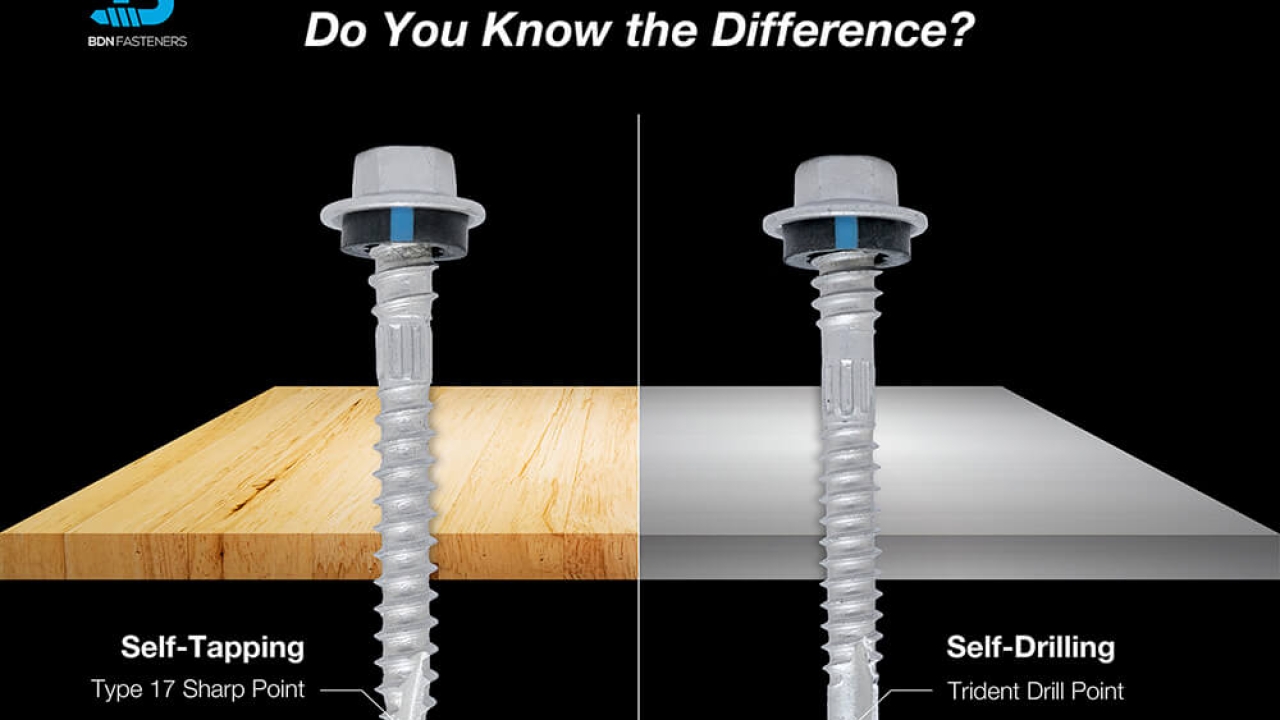
Self-drilling screws have a drill bit tip that cuts its own hole in metal, while self-tapping screws make threads in an existing hole but do not drill the hole themselves. This means self-drilling screws usually save time because you don’t need a pilot hole.
How Thick Of Metal Can I Use Self-drilling Screws With?
Most self-drilling screws are best for metal up to 6mm (about 1/4 inch) thick. For thicker metal, you may need to pre-drill a pilot hole or use a different fastener.
Why Is My Self-drilling Screw Not Going Into The Metal?
Possible reasons include using the wrong size screw, the metal being too thick, a dull screw tip, or too much drill speed. Try a slower speed, use lubricant, or pre-drill a small hole if needed.
Can I Use A Regular Drill Or Do I Need An Impact Driver?
A regular electric drill is usually fine for self-drilling screws in metal. An impact driver gives more torque but isn’t required unless you’re working with very hard or thick material.
How Can I Prevent Screws From Rusting In Outdoor Projects?
Use stainless steel or coated self-drilling screws for outdoor or wet environments. These resist rust and corrosion much better than plain steel screws.
Drilling self-drilling screws into metal is a skill that improves with experience and attention to detail. With the right tools, good preparation, and a careful approach, you’ll get strong, neat, and lasting results every time.