When you pick up a drill, you want it to work smoothly without struggling or slowing down. But how do you know if your drill has enough power to handle tough jobs?
The secret lies in torque—the twisting force that helps your drill get the job done. If your drill’s torque is too low, you’ll waste time and effort. Too high, and you might damage your materials or lose control. So, how much torque should a good drill have to make your projects easier and more efficient?
Keep reading, and you’ll discover exactly what to look for to choose the perfect drill for your needs.
Article Summary
Torque Basics
Understanding torque is key to choosing the right drill. Torque affects how well a drill can turn screws and drill into materials. It shows the drill’s strength and control. This section explains basic torque concepts to help you pick the best drill for your needs.
What Is Torque
Torque is a twisting force. It helps turn screws and drill bits. The higher the torque, the more power the drill has. Torque is measured in inch-pounds or Newton-meters. It tells how hard the drill can push and twist.
Think of torque as muscle strength for your drill. Stronger torque means the drill can handle tougher jobs. Low torque is good for light tasks like small screws.
Why Torque Matters In Drills
Torque controls how well a drill works on different materials. High torque helps drill through hard wood, metal, or thick plastic. It stops the drill from stalling or slowing down.
Good torque also protects the drill and battery. It prevents the motor from overheating. It keeps the drill steady during use. Low torque drills may struggle and wear out faster.
Choosing a drill with the right torque means better performance and longer tool life. It suits your projects and materials perfectly.
Torque Measurement
Torque is a key factor for a drill’s performance. It tells how much twisting force the drill can apply. Measuring torque helps choose the right drill for your needs. Understanding torque measurement makes buying easier.
Different drills have different torque levels. Knowing how torque is measured and tested helps you compare models. It also shows how strong and efficient the drill is.
Units Used For Torque
Torque is measured in units that show force and distance. The most common units are Newton-meters (Nm) and inch-pounds (in-lbs). Nm is mostly used worldwide. In-lbs is common in the United States. Both measure the same thing but in different scales.
Higher numbers mean more twisting power. For example, 50 Nm is stronger than 20 Nm. Knowing these units helps understand drill strength better.
How Torque Is Tested
Manufacturers test torque with special machines. These machines apply force to the drill and measure its twisting power. They record the highest torque the drill can produce. Tests happen under controlled conditions.
Testing shows the maximum torque and how the drill performs under load. This helps buyers see if the drill can handle tough jobs. Real-life torque may vary depending on the material and drill use.
Torque Ranges For Drills
Torque is the force that helps a drill turn screws and drill holes. Different tasks need different amounts of torque. Choosing the right torque range makes your work easier and faster.
Drills come in low, medium, and high torque ranges. Each range fits specific jobs and materials.
Low Torque Drills
Low torque drills usually have less than 200 inch-pounds of torque. They work well for light tasks like driving small screws. These drills are perfect for soft wood, plastic, and thin metal sheets. They are easy to control and reduce the risk of stripping screws.
Medium Torque Drills
Medium torque drills offer between 200 and 400 inch-pounds of torque. These drills can handle tougher materials like hardwood and thicker metals. They are great for general home use and DIY projects. Medium torque drills balance power and control for most users.
High Torque Drills
High torque drills provide over 400 inch-pounds of torque. They are designed for heavy-duty jobs and professional work. These drills can bore through concrete, dense wood, and thick metal. High torque drills deliver strong performance but need careful handling to avoid damage.

Credit: www.burnstools.com
Choosing Torque For Tasks
Choosing the right torque for your drill depends on the tasks you plan to do. Torque is the force that helps the drill turn screws and drill holes. Different projects need different amounts of torque for the best results. Too little torque can slow you down. Too much torque can damage materials or the tool.
Understanding how much torque to use helps you pick the right drill. It also protects your work and makes your job easier. Below are simple guidelines for light, medium, and heavy duty projects.
Light Duty Projects
Light duty tasks include small screws and soft materials. Examples are hanging pictures or assembling furniture. A drill with low torque, around 10 to 20 Nm, works well here. It gives enough power without risking damage. Light torque drills are usually smaller and easier to handle.
Medium Duty Projects
Medium duty work involves drilling into wood or metal and larger screws. Tasks like building shelves or installing cabinets need more power. A drill with torque between 20 and 40 Nm fits these needs. This range balances strength and control. It helps prevent stripped screws and keeps the job smooth.
Heavy Duty Projects
Heavy duty projects include drilling into concrete, thick wood, or metal. Examples are construction work or fixing heavy fixtures. Drills with torque over 40 Nm are best for these jobs. High torque drills deliver the force needed to handle tough materials. They are usually larger and may need a cord or strong battery.
Impact Of Torque On Performance
Torque plays a key role in drill performance. It affects how well the drill handles tough materials. Higher torque means the drill can turn screws and drill holes with more force. This makes work faster and easier. Low torque may cause the drill to stall or slow down. Choosing the right torque depends on the task and material. Understanding torque helps pick the best drill for your needs.
Power Vs Control
High torque gives a drill more power. It can drive screws deeply and drill hard surfaces. But too much torque can make the drill hard to control. It may cause screws to strip or break. Low torque gives better control for delicate tasks. It helps avoid damage to materials and fasteners. The best drills offer adjustable torque settings. This lets users switch between power and control easily.
Battery Life Considerations
Higher torque drains the battery faster. Using maximum torque means shorter work time. Drills with adjustable torque save battery by using less power. Efficient motors also help extend battery life. Choosing a drill with good battery capacity is important. It supports longer use without recharging. Balancing torque needs with battery life improves productivity.
Torque Features To Look For
Torque is a key factor when choosing a drill. It affects how well the drill handles different tasks. Some drills have special torque features that make work easier and safer. These features help control the power and prevent damage to materials and tools.
Understanding these torque features helps you pick the right drill for your needs. Here are the main torque features to look for.
Adjustable Torque Settings
Adjustable torque settings let you change the drill’s power level. This control is useful for delicate jobs like driving screws. Lower settings stop the drill before it strips screws or damages wood. Higher settings give more strength for tougher materials like metal or hardwood.
Many drills have a dial or switch to set torque levels. This makes the drill more versatile. You can use one tool for many different jobs.
Clutch Mechanisms
A clutch mechanism helps prevent overdriving screws and bolts. It stops the drill from spinning once the set torque is reached. This protects the screw head and the drill bit.
Clutches improve accuracy and reduce wear on your tools. They are especially helpful for beginners and detailed projects.
Torque Boost Options
Torque boost options provide extra power when needed. This feature helps with tough materials or large screws. It gives a quick burst of force without changing settings.
Torque boost is great for short, hard tasks. It saves time and effort, making the drill more efficient.
Comparing Drill Brands By Torque
Torque is a key factor when choosing a drill. It tells how strong the drill is at turning screws and bits. Different brands offer different torque levels. Comparing these helps find the right drill for your needs.
Higher torque means the drill can handle tougher jobs. But too much torque can be hard to control for small tasks. Understanding torque ratings across brands helps pick the best balance.
Top Brands Overview
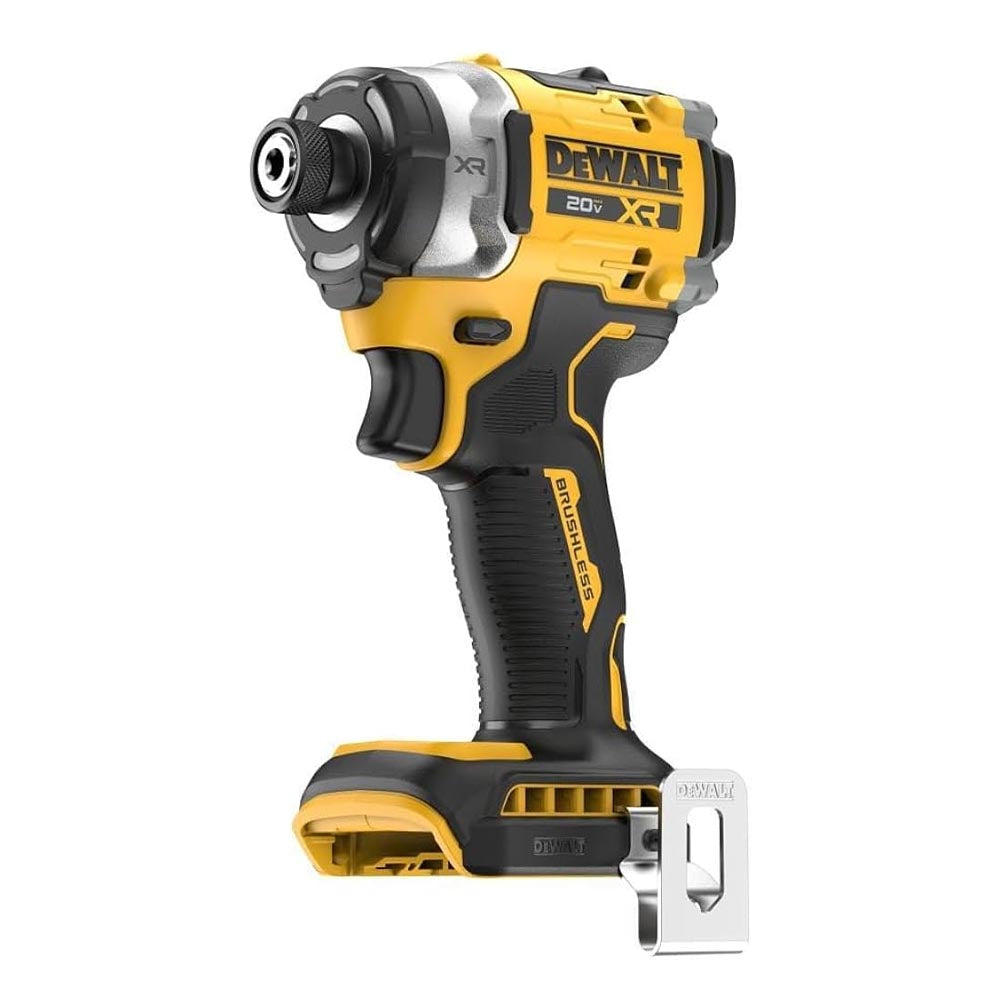
Several top brands lead the drill market. DeWalt, Makita, Bosch, and Milwaukee are popular choices. Each brand offers models with varied torque levels. They cater to both home users and professionals.
DeWalt drills often have strong torque and durability. Makita models balance power and lightweight design. Bosch drills focus on precision and control. Milwaukee offers high torque for heavy-duty work.
Best Torque Models
DeWalt DCD996P2 delivers around 820 inch-pounds of torque. It suits heavy tasks like drilling into metal and wood. Makita XFD131 provides about 480 inch-pounds, good for most home jobs.
Bosch DDS183-02 offers 500 inch-pounds, ideal for precision work. Milwaukee M18 Fuel 2804-20 has up to 1000 inch-pounds, perfect for tough professional use.
Select a drill with torque that matches your tasks. High torque for strong materials. Lower torque for delicate jobs and better control.
Credit: workshoptools.com
Maintaining Optimal Torque
Maintaining optimal torque in your drill is key for smooth, efficient work. Torque affects how well the drill handles different materials. Proper care keeps the drill powerful and reliable. Neglect can cause loss of torque and poor performance.
Regular Maintenance Tips
Keep the drill clean from dust and debris. Wipe it down after use. Check the drill bit for wear and replace if dull. Lubricate moving parts as the manual suggests. Tighten loose screws or parts regularly. Store the drill in a dry place to avoid rust. Charge batteries fully and avoid overcharging. These steps help keep the torque steady and strong.
When To Replace Parts
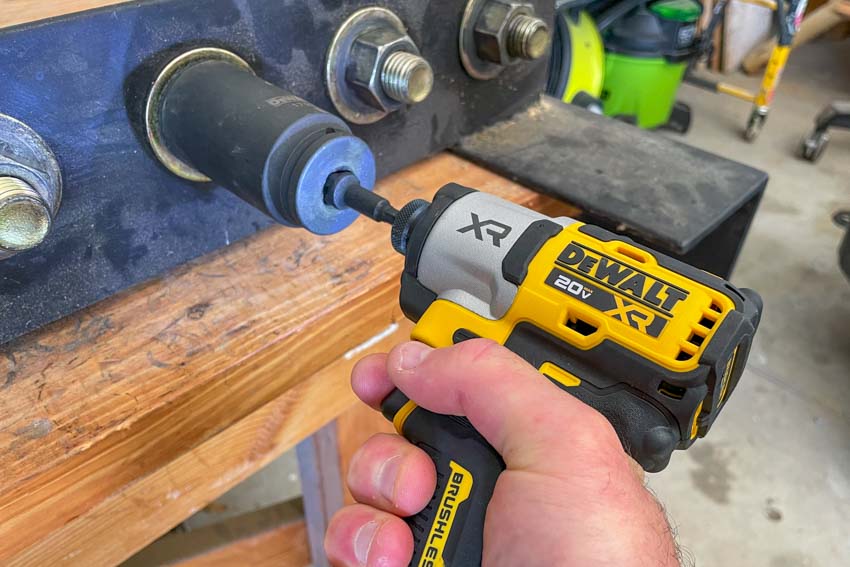
Replace worn-out drill bits promptly. Dull bits reduce torque and strain the motor. Change brushes inside the motor if the drill slows down. Watch for unusual noises or vibrations. Replace the clutch if torque settings slip or fail. Battery packs may need replacement when they hold less charge. Timely part replacement ensures the drill works at peak torque.
Credit: www.protoolreviews.com
Frequently Asked Questions
What Torque Range Is Ideal For A Good Drill?
A good drill typically has a torque range of 300 to 600 inch-pounds. This range suits most household and light professional tasks. Higher torque is needed for heavy-duty drilling and driving into dense materials.
How Does Torque Affect Drill Performance?
Torque determines a drill’s twisting force, impacting its ability to drive screws and drill through tough materials. Higher torque means better performance on hard surfaces but can reduce precision on delicate tasks.
Can High Torque Damage Materials?
Yes, excessive torque can strip screws or damage soft materials. Using adjustable torque settings helps prevent overdriving and protects both the workpiece and fasteners.
Is Higher Torque Always Better For Drills?
Not always. While higher torque helps with tough jobs, it can be harder to control for delicate tasks. Choose a drill with adjustable torque for versatility.
Conclusion
Choosing the right torque depends on your drilling needs. Higher torque helps with tough materials. Lower torque works well for light tasks. Balance power and control for best results. A good drill offers adjustable torque settings. This lets you work safely and efficiently.
Remember, the right torque extends your drill’s life. It also makes your work easier and faster. Think about what projects you plan to do. This will guide your torque choice wisely. Select a drill that fits your daily tasks well.