When you use power tools, safety should always be your top priority. Even a small mistake can lead to serious injuries or damage.
So, how do you improve the safety of power tools and protect yourself every time you work? You’ll discover simple yet powerful tips that will keep you safe and confident while using your tools. By the end, you’ll know exactly what steps to take to avoid accidents and get the job done right.
Ready to make your workspace safer? Let’s dive in!
Article Summary
Choose The Right Tool
Choosing the right power tool is key to working safely. Using the correct tool reduces risks and makes tasks easier. It also helps you avoid accidents that happen from using the wrong equipment. Focus on the job you need to do and pick tools built for that purpose. Quality matters too. A good tool works better and lasts longer.
Match Tool To Task
Every job has a tool designed for it. Pick a tool that fits the task perfectly. For example, use a drill for making holes, not a saw. Using the right tool makes your work safer and faster. It prevents damage to materials and keeps you from getting hurt. Read the tool’s instructions to understand its best uses.
Check Tool Quality
Quality tools are safer tools. Check for strong materials and good design. Avoid tools with loose parts or poor finishes. A well-made tool will handle stress better and not break easily. Look for trusted brands or certifications that prove safety standards. Inspect tools regularly to catch wear or damage early. Replace any tool that shows signs of weakness.
Inspect Before Use
Inspecting power tools before use is vital for safety. It helps catch problems early. This step prevents accidents and tool damage. Taking time to check tools protects you and others.
Look For Damage
Check the tool’s body for cracks or breaks. Look at cords for cuts or frays. Inspect plugs and connectors for wear. Damaged parts can cause electric shocks or injuries. Replace or fix anything that looks unsafe.
Test Functionality
Turn on the tool briefly to see if it works properly. Listen for strange noises or vibrations. Make sure switches and buttons respond well. A tool that does not work right can be dangerous. Fix any issues before starting your work.
Wear Protective Gear
Wearing protective gear is essential for safe power tool use. It helps prevent injuries and keeps you comfortable. Proper gear creates a barrier between you and potential hazards. Always prepare before starting any project.
Use Eye Protection
Eye protection guards your eyes from flying debris and dust. Safety glasses or goggles work best. They shield against sparks and wood chips. Clear vision is vital for precise work and avoiding accidents.
Wear Gloves And Masks
Gloves protect your hands from cuts and vibrations. Choose gloves that fit well and allow good grip. Masks prevent dust and fumes from entering your lungs. Use a mask that suits the type of material you work with.
Follow Manufacturer Guidelines
Following manufacturer guidelines is key to using power tools safely. These rules help prevent accidents and keep tools working well. Each power tool comes with specific instructions made by the maker. These instructions explain how to handle the tool properly. Ignoring them can lead to serious injuries or damage.
Read The Manual
The manual holds important safety tips and operating steps. Reading it carefully helps you understand the tool’s features. It shows the correct way to start, use, and stop the tool. Manuals also list parts that need regular checks or replacement. Knowing this keeps the tool in good condition. Take time to read the manual before the first use.
Adhere To Safety Instructions
Safety instructions guide your actions during tool use. They include wearing protective gear like gloves and goggles. Some tools require special handling or setup. Follow these rules strictly to avoid injuries. Keep the workspace clean and clear of hazards. Always turn off the tool before cleaning or fixing it. Following these steps protects you and others nearby.
Maintain Tools Regularly
Maintaining power tools regularly keeps them safe and working well. Tools that are clean and well cared for last longer. They also perform better, reducing the chance of accidents. Regular maintenance helps spot problems early before they cause harm.
Clean After Use
Always clean power tools after every use. Remove dust, dirt, and debris from all parts. Use a brush or cloth to wipe surfaces gently. Avoid water on electrical parts to prevent damage. Clean tools work smoothly and reduce risks of malfunctions.
Sharpen And Lubricate
Keep blades and cutting edges sharp for safe operation. Dull blades cause slips and require more force. Use proper tools to sharpen blades carefully. Lubricate moving parts to reduce friction and wear. Well-lubricated tools run cooler and last longer.

Credit: heatgun.com
Use Proper Power Sources
Using the correct power sources is key to keeping power tools safe. Power tools need the right electricity to work well. Wrong power sources can cause damage or accidents. Follow simple rules to match power tools with proper power sources. This keeps tools safe and working longer.
Check Voltage Compatibility
Always check the voltage on your power tool before use. The tool label shows the needed voltage. Using a different voltage can harm the tool or cause sparks. Match the power source voltage with the tool’s requirement. This prevents electrical faults and protects the user.
Avoid Overloading Circuits
Do not plug too many tools into one outlet. Overloading circuits causes overheating and fires. Use separate outlets for heavy tools. If outlets are limited, use a power strip with a circuit breaker. This helps keep the power stable and tools safe.
Create A Safe Workspace
Creating a safe workspace is crucial to improving power tool safety. A tidy and well-lit area reduces risks and helps you focus on your task. Safety starts with the environment around you.
Keep Area Clean
Clear away dust, scraps, and debris regularly. A clean space prevents slips and trips. Organize tools and materials so nothing blocks your path. Remove clutter to avoid accidents and keep your work steady.
Ensure Adequate Lighting
Good lighting helps you see details clearly. It reduces mistakes and prevents injuries. Use bright lights and position them to avoid shadows. Natural light is best, but strong lamps work well too. Bright spaces keep you alert and safe.
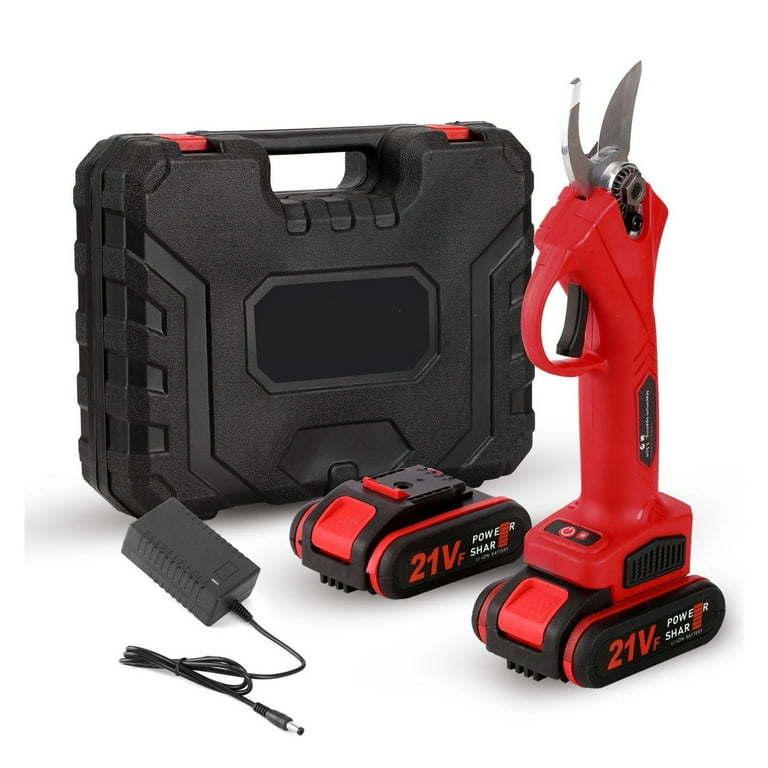
Credit: www.walmart.com
Store Tools Safely
Storing power tools safely is important to prevent accidents and damage. Proper storage keeps tools organized and ready for use. It also protects children and pets from harm. Safe storage extends the life of tools and maintains their performance. Follow simple steps to store tools safely and reduce risks around your home or workshop.
Use Locked Cabinets
Locked cabinets keep power tools secure and out of reach. They protect tools from theft and prevent unauthorized use. Choose sturdy cabinets with strong locks for better safety. Store tools inside after every use to maintain order. Label cabinets clearly to find tools quickly and avoid clutter.
Keep Out Of Reach Of Children
Children are curious and may get hurt by power tools. Store tools where kids cannot see or touch them. High shelves or locked rooms work well for safe storage. Teach children that tools are not toys and must be handled carefully. Always check that tools are stored properly after use to keep children safe.
Get Proper Training
Proper training is key to using power tools safely. Without it, accidents can happen easily. Learning the right skills helps you avoid injuries and work more confidently. Training teaches you how to handle tools correctly and understand their risks.
Getting trained also means knowing the safety rules. This knowledge reduces mistakes and protects both you and others around you. Investing time in training pays off with safer work and better results.
Attend Safety Workshops
Safety workshops provide hands-on learning with experts. These sessions cover tool use, safety gear, and emergency steps. Workshops show you the right way to operate each tool. You can ask questions and get clear answers. This direct experience builds your confidence and skill.
Practice Tool Handling
Practice helps you get used to the tools’ weight and controls. Start with simple tasks to build your skill. Handle tools slowly and carefully at first. Repetition improves your reaction time and safety habits. Practicing regularly keeps your skills sharp and prevents accidents.

Credit: blog.vits.co
Frequently Asked Questions
How Can I Maintain Power Tool Safety Regularly?
Regularly inspect tools for damage and wear. Clean and lubricate moving parts. Replace worn or broken components promptly. Store tools properly to avoid moisture and dust damage. Follow manufacturer maintenance guidelines for safety and longevity.
What Personal Protective Equipment Is Essential With Power Tools?
Always wear safety glasses to protect eyes from debris. Use hearing protection to prevent noise damage. Wear gloves to improve grip and protect hands. Use dust masks when cutting materials that produce dust. Proper footwear is also important for stability.
How Do I Ensure Safe Power Tool Operation?
Read the user manual before use. Keep hands clear of moving parts. Use clamps or vices to secure workpieces. Avoid loose clothing and jewelry near tools. Disconnect power before changing accessories or cleaning the tool.
Why Is Proper Power Tool Storage Important?
Proper storage prevents damage and maintains tool functionality. It also reduces accidental starts and injuries. Store tools in dry, secure places to avoid rust and theft. Organized storage helps quickly find tools and identify missing items.
Conclusion
Improving power tool safety protects you and others around. Always wear safety gear like gloves and goggles. Keep tools clean and well-maintained for better control. Read and follow the instructions before use. Stay focused and avoid distractions while working. Store tools safely after finishing your job.
Small actions can prevent serious accidents. Safety is a habit, not a one-time task. Stay alert, work carefully, and keep accidents away.