Sea glass jewelry has a unique beauty. Every piece tells a story, shaped by waves, sand, and time. If you want to make your own jewelry from sea glass, you may wonder: how do you drill a hole in sea glass safely and neatly? While it might look simple, drilling sea glass needs the right tools, technique, and patience. Rushing can lead to broken pieces or even personal injury.
This guide walks you through every step of drilling a hole in sea glass for jewelry. You’ll learn what tools you need, how to prepare your glass, the safest drilling methods, and how to avoid beginner mistakes. Whether you’re new to jewelry making or want to improve your skills, you’ll finish with the confidence to create beautiful, one-of-a-kind pieces.
Article Summary
- Why Drill Sea Glass?
- Gathering The Right Tools And Materials
- Preparing Your Workspace And Glass
- Drilling Sea Glass: Step-by-step Instructions
- Common Mistakes (and How To Avoid Them)
- Practical Tips For Better Results
- Choosing The Best Sea Glass For Drilling
- Safety First: Protecting Yourself
- Finishing And Using Your Drilled Sea Glass
- Troubleshooting: What If The Glass Breaks?
- When To Use Professional Help
- Real-world Example: Making A Sea Glass Pendant
- How Many Holes Can A Drill Bit Make?
- Going Further: Adding Creativity To Your Jewelry
- Frequently Asked Questions
Why Drill Sea Glass?
Drilling a hole in sea glass lets you use it in many types of jewelry. You can make necklaces, earrings, bracelets, or even keychains. Instead of wrapping wire around the glass, a drilled hole gives a clean and professional finish. The glass hangs naturally, showing off its color and texture.
Many people collect sea glass because it is rare. Natural sea glass is made by years of tumbling in the ocean. Turning this treasure into jewelry makes it even more special.
Gathering The Right Tools And Materials
Before you start, you need the right equipment. Using the wrong tools can crack or shatter your sea glass. Here’s what you’ll need:
- Sea glass: Choose pieces without cracks or chips. Thicker pieces are easier to drill.
- Rotary tool or Dremel: A handheld rotary tool is best. It should have variable speed.
- Diamond-tipped drill bits: Regular bits won’t work. Diamond bits are gentle and strong.
- Water dish: Drilling underwater keeps glass cool and reduces dust.
- Small clamp or putty: Holds the glass steady.
- Safety glasses and mask: Protects your eyes and lungs.
- Marker or wax pencil: Marks the drilling spot.
- Sandpaper or nail file: Smooths rough edges after drilling.
Tool Comparison
To help you choose, here’s a comparison of popular tools for drilling sea glass:
| Tool | Pros | Cons |
|---|---|---|
| Rotary Tool (Dremel) | Precise, adjustable speed, widely available | Needs care to avoid overheating |
| Electric Drill | Powerful, can use larger bits | Less control, higher risk of breakage |
| Manual Hand Drill | Very gentle, low cost | Slow, tiring for many pieces |
Preparing Your Workspace And Glass
Drilling sea glass is messy and creates fine dust. Set up in a well-lit area, away from electronics and food. Cover your workspace with a towel to catch water and glass bits.
Clean your glass with soap and water. Let it dry fully. Any sand or salt left can make drilling harder.
Mark the spot where you want the hole. Place it at least 2-3 mm from the edge. Too close, and the glass may chip or break.
Use a small clamp or a piece of reusable putty to hold the glass. Don’t hold it in your hand—slipping can cause injury.
Drilling Sea Glass: Step-by-step Instructions
The actual drilling is the most important part. Here’s how to do it safely and successfully.
1. Set Up The Drilling Area
Fill a shallow dish with enough water to cover the glass piece. Place the glass flat in the dish, marked side up. The water keeps the drill bit and glass cool, and traps harmful dust.
2. Select The Right Drill Bit
Fit your rotary tool with a small diamond-tipped bit. Start with the smallest size (0.8–1 mm). You can always widen the hole later with a larger bit.
3. Begin Drilling—slowly
Hold the tool perpendicular to the glass. Use a slow to medium speed—too fast creates heat and cracks. Gently touch the bit to the marked spot.
Apply very light pressure. Let the drill do the work. Pressing down can break the glass.
Drill for a few seconds, then lift the bit to let water cool it. Repeat until you feel the bit break through.
4. Flip And Finish
For a cleaner hole, drill halfway through one side, then flip the glass and finish from the other side. This prevents chipping around the exit hole.
5. Smooth And Clean
Rinse the glass well. Use fine sandpaper or a nail file to remove sharp edges around the hole.
Common Mistakes (and How To Avoid Them)
Drilling sea glass is simple but easy to get wrong. Here are mistakes beginners often make:
- Using regular drill bits: These will not cut glass and can shatter it. Only use diamond-tipped bits.
- Drilling dry: Always drill underwater. Heat and glass dust are dangerous.
- Too much pressure: Let the tool do the work. Forcing the bit will break the glass.
- Not wearing protection: Glass dust can harm your lungs and eyes. Always use a mask and glasses.
- Drilling too close to the edge: The hole should be at least 2–3 mm from the edge for strength.
Practical Tips For Better Results
To make your sea glass jewelry stand out, try these practical tips:
- Test on scrap glass first. Old bottles or broken glass work well for practice.
- Keep extra water nearby to cool the bit if the dish gets cloudy or hot.
- Rotate your bits. Even diamond bits wear out after many holes.
- Drill at the right angle. Stay straight so the hole is neat and fits jump rings or bails.
- Clean the glass after drilling. Use soap and water to remove any leftover dust.
Choosing The Best Sea Glass For Drilling
Not all sea glass is the same. Some pieces are better for drilling and jewelry making. Here’s what to look for:
- Thickness: Thicker pieces (at least 4 mm) are less likely to break.
- Shape: Flat pieces are easier to drill and sit well in jewelry settings.
- Surface: Frosted, pitted glass is less slippery, making drilling safer.
- Color: Rare colors (like red, blue, or aqua) make unique jewelry, but practice on common colors like green or brown first.
Sea Glass Quality Comparison
Here’s a quick look at what makes some sea glass pieces better than others for jewelry:
| Feature | Good for Drilling | Risky for Drilling |
|---|---|---|
| Thickness | 4 mm or more | Under 3 mm |
| Surface | Matte, pitted | Shiny, smooth |
| Shape | Flat, roundish | Odd, pointy edges |
Safety First: Protecting Yourself
Drilling glass can be risky if you don’t take precautions. Here’s how to stay safe:
- Wear safety glasses: Prevents glass chips from hitting your eyes.
- Use a mask: Stops you breathing in fine glass dust.
- Drill in water: Cools the glass and keeps dust out of the air.
- Work slowly: Rushing increases the risk of breaking the glass or hurting yourself.
A non-obvious safety tip: Always check your drill bits for wear or cracks before starting. A worn bit can shatter the glass or slip suddenly.
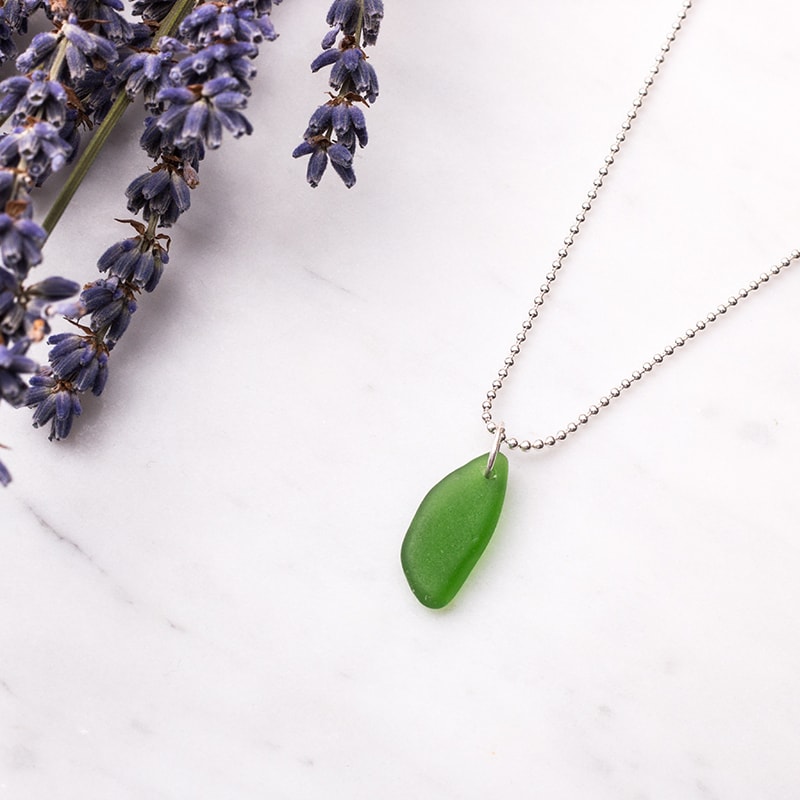
Credit: www.kernowcraft.com
Finishing And Using Your Drilled Sea Glass
Once your hole is drilled, the next steps are important for jewelry making:
- Smooth the hole: Use a round needle file or sandpaper to remove any sharp edges inside the hole.
- Clean thoroughly: Rinse in clean water and dry well.
- Add findings: Use a jump ring, bail, or wire to attach your glass to a chain or earring hook.
- Seal (optional): Some artists use a jewelry-safe sealant to add shine or protect the color, but many prefer the natural matte look.
Finishing well makes your jewelry safer to wear and more attractive.
Troubleshooting: What If The Glass Breaks?
Even with care, sea glass can crack or shatter during drilling. Here’s what to do:
- Don’t try to glue broken pieces together for jewelry. They won’t be strong.
- Save broken pieces for mosaics or resin art—nothing goes to waste.
- Check your process: Too much pressure, wrong bit, or drilling too close to the edge are the most common causes.
If you keep breaking glass, try using thicker pieces, checking your drill speed, or practicing on scrap glass.

Credit: www.youtube.com
When To Use Professional Help
If you have a very rare or valuable piece of sea glass, consider asking a professional jeweler to drill it. They have specialized tools and experience. This reduces the risk of losing a unique piece.
Some local bead shops or lapidary clubs offer drilling services for a small fee.
Real-world Example: Making A Sea Glass Pendant
Let’s look at a practical example.
Maria found a smooth, frosted teal sea glass piece on the beach. She wanted to make a pendant. She marked a spot 4 mm from the edge, placed the glass in a water dish, and drilled slowly with a 1 mm diamond bit. After flipping the glass halfway, she finished the hole, smoothed it with sandpaper, and attached a silver jump ring. The result: a beautiful, custom pendant she wears every day.
How Many Holes Can A Drill Bit Make?
Diamond drill bits wear out over time. A small 1 mm bit can usually drill 20–30 holes in sea glass before losing efficiency. Larger bits may last a little longer but cost more.
If your bit stops cutting well or feels dull, replace it. Dull bits can break the glass or make uneven holes.
Drill Bit Lifespan Comparison
| Bit Size | Average Lifespan | Best Use |
|---|---|---|
| 1 mm | 20–30 holes | Small pendants, earrings |
| 2 mm | 25–40 holes | Larger pendants, chunky beads |
| 3 mm | 30–50 holes | Thick glass, keychains |
Going Further: Adding Creativity To Your Jewelry
Drilled sea glass is just the beginning. You can add wire wrapping, beads, or metal findings to make your jewelry unique. Mix drilled and undrilled pieces for layered necklaces or cluster earrings.
A creative touch: Drill two holes in one piece for a horizontal bar pendant or bracelet link.
If you want to learn more about sea glass history and jewelry, see the guide on Wikipedia.

Credit: www.youtube.com
Frequently Asked Questions
How Long Does It Take To Drill A Hole In Sea Glass?
Drilling a single hole usually takes 1–3 minutes, depending on the thickness of the glass and the quality of your drill bit. Going slowly and letting the bit cool often produces the best results.
Can I Use A Regular Drill Bit For Sea Glass?
No, regular drill bits are not suitable for glass. They can crack or shatter your sea glass. Only diamond-tipped bits are safe and effective.
Is It Safe To Drill Sea Glass At Home?
Yes, if you use the right tools and safety gear. Always drill underwater, wear a mask, and use safety glasses. Set up your workspace away from food and children.
What Size Hole Should I Drill For Jewelry?
A 1–2 mm hole is typical for most jewelry findings. Use a 1 mm bit for small jump rings and earrings, and a 2–3 mm bit for larger bails or cords.
Where Can I Buy Diamond Drill Bits For Sea Glass?
You can find diamond drill bits at jewelry supply stores, hardware stores, or online marketplaces like Amazon. Search for “diamond-coated rotary bits” for the best results.
Drilling a hole in sea glass opens up a world of creative jewelry possibilities. With the right tools, some patience, and these practical tips, you can turn ocean treasures into personal works of art. Remember: practice makes perfect, so start with common glass and soon you’ll have the skills to create jewelry that’s both beautiful and meaningful.