Have you ever wondered if your regular drill can handle the tough job of drilling through ice? If you’re planning an ice fishing trip or need to make a hole in frozen ground, you might be tempted to reach for your trusty drill instead of buying a special ice auger.
But is that really a good idea? Before you start, it’s important to know what your drill can and can’t do, and how to avoid damaging your tools or wasting time. Keep reading to find out if your regular drill is up for the challenge and what you need to consider to get the job done right.
Drill Types For Ice Augering
Choosing the right drill for ice augering is important. Different drills work differently on ice. Some drills handle the cold and tough ice better. Understanding drill types helps pick the best tool for ice fishing or other ice tasks.
Drills vary in power, speed, and type. These factors affect how well they cut through ice. Using the wrong drill can make the job harder or damage the tool. Let’s explore common drill types used for ice augering.
Corded Vs Cordless Drills
Corded drills plug into power outlets. They offer steady power without worrying about batteries. These drills are good for long ice holes. Cordless drills use batteries and are easy to carry. They give freedom of movement on the ice. Battery life can limit how much work gets done. Both types work, but your choice depends on where and how long you drill.
Power Requirements
Ice augering needs strong drill power. Low power drills may stall or overheat. Look for drills with at least 6 to 8 amps of power. More power means easier ice cutting and faster drilling. High power helps in thick or hard ice. Avoid weak drills that struggle with resistance.
Drill Speed And Torque
Speed and torque affect drilling efficiency. Higher torque helps push the auger through ice. Speed controls how fast the auger spins. Too much speed can make the drill slip or lose control. Moderate speed with high torque works best. It balances cutting power with safe handling. Check drill specs for torque ratings before use.

Credit: www.reddit.com
Ice Auger Basics
Ice augers help drill holes in thick ice. They make ice fishing and other winter activities easier. Knowing the basics of ice augers helps choose the right tool for the job.
Ice augers come in different types and sizes. Each type serves a special purpose. Understanding these types helps pick the best one for your needs.
Types Of Ice Augers
Manual augers use hand power to drill holes. They are quiet and lightweight. Perfect for short trips or small holes.
Gas-powered augers use engines for fast drilling. They work well in thick ice and large holes. But they are heavier and noisy.
Electric augers run on batteries. They balance power and quietness. Easy to use and light to carry.
Common Uses And Advantages
Ice augers mainly create fishing holes in frozen lakes. They also help measure ice thickness. Scientists use them for ice research.
Using an ice auger saves time and effort. It drills clean, round holes quickly. This makes fishing more enjoyable and safe.
Using A Regular Drill With An Ice Auger
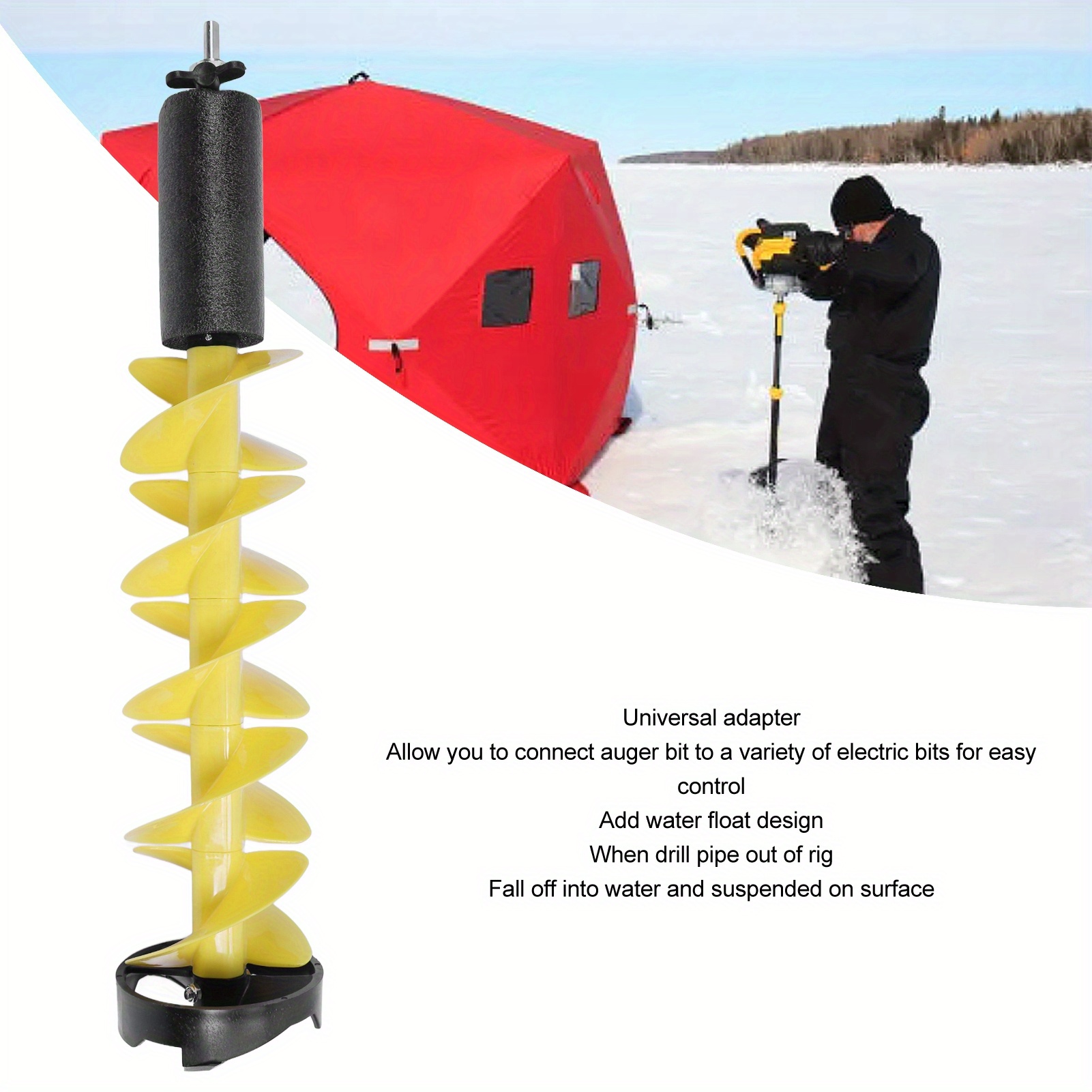
Using a regular drill with an ice auger can be a practical option for drilling holes in ice. Many anglers and outdoor enthusiasts consider this method to save time and effort. A drill-powered ice auger can work well, but several important points matter. Understanding compatibility, adapter options, and safety is key to making this setup effective and safe.
Compatibility Factors
Not all drills fit every ice auger. The drill must have enough power to turn the auger bit. Cordless drills with high torque work better than smaller models. The drill’s chuck size also matters. It should match the auger’s shaft or an adapter. Check the auger’s specifications before buying a drill. Ice thickness and type affect performance too. Some drills may struggle in very thick or hard ice.
Adapter Options
Adapters connect the drill to the ice auger bit. They come in different sizes and shapes. Choose one that fits your drill’s chuck and the auger shaft. Some adapters have quick-release features for easy swapping. Metal adapters are more durable than plastic ones. Using the right adapter ensures stable and efficient drilling. Avoid loose or ill-fitting adapters to prevent damage or accidents.
Safety Precautions
Drilling ice with a regular drill needs care. Wear gloves to protect your hands from cold and vibration. Keep a firm grip on the drill to avoid slips. Always drill at a slow speed to control the auger. Make sure the drill’s battery is fully charged or the cord is secure. Work on stable ice to prevent falls. Never force the drill if it jams; stop and clear debris first.

Credit: smcontinental.com
Limitations Of Regular Drills
Using a regular drill as an ice auger might seem like a smart choice. It can save money and reduce the gear you carry. Still, regular drills have some limits that can affect your ice fishing experience. These limits make them less reliable for drilling through ice.
Battery Life Concerns
Regular drills often have short battery life. Drilling through ice takes a lot of power. Batteries may drain quickly, stopping your work. Carrying extra batteries adds weight and bulk. This can interrupt your fishing and cause frustration.
Durability Issues
Drills are not built for ice conditions. Ice can be hard and rough on tools. Regular drills may overheat or break under pressure. Water and cold can damage the motor and parts. This leads to costly repairs or needing new tools.
Performance In Thick Ice
Thick ice is tough to drill through. Regular drills may struggle to cut clean holes. The drill bit can get stuck or dull fast. This slows down your fishing and wastes energy. Special ice augers work better for thick ice layers.
Expert Tips For Effective Drilling
Using a regular drill with an ice auger needs some care and skill. Proper steps help you drill smoothly and avoid damage. Follow these expert tips for effective drilling.
Prepping Your Drill And Auger
Choose a drill with high torque and good battery life. Make sure the drill is fully charged or plugged in. Attach the ice auger bit tightly to the drill chuck. Check the bit for sharpness and clean any dirt or ice. Wear gloves to protect your hands during setup.
Drilling Techniques
Hold the drill firmly with both hands. Start drilling slowly to let the auger bite into the ice. Apply steady downward pressure without forcing the drill. Keep the drill speed consistent to avoid overheating. Pull the auger out occasionally to clear ice chips. Use short breaks to prevent the drill from getting too hot.
Maintenance After Use
Remove the auger bit from the drill after finishing. Wipe off all ice and moisture to stop rust. Dry the drill and bit completely before storage. Store the drill in a cool, dry place. Check the bit for dullness and sharpen if needed before next use.
Alternatives To Regular Drills
Regular drills are common tools but may not be best for ice augering. Several alternatives exist that handle ice better and make the job easier. These tools provide power and control suited for ice fishing and other ice-breaking needs.
Dedicated Ice Augers
Dedicated ice augers are designed specifically for drilling through ice. They have strong blades and motors built to cut thick ice fast. These augers offer a smooth drilling experience and reduce user effort. They come in electric and battery-powered models for convenience.
Gas-powered Options
Gas-powered ice augers deliver high power for tough ice layers. They work well in remote locations without electricity. These augers are heavier but provide strong torque to drill quickly. Fuel refills keep them running longer during long fishing trips.
Manual Augers
Manual augers are simple and lightweight tools for ice drilling. They require physical effort but offer quiet, low-cost operation. Many anglers prefer manual augers for small holes and thin ice. They do not need fuel or batteries, making them reliable in cold weather.
Credit: www.icecreamfactoryny.com
Frequently Asked Questions
Can A Regular Drill Power An Ice Auger Effectively?
A regular drill can power a small ice auger for light use. However, it may lack the torque for thick ice. Heavy-duty ice augers usually require specialized, high-torque drills or motors for efficient drilling.
What Drill Type Works Best With An Ice Auger?
Cordless drills with high torque and long battery life work best. Brushless motors provide better performance and durability. Avoid low-powered or corded drills, as they may struggle with ice drilling demands.
Is Using A Regular Drill Safe For Ice Auger Drilling?
Using a regular drill can be safe if it fits the auger and is used properly. Ensure the drill has enough power to avoid stalling. Always wear safety gear and follow manufacturer guidelines to prevent accidents.
How To Adapt A Drill For Ice Auger Use?
To adapt, use an appropriate adapter that fits both the drill chuck and auger shaft. Check compatibility before purchase. Secure the connection tightly to prevent slippage during drilling.
Conclusion
A regular drill can work with an ice auger, but with limits. It may not handle thick ice well or last long. Using a drill with the right power helps avoid damage. For heavy ice, a dedicated ice auger works better.
Safety matters—always wear gloves and eye protection. Choose tools that fit your needs and ice conditions. This keeps your ice fishing safe and fun.