Are you curious about what it takes to become a driller? Whether you’re considering this career or just want to know more, understanding the key skills you need is essential.
Drilling is not just about operating heavy machines; it demands focus, precision, and a strong sense of safety. You’ll discover the most important abilities that can set you apart and help you succeed in this hands-on, challenging job. Keep reading to find out if you have what it takes to thrive as a driller.

Credit: www.elitesports.com
Core Technical Skills
Core technical skills are crucial for anyone who wants to work as a driller. These skills help operators handle complex tasks safely and efficiently. They involve practical knowledge and hands-on abilities that keep drilling projects running smoothly.
Drillers must understand the machines and tools they use. They need to work carefully with detailed plans and respond quickly to equipment issues. Without these skills, drilling work can become slow and unsafe.
Operating Drilling Equipment
Operating drilling equipment requires precision and focus. Drillers control heavy machinery that digs deep into the earth. They must follow strict safety rules to avoid accidents. Knowing how to start, stop, and adjust equipment is essential. Good operators keep machines running smoothly and avoid damage.
Maintenance And Repairs
Regular maintenance keeps drilling machines in good shape. Drillers check parts for wear and tear. Small repairs prevent bigger problems later. Knowing how to fix basic issues saves time and money. Skilled drillers spot problems early and act fast to fix them.
Reading Technical Blueprints
Technical blueprints guide drilling projects step-by-step. Drillers use these plans to understand the site and equipment setup. They interpret symbols and measurements to follow instructions correctly. Clear reading skills reduce mistakes and improve efficiency. Understanding blueprints helps drillers work with engineers and teams.
Safety Practices
Safety is the top priority for every driller. The work involves heavy machines and risky environments. Following safety practices protects workers and prevents accidents. Knowing what to watch for and how to react keeps everyone safe.
Hazard Identification
Drillers must spot dangers before work starts. This includes unstable ground, loose equipment, or bad weather. Identifying hazards early helps stop accidents. Always check the site carefully and report any risks.
Emergency Procedures
Every driller needs to know what to do in an emergency. This means understanding evacuation routes and how to use safety tools. Quick action can save lives. Practice drills help workers stay ready for any situation.
Personal Protective Equipment
Wearing the right gear is essential. Helmets, gloves, boots, and eye protection reduce injuries. PPE fits the job and the hazards present. Always inspect the equipment before use to ensure it works well.
Physical And Mental Fitness
Being a driller requires strong physical and mental fitness. The job demands long hours of hard work and sharp focus. Drillers face tough conditions that test both body and mind. Staying fit helps handle these challenges safely and effectively.
Endurance And Strength
Drillers need good endurance for long shifts on their feet. The work often involves lifting heavy tools and equipment. Physical strength helps prevent injuries and keeps work steady. Regular exercise builds the stamina required for demanding tasks.
Focus And Concentration
Precision is key in drilling operations. Drillers must stay alert to avoid mistakes. Concentration helps monitor machines and follow safety rules. A focused mind catches problems before they grow. Mental sharpness improves job quality and safety.
Stress Management
The drilling environment can be stressful and noisy. Managing stress keeps a driller calm under pressure. Calm workers think clearly and make better decisions. Good stress control improves teamwork and reduces accidents.
Problem-solving Abilities
Problem-solving abilities are essential for drillers. They face many challenges during their work. Quick thinking and clear judgment help keep operations safe and efficient.
Drillers must handle unexpected issues fast. They often work with complex machines and changing conditions. Strong problem-solving skills ensure smooth progress and reduce downtime.
Troubleshooting Equipment Issues
Equipment can fail without warning. Drillers need to find the cause quickly. Understanding machine parts and functions helps identify problems fast. Fixing issues promptly prevents delays and costly repairs.
Adapting To Unexpected Conditions
Drilling sites often change. Weather and ground conditions may shift suddenly. Drillers must adjust plans and methods to fit new situations. Flexibility keeps the project moving forward safely.
Decision-making Under Pressure
Drillers face urgent choices daily. Pressure can be high during emergencies. Clear, calm decisions protect the team and equipment. Strong decision-making skills are vital for success in this role.
Teamwork And Communication
Teamwork and communication are crucial skills for a driller. Drilling tasks often require close cooperation with others. Clear and effective communication helps avoid mistakes and keeps the team safe.
Collaborating With Crew Members
Drillers work closely with a team on site. They share tasks and support each other. Good teamwork ensures drilling runs smoothly and on time. Understanding each member’s role builds trust. Listening and helping others is important. Teamwork reduces risks and improves efficiency.
Clear Instruction Delivery
Drillers must give clear instructions to the crew. Simple and direct language avoids confusion. Speaking calmly helps others understand quickly. Clear instructions prevent accidents and errors. Drillers often explain tasks step by step. This ensures everyone knows what to do next.
Reporting And Documentation
Accurate reporting is part of the driller’s job. They record data about the drilling process. Good documentation helps track progress and problems. Reports must be clear and easy to read. Sharing information with the team keeps everyone informed. Proper records help maintain safety and quality.

Credit: www.youtube.com
Technical Certifications And Training
Technical certifications and training are key for anyone working as a driller. They prove you have the right knowledge and skills. These certifications help you operate machinery safely and effectively. Training ensures you stay up to date with the latest techniques and safety rules. It also prepares you to handle various drilling conditions.
Required Licenses
Most drilling jobs require specific licenses. These licenses confirm you meet local or national safety standards. They often involve passing written and practical tests. Common licenses include heavy equipment operation and hazardous materials handling. Holding these licenses can open more job opportunities.
Ongoing Skill Development
Technology and safety rules change often. Drillers must keep learning to stay safe and efficient. Many employers offer regular training sessions or workshops. Online courses are also popular for skill updates. Constant learning helps drillers improve their work quality and safety.
Industry Standards Compliance
Drillers must follow strict industry standards. These rules protect workers and the environment. Training programs focus on these standards to ensure compliance. Certified drillers show they understand and respect these regulations. This compliance reduces accidents and fines at work sites.
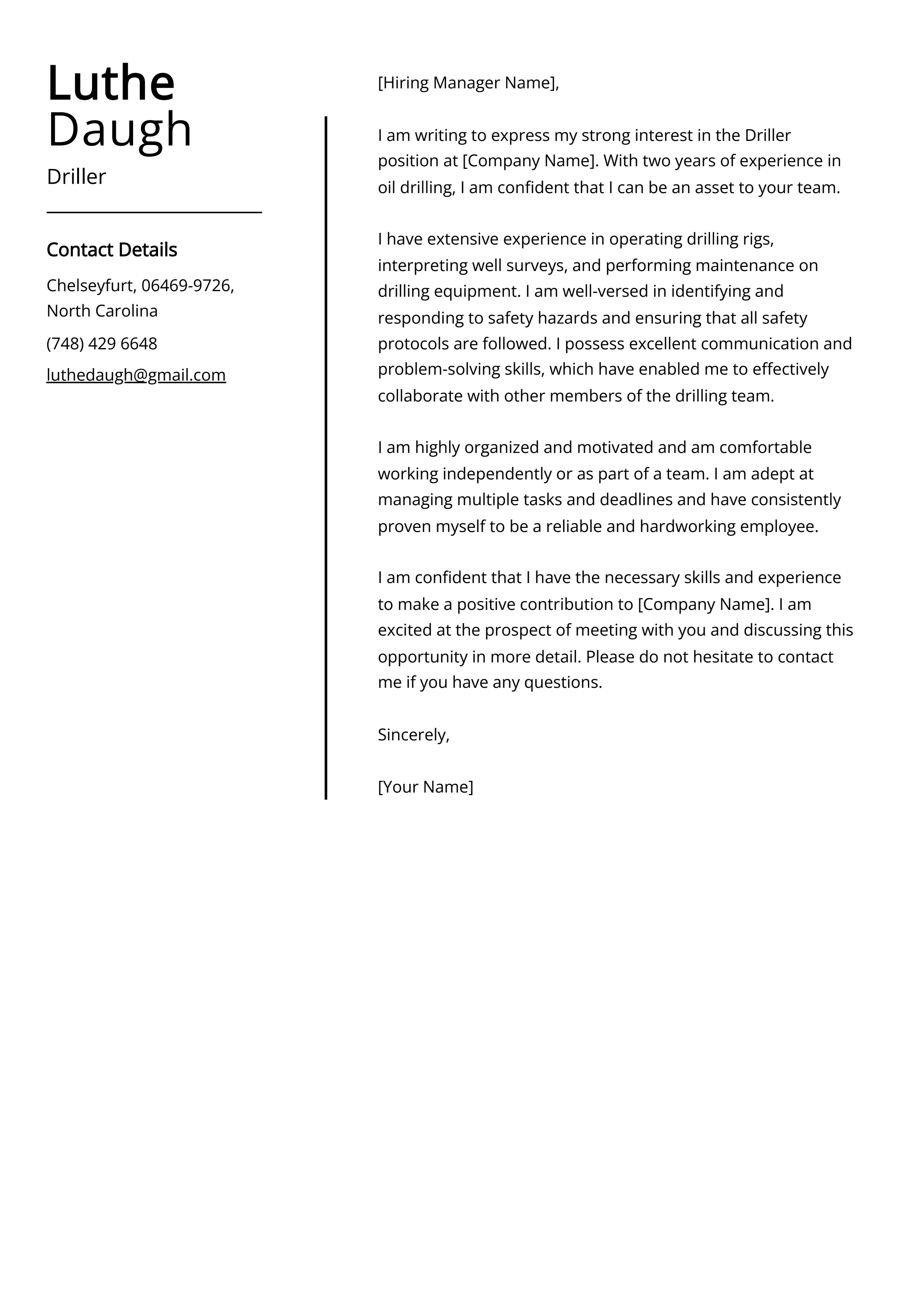
Credit: resumaker.ai
Frequently Asked Questions
What Technical Skills Are Essential For A Driller?
A driller needs mechanical knowledge to operate drilling equipment safely. Understanding geology helps in identifying drilling sites. Basic math skills assist in measurements and calculations during drilling tasks.
How Important Is Physical Fitness For A Driller?
Physical fitness is crucial as drilling involves heavy lifting and long hours. Good stamina and strength help maintain safety and efficiency on site. Fitness reduces the risk of injuries during manual tasks.
What Safety Skills Must A Driller Have?
Drillers must know safety protocols to prevent accidents. They should be trained in emergency procedures and proper equipment handling. Awareness of hazards ensures a safer work environment.
Are Communication Skills Necessary For Drillers?
Yes, clear communication helps coordinate with team members and supervisors. It ensures instructions are followed correctly. Good communication improves overall project efficiency and safety.
Conclusion
Being a driller needs strong focus and good hands-on skills. You must understand machines and follow safety rules every day. Problem-solving helps when things do not go as planned. Good communication with your team keeps work smooth. Practice and patience grow your skills over time.
These key skills help you do the job well and stay safe. Drilling can be tough but rewarding for those who prepare well. Keep learning and improving to succeed in this field.