Are you looking for a simple way to boost your woodworking projects? Building your own wooden drill press might be the perfect solution.
Not only will it save you money, but it also gives you full control over your tools. Imagine having a sturdy, reliable drill press made by your own hands, ready whenever you need it. In this guide, you’ll learn easy steps to create one from scratch.
Keep reading, and you’ll discover how straightforward and rewarding this project can be. Your workshop is about to get a powerful upgrade!
Materials And Tools Needed
Building a wooden drill press requires specific materials and tools. Choosing the right wood and hardware ensures a sturdy and functional tool. Collecting all items before starting saves time and avoids interruptions. Below, find details on the types of wood, essential tools, and hardware components needed.
Types Of Wood To Use
Use hardwood for the main structure. Oak, maple, or birch work well. These woods are strong and durable. Softwoods like pine can be used for smaller parts. Avoid wood with knots or cracks. Smooth wood surfaces make assembly easier.
Essential Tools For The Project
Gather basic woodworking tools. A saw is needed to cut wood pieces. A drill helps make holes for screws and bolts. Sandpaper smooths rough edges. A screwdriver is necessary for tightening screws. A measuring tape and pencil assist with accurate cuts.
Additional Hardware Components
Use screws and bolts to join parts securely. Washers and nuts add stability. A small motor or drill chuck holds the drill bit. Springs or pulleys can create the drill press mechanism. Make sure all hardware fits the wood pieces well.

Credit: www.youtube.com
Preparing The Wood Pieces
Preparing the wood pieces is the first step in building a wooden drill press. Good preparation helps the parts fit well. It also makes the drill press safe and strong. Take your time to get this step right. Clear, careful work here sets a solid base for the project.
Measuring And Cutting Wood
Start by measuring each wood piece carefully. Use a ruler or tape measure to mark the exact size. Double-check all measurements before cutting. Cut the wood with a saw, following the marks closely. Keep cuts straight and clean for better assembly later. Accurate cutting helps the drill press work smoothly.
Sanding And Finishing Edges
After cutting, sand all edges and surfaces. Use medium-grit sandpaper to remove rough spots. Then, use fine-grit sandpaper for a smooth finish. Sanding prevents splinters and makes the wood safer to handle. Smooth edges also help parts fit better. Take your time to create clean, even surfaces.
Building The Base And Frame
Building the base and frame is the first step in making a wooden drill press. This part gives the whole tool strength and balance. A strong base stops the drill press from moving during use. The frame holds the drill in place and guides its up-and-down movement. Careful work here leads to a safe and steady tool.
Constructing A Stable Base
Start by cutting a flat wooden board for the base. Use thick plywood or hardwood for durability. Sand the edges smooth to avoid splinters. Drill holes in the corners for mounting the base to a workbench. This prevents wobbling. Attach rubber feet under the base to reduce slipping. Check the base with a level to ensure it is perfectly flat.
Assembling The Vertical Frame
Cut two long wooden pieces for the vertical frame. These will hold the drill and support the moving parts. Join the two pieces with horizontal braces for strength. Use wood glue and screws for a solid hold. Make sure the frame stands straight by checking with a level. Attach the frame securely to the base. This keeps the drill press steady during use.
Creating The Drill Holder
Creating the drill holder is a key step in building your wooden drill press. The holder keeps the drill steady and secure. It lets you control the drill’s position with ease. A good holder improves accuracy and safety during drilling.
Designing The Adjustable Clamp
Start by measuring your drill’s size. The clamp must fit the drill tightly. Use two wooden blocks for the clamp sides. Drill holes in each block for screws. The screws will tighten or loosen the clamp. This design lets you adjust the clamp easily. Add a soft material inside the clamp to protect the drill. This prevents scratches and damage.
Attaching The Holder To The Frame
Place the clamp on the drill press frame. Use screws or bolts to secure it. Make sure it is strong and stable. The holder should move up and down smoothly. Test the movement before final tightening. Adjust the position for comfortable use. The holder must hold the drill firmly during use.
Adding The Drill Press Mechanism
Adding the drill press mechanism is a key step in building a wooden drill press. This part lets you control the drill bit’s movement. It helps you drill straight and steady holes. The mechanism must be strong and smooth for best results.
Focus on installing the lever system first. This lever will move the drill up and down. Then, make sure the vertical movement is smooth. This helps in precise drilling and prevents wobbling.
Installing The Lever System
Start by cutting a sturdy wooden lever. Attach it securely to the drill holder. Use strong screws or bolts for a tight fit. Connect the lever to a pivot point on the frame. Check the lever moves freely without sticking. This system will push the drill bit down easily.
Ensuring Smooth Vertical Movement
Use wooden guide rails on each side of the drill holder. These rails keep the drill moving straight up and down. Sand the rails and drill holder edges smooth. Apply a little wax or oil to reduce friction. Test the movement several times to confirm it glides smoothly. Avoid any side-to-side wobble for better accuracy.
Testing And Adjustments
Testing and adjustments are key steps after building your wooden drill press. These steps ensure your tool works safely and accurately. Careful testing helps find problems early. Adjustments fix those issues and improve performance.
Focus on stability and precision first. Then, make small tweaks for smooth operation. Take your time during this process. It will make your drill press reliable and easy to use.
Checking Stability And Precision
Start by placing the drill press on a flat surface. Press down lightly to check for any wobble. The base should not move or shift. Next, test the drill bit’s alignment. Lower the bit slowly to touch a flat piece of wood. The bit should hit the exact center without tilting.
Try drilling a small hole in scrap wood. The hole must be clean and straight. Check if the drill press holds steady during drilling. Any shaking means you must improve stability before continuing.
Making Necessary Tweaks
Adjust the base if you find wobbling. Tighten screws and bolts firmly but carefully. If the drill bit is off-center, adjust the spindle or guide rails. Loosen parts slightly, realign, then tighten again. Make small changes and re-test after each one.
Lubricate moving parts for smooth motion. Sand rough edges to avoid sticking. Replace any loose or damaged parts immediately. Keep testing until the drill press works smoothly and accurately every time.
Safety Tips For Using Your Drill Press
Using a wooden drill press safely is very important. It protects you from injury and keeps your tool working well. Follow these safety tips to work carefully and avoid accidents. Simple habits can make a big difference.
Proper Handling Techniques
Always hold the drill press firmly. Keep your hands away from the spinning bit. Use clamps to hold the wood piece steady. Never try to stop the drill with your hands. Wear safety goggles to protect your eyes from dust and chips. Avoid loose clothing or jewelry that can get caught. Turn off the drill press before making any adjustments. Keep the work area clean and free of clutter.
Maintenance And Care
Check the wooden drill press regularly for cracks or damage. Tighten any loose screws or bolts. Clean the drill press after each use to remove dust and debris. Lubricate moving parts lightly to keep them smooth. Replace any worn or broken parts right away. Store your drill press in a dry place to avoid wood warping. Regular care extends the life of your tool and keeps it safe.

Credit: www.instructables.com
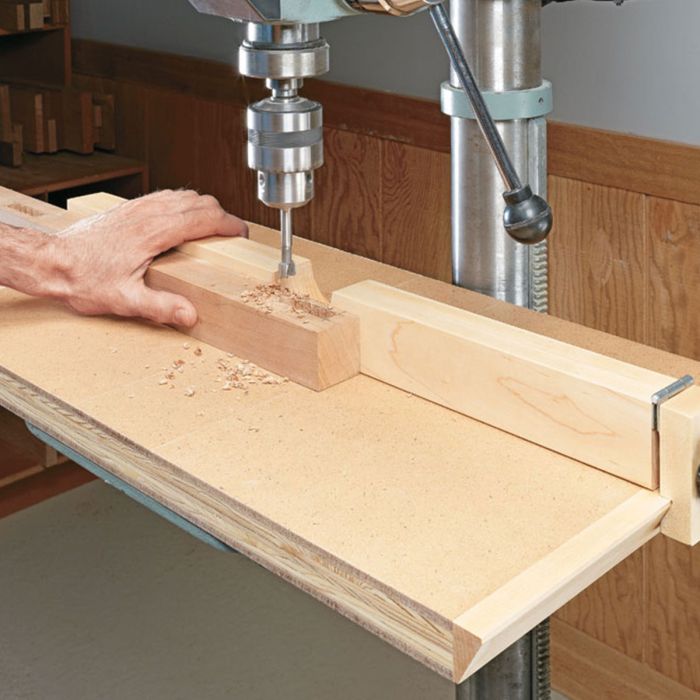
Credit: www.woodpeck.com
Frequently Asked Questions
What Materials Are Needed To Make A Wooden Drill Press?
You need hardwood, a drill chuck, screws, glue, and a few metal rods. These materials ensure durability and precise drilling.
How Long Does It Take To Build A Wooden Drill Press?
Building a wooden drill press typically takes 4 to 6 hours. This depends on your woodworking skills and tool availability.
Can A Wooden Drill Press Handle Heavy-duty Drilling?
A wooden drill press is best for light to medium tasks. For heavy-duty drilling, metal drill presses are more reliable.
How Do I Ensure Accuracy In My Wooden Drill Press?
Use precise measurements and secure all parts tightly. Align the drill chuck and base carefully to maintain accuracy.
Conclusion
Building a wooden drill press takes time and care. Follow each step with patience and focus. Use safe tools and protect your hands. This project helps you learn and create something useful. Your homemade drill press can handle small jobs well.
Keep practicing to improve your woodworking skills. Enjoy the process and the results you achieve. Simple materials can make a strong, handy tool. Try this project to add a new skill today.